What Is a Rear Wheel Drive Wheelchair? A Straightforward Guide
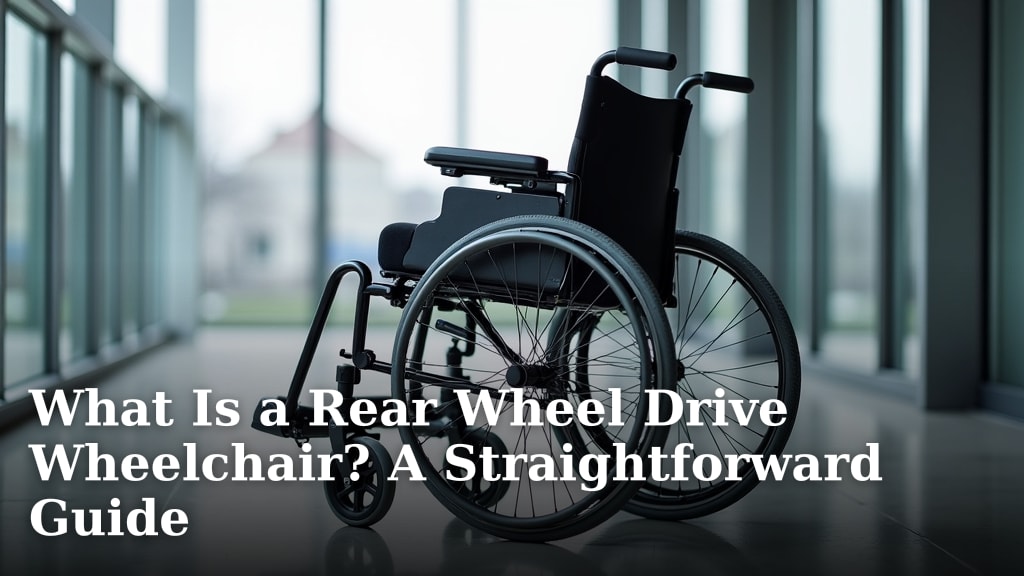
A rear wheel drive wheelchair is a type of power wheelchair where the drive wheels are located at the back. This design offers several advantages, particularly for users who need to navigate varied terrain or tight spaces. You’ll often find these models provide a smoother ride and better obstacle climbing. They are a popular choice for many users.
Understanding the drive wheel placement helps you choose the right chair for your needs. Front-wheel drive offers excellent maneuverability indoors. Mid-wheel drive provides a tight turning radius. Rear-wheel drive excels in outdoor use and stability. Many experts suggest rear-wheel drive for users needing to overcome ramps or uneven surfaces.
- Rear wheel drive means the back wheels power the chair.
- This design is great for outdoor terrain and stability.
- It often provides a smoother experience over bumps.
- It can be better for climbing curbs or ramps.
- Consider your typical environment when choosing.
Let’s walk through what makes a rear-wheel drive wheelchair unique and what you should know before making a choice. We’ll break down its features to help you decide if it’s the right fit for you.
“`htmlUnderstanding Rear Wheel Drive Power Chairs
So, what exactly is a rear wheel drive wheelchair? Simply put, it’s a power wheelchair where the main wheels that propel you forward are located at the back of the chair. Think of it like a car where the engine powers the rear wheels. This setup affects how the chair handles, turns, and maneuvers. We found that this design offers distinct advantages for certain types of users and environments.
How the Rear Wheel Drive Works
In a rear wheel drive (RWD) system, the motors are connected to the rear wheels. These wheels are the ones doing the pushing. The front wheels are typically casters, meaning they are smaller and designed to swivel. They follow along. This arrangement gives the chair a different feel compared to other drive types. It’s a tried-and-true setup that many find reliable.
Key Characteristics of RWD Wheelchairs
Rear wheel drive wheelchairs are known for a few key traits. They often provide a very stable ride. Because the drive wheels are at the back, they tend to track straighter. This can make them feel more planted, especially when you’re moving at higher speeds or on uneven surfaces. Many users report feeling more secure with this design. It’s a common choice for those who spend a lot of time outdoors.
Performance and Handling: What to Expect
When you’re considering a power wheelchair, how it performs is a big deal. The drive wheel placement plays a huge role in this. Let’s look at how a rear wheel drive chair stacks up.
Stability and Outdoor Navigation
One of the biggest wins for rear wheel drive is its excellent stability. Because the weight of the chair and the user is often balanced over the drive wheels, it gives you a very solid feel. This is particularly helpful when you’re going over bumps, cracks, or inclines. Research shows that this stability can translate to a smoother experience overall (National Institutes of Health).
Think about navigating a park path or a gravel driveway. The larger rear wheels on an RWD chair can often handle these surfaces better than smaller casters. They tend to “roll over” obstacles rather than getting stuck. Many experts suggest RWD for users who frequently travel outside their homes on varied terrain.
Turning Radius and Maneuverability
This is where RWD chairs differ most noticeably from other types. Because the drive wheels are at the back, the chair pivots around its center of gravity. This means the chair will “swing out” at the front when it turns. Your turning radius is generally larger than with mid-wheel drive or front-wheel drive chairs. For many, this isn’t a problem, especially if you have plenty of space to move around.
However, if you find yourself in very tight indoor spaces, like a small bathroom or a crowded kitchen, this larger turning radius might be something to consider. You’ll need to plan your turns a little more carefully. It’s like driving a bus versus a compact car; both get you there, but the handling feels different.
Climbing Obstacles and Inclines
Rear wheel drive chairs often have an advantage when it comes to climbing. Because the drive wheels are pushing from behind, they can be quite effective at powering over small obstacles like curbs or ramps. The drive wheels have more traction and leverage in these situations. This is a major benefit for users who need to overcome everyday barriers in their environment.
We found that many users appreciate the confidence that comes with knowing their chair can handle a ramp or a slight incline without much struggle. The way the weight is distributed also helps here. It keeps the drive wheels firmly planted, giving you that extra push when you need it most.
Comparing RWD to Other Drive Types
To really understand if a rear wheel drive wheelchair is right for you, it helps to see how it compares to the other main types: front-wheel drive (FWD) and mid-wheel drive (MWD).
Rear Wheel Drive (RWD) vs. Front Wheel Drive (FWD)
In a front-wheel drive chair, the drive wheels are at the front. This means the chair is pulled along. FWD chairs are known for their ability to “climb” obstacles like taller curbs. They also tend to have a tighter turning radius than RWD chairs, making them very nimble indoors. However, they can sometimes feel less stable on inclines and may be more prone to spinning out if you accelerate too quickly.
RWD, as we’ve discussed, offers better stability and straight-line tracking. It generally excels outdoors. FWD tends to be the champion for indoor maneuverability and handling higher curbs.
Rear Wheel Drive (RWD) vs. Mid Wheel Drive (MWD)
Mid-wheel drive chairs have their drive wheels located in the center of the chair. This is often considered the best of both worlds for many users. MWD chairs have an exceptionally tight turning radius because they pivot around their center. This makes them incredibly easy to maneuver in tight spaces. They also offer a good balance of stability and outdoor performance. Many find MWD to be a great all-around option.
While MWD is fantastic for tight turns, RWD often provides superior stability and a smoother ride over rougher terrain. The choice often comes down to whether your priority is indoor agility (MWD) or outdoor performance and stability (RWD).
A Quick Comparison Table
To make it even clearer, here’s a simple table comparing the general strengths of each drive type:
| Drive Type | Best For | Turning Radius | Obstacle Climbing | Outdoor Stability |
|---|---|---|---|---|
| Rear Wheel Drive (RWD) | Outdoor terrain, stability, straight-line travel | Larger, front end swings out | Good, effective pushing power | Excellent, very stable |
| Front Wheel Drive (FWD) | Tight indoor spaces, climbing higher obstacles | Tighter than RWD, pulls well | Very good, can climb higher curbs | Moderate, can be less stable on inclines |
| Mid Wheel Drive (MWD) | All-around use, tight indoor spaces, balanced performance | Tightest, pivots on the spot | Good, balanced performance | Good, balanced stability |
Who Benefits Most from Rear Wheel Drive?
Based on what we’ve found, certain individuals are likely to get the most out of a rear wheel drive wheelchair.
- Outdoor Enthusiasts: If you love spending time outdoors and often navigate varied surfaces like grass, gravel, or uneven paths, RWD is a strong contender.
- Users Needing Stability: For those who prioritize a stable, planted feel while driving, especially at higher speeds or on slopes, RWD offers this confidence.
- Ramp and Curb Navigators: If you regularly encounter ramps, driveways, or small curbs, the pushing power of the rear drive wheels can make these transitions smoother.
- Users Prioritizing Simplicity: The driving dynamics of RWD are straightforward and feel natural to many users, offering a predictable experience.

Factors to Consider Before You Decide
Choosing a power wheelchair is a personal decision. It’s about finding the best match for your lifestyle and needs. Here are a few final points to ponder about RWD chairs.
Your Daily Environment
Think honestly about where you spend most of your time. Are you mostly indoors in a well-maintained home? Or are you frequently out and about, tackling different terrains? Your typical environment is the biggest clue. If your life is predominantly outside your home, RWD often shines. If your world is mostly tight indoor spaces, you might lean towards FWD or MWD.
Your Driving Preferences
How do you like your chair to feel? Do you want it to feel very solid and grounded, even if it means a wider turn? Or do you prefer a chair that spins on a dime, even if it means planning your turns more carefully indoors? Your personal comfort and driving style matter a lot. Many users find the stability of RWD very reassuring.
Potential Downsides to Keep in Mind
While RWD chairs have many strengths, it’s good to be aware of their limitations. The larger turning radius can be a challenge in very confined spaces. Also, the front casters might get caught on certain obstacles if they are not large enough or if the approach is at an awkward angle. It’s always wise to test drive any chair you are considering.
Making Your Final Choice: A Checklist
To help you finalize your decision, ask yourself these questions:
- Do I spend a lot of time outdoors on varied surfaces?
- Is stability and a smooth ride over bumps important to me?
- Am I comfortable with a wider turning radius for better outdoor performance?
- Do I often need to navigate ramps or small inclines?
- How much time do I spend in very tight indoor spaces?
- Have I had the chance to test drive an RWD power chair?
Conclusion
You’ve learned that rear wheel drive (RWD) wheelchairs offer excellent stability and a smoother ride, especially for outdoor navigation. They push well over ramps and uneven surfaces, making them a solid choice if you frequently travel outside your home. While they have a larger turning radius than other types, their strengths in outdoor performance and overall comfort are clear.
Your next step is to consider your daily environment and driving preferences. Think about where you’ll use the chair most and if the benefits of RWD align with your needs. We encourage you to test drive an RWD model to feel the difference for yourself before making your final decision.
Frequently Asked Questions
Is a rear wheel drive wheelchair better for indoor use?
Rear wheel drive chairs generally offer better stability outdoors. For very tight indoor spaces, you might find front-wheel or mid-wheel drive chairs easier to maneuver due to their tighter turning radii. RWD chairs can navigate indoors, but require more planning for turns.
Will a rear wheel drive chair handle hills and ramps well?
Yes, RWD chairs often excel at climbing ramps and inclines. The rear drive wheels provide strong pushing power from behind, which helps them gain traction and move over these obstacles smoothly. This is one of their key advantages for varied terrain.
What is the turning radius of a rear wheel drive wheelchair like?
A rear wheel drive wheelchair typically has a larger turning radius. Because the back wheels are doing the driving, the chair pivots around its center, causing the front end to swing out during turns. You’ll need a bit more space to complete a turn compared to other drive types.
Can a rear wheel drive wheelchair get stuck easily on obstacles?
While RWD chairs are good at overcoming obstacles like small curbs, the front caster wheels can sometimes get caught if they hit an object at an awkward angle. Ensuring you approach obstacles straight on can help prevent them from getting stuck.
How does a rear wheel drive wheelchair compare to a mid-wheel drive?
Mid-wheel drive (MWD) chairs have the drive wheels in the center, offering the tightest turning radius and excellent indoor maneuverability. Rear wheel drive (RWD) chairs prioritize outdoor stability and a smoother ride over rough terrain. MWD is often considered a great all-around option, while RWD excels in specific outdoor conditions.