What Is a Lightweight Mobility Scooter? The Short Answer
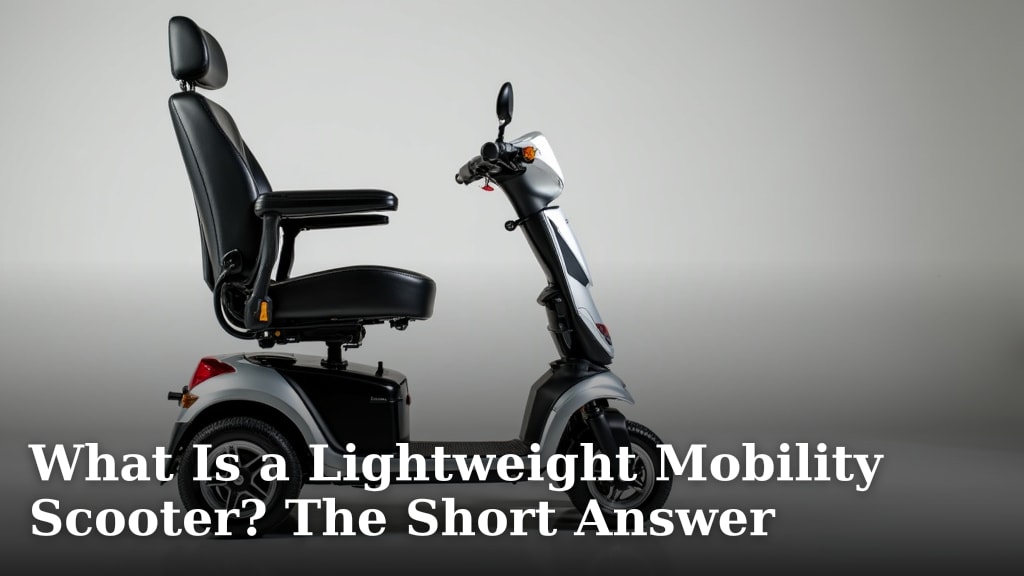
A lightweight mobility scooter is a type of personal electric vehicle designed for easier transport and storage. They typically weigh less than 50 pounds and can often be disassembled into smaller pieces. This makes them ideal for people who need mobility assistance but also want to travel or store their scooter easily.
Think of them as your portable independence booster. Unlike heavier models, these scooters offer a good balance of portability and functionality. Many users find them perfect for shopping trips, visiting friends, or simply getting around town without the hassle of a bulky device. You won’t need a ramp or lift for your car.
- They are designed for easy lifting.
- Many can be taken apart.
- They are great for travel and storage.
- They offer mobility without being too heavy.
Ready to see if a lightweight scooter is the right fit for you? Let’s dive into what makes them special and how they can help you get around.
Understanding Lightweight Mobility Scooters
So, what exactly sets a lightweight mobility scooter apart from its heavier counterparts? At its core, a lightweight scooter is designed with portability in mind. You’re looking at models that prioritize ease of transport and storage above all else. This often means they weigh less than 50 pounds, making them much more manageable for everyday users.
Key Features That Define “Lightweight”
When we talk about lightweight scooters, there are a few common characteristics you’ll find. Many of them are engineered to be disassembled into smaller, lighter pieces. This is a huge advantage if you need to fit it into your car trunk or carry it up a few steps.
Disassembly for Portability
Think about how a jigsaw puzzle comes apart. Many lightweight scooters work similarly. You can usually detach the seat, the battery pack, and sometimes even the tiller (the part with the handlebars) without needing any special tools. Each piece is light enough for most adults to lift and carry comfortably.
Weight Limits and Materials
The emphasis on weight means manufacturers often use lighter materials. You might see more aluminum alloys or advanced plastics instead of heavy steel. This doesn’t mean they are flimsy, though. They are still built to be sturdy and safe for daily use. However, because they are lighter, they often have slightly lower weight capacity limits compared to heavy-duty models. Always check the specifications for the maximum user weight.
Why Choose a Lightweight Scooter?
The primary appeal of a lightweight scooter is its convenience. If you enjoy being active and mobile, but sometimes struggle with a device that feels too cumbersome, this could be your perfect match. Let’s look at who benefits the most.
Travel and Transportation Made Easy
This is where lightweight scooters truly shine. Forget about needing a special ramp or a lift on your vehicle. Loading one into a standard car trunk is often as simple as picking up a large suitcase. This opens up opportunities for spontaneous trips and vacations.
Car Travel
Imagine visiting a new city or heading to a family gathering out of town. With a lightweight scooter, you can easily transport it in your car. You won’t need to arrange for specialized transport. This means more freedom to go where you want, when you want.
Public Transportation Considerations
While not all lightweight scooters are designed for use on buses or trains, some smaller models might be manageable. Always check the specific regulations of the transit system you plan to use. Some may have size or weight restrictions for mobility devices. The portability of a lightweight scooter at least makes it a more viable option to consider.
Storage Solutions
Where will you keep your scooter when you’re not using it? Lightweight models are a dream for storage. Their compact nature means they don’t take up much space. This is great for people living in apartments, smaller homes, or even those who just want to keep their living area tidy.
Compact Footprint
Unlike bulky traditional scooters, these can often fit into a corner of a room, a small closet, or even under a sturdy table. If space is a concern in your home, a lightweight scooter offers a practical solution without sacrificing your mobility needs.
Who Benefits Most from a Lightweight Scooter?
It’s not just about being able to lift it. Several factors make these scooters a great choice for specific individuals. Understanding these can help you decide if this is the right type of mobility aid for your lifestyle.
Individuals with Mild to Moderate Mobility Challenges
Lightweight scooters are typically best suited for those who need assistance getting around but don’t require a heavy-duty scooter. They offer stability and support for users who can still manage to get on and off the scooter independently. You should be able to stand for a short period to transfer safely. Many guidelines suggest this for any scooter use (CDC).
Active Seniors and Travelers
If you’re an active senior who loves to stay engaged, travel, and visit friends, a lightweight scooter can be a fantastic companion. It provides the freedom to explore without the worry of a heavy device. It’s about maintaining your independence and your social life.
People Living in Apartments or Smaller Homes
As mentioned, storage is a major benefit. If you live in a place where space is limited, a scooter that can be easily stored away is a huge plus. It helps maintain a clutter-free living environment.
What to Consider When Buying
When you’re ready to look at specific models, keep these points in mind. They’ll help you narrow down your choices and find the best fit for your needs.
Weight Capacity and Your Needs
Always check the maximum weight capacity of the scooter. Make sure it comfortably exceeds your own weight and any items you might carry. Exceeding this limit can be unsafe and damage the scooter.
Battery Range and Charging
Understand how far you typically travel on a single outing. Lightweight scooters may have smaller batteries, which can mean a shorter range. You’ll also want to know how long it takes to recharge. Will it be ready for your next trip?
Comfort and Ergonomics
Even lightweight scooters need to be comfortable for you. Look at the seat padding, the steering column adjustability, and the overall design. You’ll be using this device regularly, so comfort is key.
Ease of Disassembly and Reassembly
If you plan to take it apart frequently, practice this process. Some models are easier to break down and put back together than others. You want a system that isn’t frustrating or physically demanding.
Tire Type and Maneuverability
Most lightweight scooters use solid, non-pneumatic tires. This means no flat tires! However, consider the terrain you’ll be navigating. Will these tires handle bumps and inclines smoothly enough for you?
Your Local Environment
Think about where you’ll be using the scooter most. Will it be mostly indoors on smooth surfaces? Or will you be going over varied outdoor terrain like sidewalks, grass, or gravel? This will influence the type of wheels and suspension you might need.
Here’s a quick checklist to help you remember the essentials:
- Confirm the total weight of the scooter and its disassembled parts.
- Check the maximum user weight limit.
- Verify the battery range for your typical trips.
- Assess how easy it is to disassemble and reassemble.
- Read reviews on comfort and durability.
- Consider the warranty and customer support.
Conclusion
A lightweight mobility scooter offers a fantastic way to regain independence without the hassle of a heavy device. You’ve learned they’re designed for easy lifting, often disassemble into manageable parts, and are perfect for travel and storage. They balance portability with reliable mobility assistance for your daily life. If you’re looking for a way to stay active and mobile, especially for trips and smaller living spaces, a lightweight scooter might be your ideal solution. Take the next step by assessing your personal travel needs and local environment to find the model that fits you best.
Frequently Asked Questions
How do lightweight mobility scooters differ from standard ones?
Lightweight scooters prioritize portability. They weigh under 50 pounds and often break down into smaller pieces for easy transport and storage. Standard scooters are typically heavier and may not be designed for disassembly.
Can a lightweight scooter fit into a car trunk?
Yes, most lightweight scooters are designed to fit into the trunk of a standard car. Their ability to disassemble into smaller, lighter components makes loading and unloading much simpler for most users.
Are lightweight scooters sturdy enough for daily use?
While they use lighter materials, lightweight scooters are built to be sturdy and safe for everyday use. They are engineered for stability and support, but always check the specific weight capacity to ensure it meets your needs.
What is the typical battery range of a lightweight scooter?
The battery range can vary, but lightweight scooters may have a shorter range compared to heavier models due to smaller battery packs. It’s important to check the specifications and consider how far you usually travel on a single charge.
Do I need special equipment to transport a lightweight scooter?
No, you generally do not need special equipment like ramps or lifts for a lightweight scooter. Their design focuses on being easily lifted and placed into a standard vehicle by yourself or with minimal assistance.