What Is a Heavy Duty Mobility Scooter? What to Expect
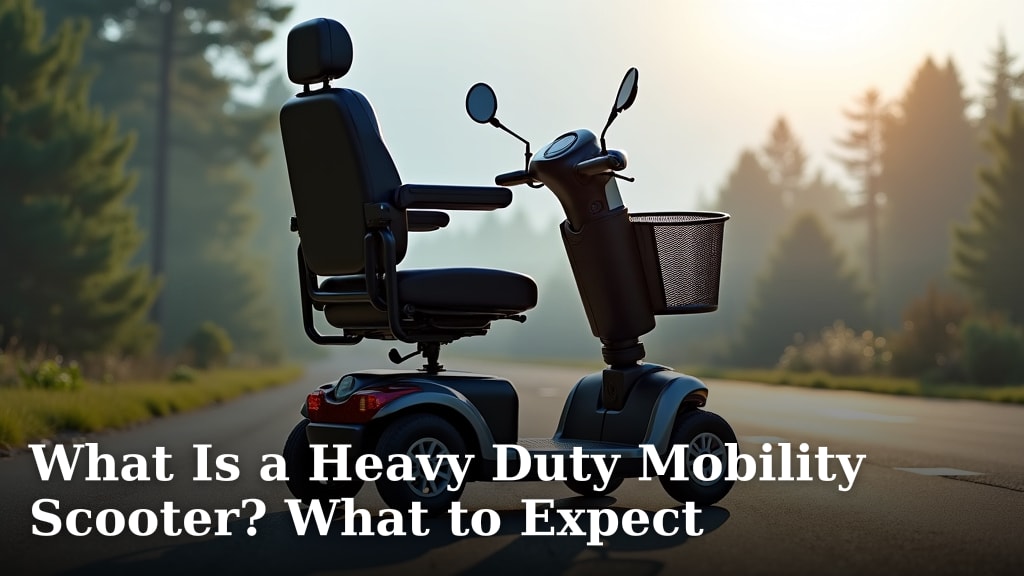
A heavy duty mobility scooter is a sturdier, more powerful scooter designed to carry more weight and handle tougher terrain. Think of it as the workhorse of personal mobility devices. They offer a reliable way to travel longer distances or for individuals needing extra support.
When considering a heavy duty model, you’re looking at features like a higher weight capacity, larger wheels for better grip, and often a more robust suspension system. These scooters are built for durability and comfort, allowing you to navigate various environments with confidence. Many users find them essential for maintaining independence.
- What it is: A robust scooter for heavier users and rougher paths.
- Key Features: High weight limits, durable build, better suspension.
- Best for: Longer trips, uneven surfaces, those needing more support.
- Expect: Reliable performance and increased travel freedom.
- Consider: Size and storage needs before purchasing.
Ready to learn more? Below, we’ll break down what makes a mobility scooter “heavy duty” and what you can realistically expect when choosing one for your needs.
Understanding the Heavy Duty Mobility Scooter
When you’re looking at mobility scooters, “heavy duty” isn’t just a label. It’s a promise of extra strength and capacity. These models are designed to be the workhorses of personal transport. They offer a reliable way to travel longer distances or for individuals needing more robust support.
Think of it like choosing a sturdy truck over a compact car. You need something that can handle a bit more. Heavy duty scooters are built for durability, comfort, and a wider range of uses than standard models. They can help you maintain independence when everyday travel feels like a challenge.
What Sets a Heavy Duty Scooter Apart?
The key differences lie in their construction and capabilities. You’ll find they have features specifically designed for enhanced performance and user support. Let’s break down the core components that make a scooter “heavy duty.”
Weight Capacity: The Big Difference
The most obvious distinction is their weight capacity. Standard scooters might top out around 250-300 pounds. Heavy duty models, however, can often support 350 pounds, 400 pounds, or even more. This higher limit is crucial for many users.
This increased capacity means they can comfortably and safely carry heavier individuals. It also accounts for carrying groceries, a companion (on some models), or other necessary items. It’s about providing a secure and dependable ride for everyone.
Robust Construction and Durability
Beyond just weight, the entire build of a heavy duty scooter is more substantial. The frame is typically made from stronger materials, giving it greater stability. You’ll also notice larger, thicker tires and a more advanced suspension system.
These scooters are engineered to withstand more stress. This means they are less likely to falter on varied surfaces. They are built for long-term reliability and to keep you moving without worry.
Enhanced Power and Performance
To move that extra weight and handle tougher conditions, heavy duty scooters come with more powerful motors. You’ll often find they have a higher top speed and better acceleration than lighter models. This translates to more effortless travel.
The batteries are also usually larger and more robust. This provides a longer travel range on a single charge. You can expect to cover more ground before needing to plug in. It means more freedom to go where you need to go.
Tackling Different Terrains
One of the biggest advantages is their ability to handle surfaces that might stop a standard scooter. The larger, often pneumatic (air-filled) tires offer better traction and shock absorption. This is a game-changer for navigating uneven sidewalks or gravel paths.
The advanced suspension system works in tandem with the tires. It smooths out bumps and vibrations. This makes for a much more comfortable ride, even when the path isn’t perfectly flat. Many users find this feature significantly improves their ability to travel outdoors.
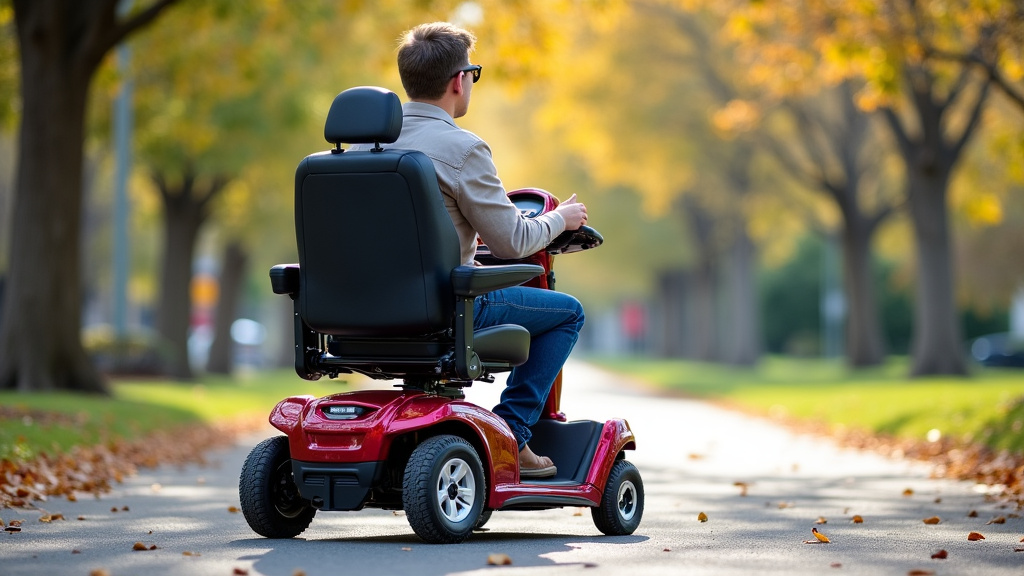
What to Expect from a Heavy Duty Mobility Scooter
Now that you know what makes a scooter heavy duty, let’s talk about what your experience might be like. Owning one of these devices can open up new possibilities for your daily life. Here’s what you can realistically anticipate.
Increased Travel Freedom and Independence
Perhaps the most significant benefit is the restored sense of independence. Heavy duty scooters allow you to travel further from home for longer periods. You can run errands, visit friends, or enjoy a day out without constantly worrying about battery life or terrain limitations.
This ability to get around more easily can have a positive impact on your social life and overall well-being. It means less reliance on others for transportation. You regain control over your mobility and your schedule. It’s about making your world a little bit bigger again.
Comfort Over Longer Distances
These scooters are designed with comfort in mind, especially for extended use. The seats are often more generously padded and may offer more adjustments, like swivel capabilities or adjustable armrests. The superior suspension also plays a big role here.
You’ll likely experience less fatigue and fewer aches after a long journey. The smoother ride minimizes jarring impacts. This makes longer outings much more enjoyable and less physically taxing. It’s built to support you comfortably for hours.
Durability and Reliability
When you invest in a heavy duty model, you’re investing in a device built to last. They are constructed with high-quality, robust materials. This means fewer worries about breakdowns or the need for frequent repairs.
You can expect consistent performance day in and day out. These scooters are designed to be dependable companions for your mobility needs. They are made to keep up with your active lifestyle, whatever that may look like.
Size and Maneuverability Considerations
It’s important to be realistic about the size of these scooters. Because they are built sturdier, they tend to be larger and heavier than their lighter counterparts. This impacts how they can be stored and transported.
While they are designed to be easy to operate, their larger turning radius might make them a bit less nimble in very tight indoor spaces. You’ll want to consider your typical environment. Will you be using it mostly outdoors, or in tighter indoor settings?
Here’s a quick checklist to help you think about your needs:
- Do you need to carry more than 300 pounds?
- Do you frequently travel over uneven or outdoor terrain?
- Are longer trips or daily commutes a priority?
- Is comfort over extended periods essential for you?
- Do you have adequate storage space for a larger scooter?
- Is ease of transport in a vehicle a primary concern?
Storage and Transport Challenges
Due to their robust construction, heavy duty scooters are not typically lightweight. They often weigh 200-300 pounds or more. This means they are not easily lifted into a car trunk. Most users find they require a vehicle with a ramp or a lift system for transport.
If you anticipate needing to take your scooter in and out of vehicles frequently, you might need to look into specialized carriers. Alternatively, if your travel is primarily local and you don’t need to transport it often, this might be less of a concern. It’s a trade-off for increased power and durability.
Learning Curve and Operation
Operating a heavy duty mobility scooter is generally straightforward. Most feature a tiller (steering column) with simple controls. You’ll typically find a throttle lever or dial to control speed and a key switch to power it on.
While the basic operation is easy, mastering tighter turns or navigating tricky obstacles might take a little practice. We found that most users adapt quickly to their new scooter. Taking advantage of any available demonstrations or practice sessions can be very helpful. Getting comfortable with the controls ensures you can use your scooter with confidence and safety.
Maintenance Expectations
Like any vehicle, mobility scooters require some basic maintenance to keep them running smoothly. For heavy duty models, this often involves checking tire pressure regularly, especially if they are air-filled. You’ll also want to keep the battery terminals clean and ensure the charging system is working correctly.
It’s also wise to perform periodic visual inspections of the frame and controls. Many manufacturers recommend professional servicing annually. This helps catch potential issues before they become major problems. Following the manufacturer’s guidelines will help ensure longevity and optimal performance of your scooter. Remember to keep your owner’s manual handy for specific care instructions.
Conclusion
You’ve learned that a heavy duty mobility scooter is built for strength, endurance, and broader capabilities. They offer a reliable way to travel longer distances over varied terrain, providing you with increased independence. While they are larger and require some thought for transport, their comfort and durability make them an excellent choice for many. If you need a scooter that can handle more weight and tougher paths, a heavy duty model is worth serious consideration. Take the time to assess your daily travel needs and explore specific models that fit your lifestyle and storage options.
Frequently Asked Questions
Are heavy duty mobility scooters good for indoor use?
Heavy duty scooters can be used indoors, but their larger size might make them less maneuverable in tight spaces. While they offer great stability, you might find them best suited for larger indoor areas like shopping malls or spacious homes. Always check the turning radius and dimensions against your typical indoor environment.
How much more do heavy duty mobility scooters typically cost?
Heavy duty mobility scooters generally cost more than standard models due to their stronger construction, more powerful motors, and larger batteries. You can expect prices to range from a few hundred dollars higher to potentially double the cost of a lightweight scooter. Research specific brands and features for accurate pricing.
What kind of maintenance do these scooters usually need?
Basic maintenance for heavy duty scooters includes checking tire pressure, cleaning battery terminals, and ensuring the charger works correctly. Visual inspections of the frame and controls are also recommended. Many manufacturers suggest annual professional servicing to maintain optimal performance and catch potential issues early.
Can I take a heavy duty mobility scooter on public transport?
Taking a heavy duty scooter on public transport can be challenging due to their weight and size. While some buses or trains may accommodate them, it’s best to check with the specific transit provider beforehand. You’ll need to confirm their policies on mobility device dimensions and weight limits.
How long do the batteries in a heavy duty scooter usually last on a single charge?
Battery life varies widely depending on the specific model, battery size, terrain, and user weight. However, heavy duty scooters are designed for longer travel ranges, often offering 20-30 miles or more on a full charge. Always refer to the manufacturer’s specifications for the most accurate range estimates.