What Is a Mid Wheel Drive Wheelchair? The Full Picture
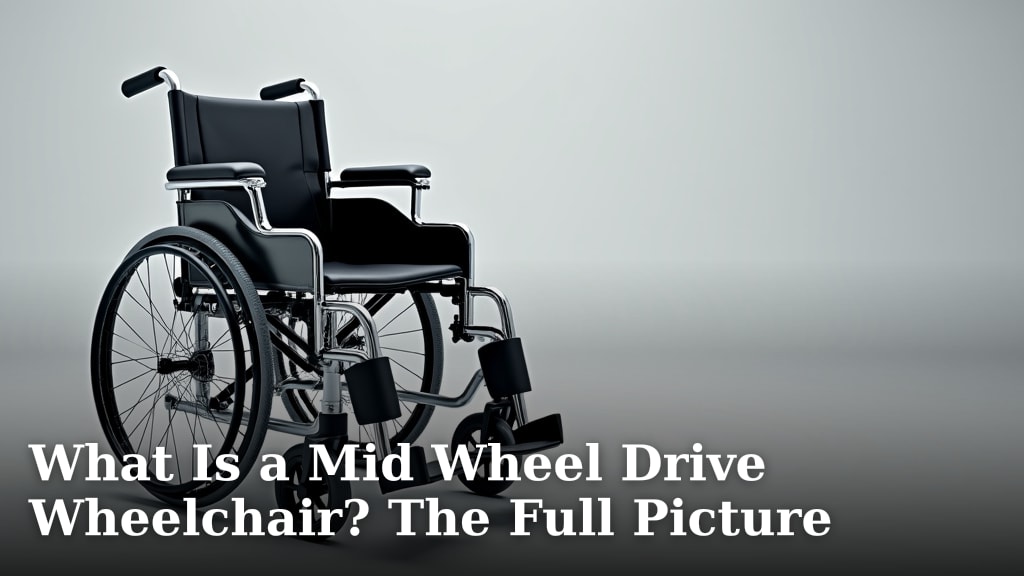
A mid wheel drive wheelchair is a power wheelchair with the drive wheels placed directly under your body’s center of gravity. This design gives you a tight turning radius and better control in small spaces like hallways and kitchens. If you’ve ever struggled to turn a power chair in a narrow doorway, this type might feel like a breath of fresh air.
Mid wheel drive chairs balance maneuverability and stability better than many other designs. The large center wheels carry most of the weight, while smaller front and rear casters keep you from tipping. Many experts say this setup works well for people who move between indoor and outdoor spaces daily. It’s a smart middle ground if you want versatility without giving up control.
- A mid wheel drive wheelchair places its drive wheels under the user’s center of gravity
- Offers the tightest turning radius of any power wheelchair drive type
- Ideal for tight indoor spaces like hallways, kitchens, and store aisles
- Front and rear casters add stability and prevent tipping
- Popular choice for everyday use both indoors and outdoors
Below, we break down everything you need to know about mid wheel drive wheelchairs — how they work, who they’re best for, and what to look for when shopping. Let’s walk through it together, one step at a time.
Understanding the Mid Wheel Drive Design
A mid wheel drive wheelchair gets its name from the position of its main wheels. The two large, powered wheels are located directly beneath your center of gravity, roughly in line with your hips. Think of it like the fulcrum in a seesaw. This central pivot point is what gives the chair its signature agility.
The design includes smaller wheels at the front and back called casters. They don’t have power. Their job is to provide balance and support. When you turn the chair, the big middle wheels act as the pivot. The front and rear casters simply follow along, preventing the chair from tipping over. It’s a smart and stable system.
Why the Turning Radius Matters So Much
The biggest advantage people talk about is the tight turning radius. In simple terms, it means the chair can turn in a very small circle. Many models can spin almost within their own length. This is a game-changer inside a home.
Picture navigating a narrow hallway or a small bathroom. A standard wheelchair might require a multi-point turn. A mid wheel drive chair often handles it in one smooth motion. This reduces frustration and gives you more independence in your own space.
Indoor Navigation: A Closer Look
The Hallway and Kitchen Test
Most homes weren’t built with wide wheelchairs in mind. Doorways, hallways, and kitchen counters can feel like obstacle courses. We found that users consistently report the most benefit in these tight quarters. The chair’s ability to “spin on a dime” helps you reach cabinets, use appliances, and move between rooms without stress.
This maneuverability isn’t just convenient. According to the National Institute on Disability, Independent Living, and Rehabilitation Research (NIDILRR), reducing physical barriers in the home is a key factor in maintaining independent living. A chair that navigates your actual home environment well directly supports this goal.
How Does It Compare to Other Drive Types?
There are three main power wheelchair drive types. Understanding the difference helps you know what you’re getting. The key is the position of the drive wheels.
| Drive Type | Drive Wheel Position | Best For | Main Trade-off |
|---|---|---|---|
| Mid Wheel Drive | Directly under the user | Tight indoor spaces, versatile indoor/outdoor use | Can
ConclusionA mid wheel drive wheelchair centers its power directly under you, offering unmatched agility in tight spaces. Its design gives you the tightest turning radius available, making indoor navigation in your home much easier. The front and rear casters provide excellent stability, creating a reliable chair for both inside and outside. Your next step should be to talk to a mobility specialist. They can help you test a mid wheel drive model in your actual home environment to see if it’s the right fit for your daily life. Frequently Asked QuestionsCan a mid wheel drive wheelchair handle rough outdoor terrain like gravel or grass?Mid wheel drive chairs perform well on paved surfaces and firm ground like sidewalks and short grass. For rougher terrain like loose gravel or thick mud, their performance can be limited. The central drive wheels might get stuck, and stability can decrease. It’s always best to discuss your typical outdoor routes with a dealer. What maintenance does a mid wheel drive wheelchair typically require?Regular maintenance includes keeping the tires properly inflated and checking the front and rear casters for debris or wear. You should also keep the drive wheels clean and free of hair or thread that can wrap around the axles. A qualified technician should perform periodic checks of the electronics and motors. Are mid wheel drive chairs good for people who need significant leg support or postural control?Yes, they can be. The stable base of a mid wheel drive chair makes it an excellent platform for custom seating and positioning systems. You can often add specialized leg rests, elevating options, and complex back supports to meet your specific postural needs. How do I know if my home is a good fit for this type of wheelchair?The best way is to measure your narrowest pathways and doorways. If your hallways are at least 30 inches wide, a mid wheel drive chair will likely navigate them well. We strongly recommend having a home evaluation with a professional to test a chair in your space before purchasing. Does insurance or Medicare typically cover a mid wheel drive wheelchair?Coverage depends on your specific insurance plan and medical necessity. Medicare often covers power wheelchairs if prescribed by a doctor for use in your home. A mid wheel drive model may be covered if it meets the clinical requirements for your mobility limitations. Your provider will help with the paperwork. |