What Is a Captain Seat Wheelchair? A Helpful Guide
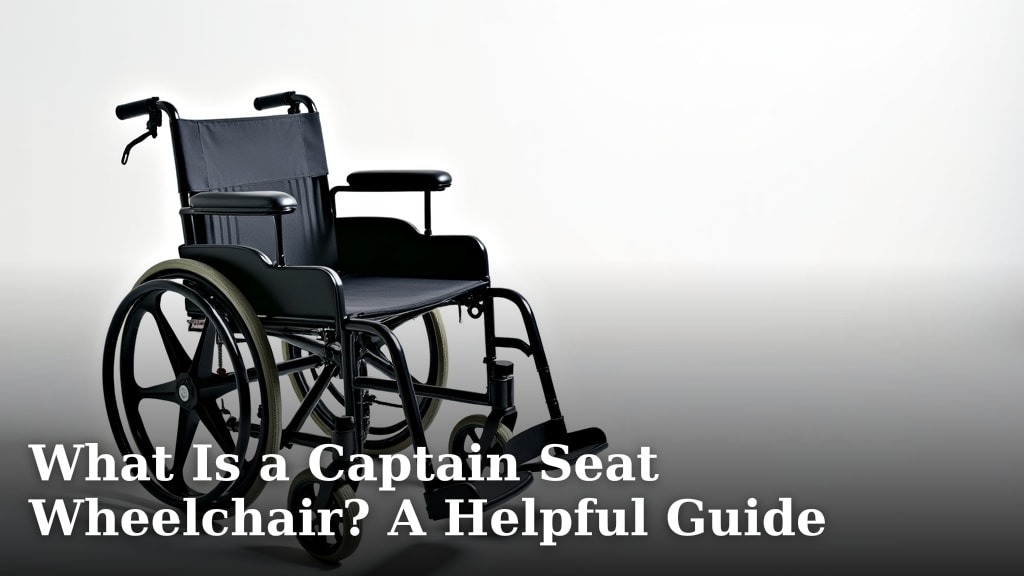
A captain seat wheelchair is a power wheelchair featuring a high-back, supportive seat that resembles the chair in a boat’s cockpit. It provides a comfortable, upright position and often includes features like a headrest and armrests for extended use.
We found that this design is especially popular for users who spend many hours a day in their chair. The style focuses on comfort and postural support, with many models offering adjustable seating and tilt-in-space functions.
- A captain seat wheelchair is a type of power wheelchair with a high-back, car-like seat.
- Key features include comfort, head and neck support, and often more padding.
- Ideal for individuals needing full-time use and superior comfort.
- They are known for their durability and customizable options.
- Maintenance involves regular cleaning and battery care.
Below, we break down everything you need to know about choosing and using a captain seat wheelchair, from the real-world benefits to important considerations. Let’s walk through exactly how this chair can fit your specific needs.
The Captain Seat Wheelchair Explained
A captain seat wheelchair is a specialized power wheelchair designed for maximum comfort and support during long periods of use. Think of it as the difference between a car’s bucket seat and a plush, high-backed executive chair. This design prioritizes your posture and overall well-being, especially if you spend most of your day seated.
Key Features That Define the Design
What truly sets this wheelchair apart is its seat construction. It’s not just about being bigger; it’s about being better for your body. Every feature is engineered to provide stability and reduce fatigue over many hours.
The High-Back, Supportive Structure
The most obvious feature is the tall, high-back seat. This isn’t just for show. It provides crucial support for your entire spine, from your lower back up to your neck. Many models include an integrated or adjustable headrest, which helps maintain proper head alignment and reduces strain. According to physical therapy principles, maintaining an upright, supported posture can significantly decrease the risk of discomfort and secondary complications from prolonged sitting.
Comfort-Oriented Seating
The padding is substantial. Captain seats often use high-density foam or advanced cushioning to distribute your weight evenly. This helps prevent pressure points, which is a serious concern for anyone spending extended time in their chair. Some models even offer pressure-relieving air or gel inserts, a feature we found frequently recommended by occupational therapists.
Who Benefits Most from a Captain Seat Design?
Not every wheelchair user needs or wants this style. It’s engineered for specific needs and lifestyles. If your daily routine involves being in your chair for 8 hours or more, this design is worth a serious look.
Full-Time Power Wheelchair Users
If a power wheelchair is your primary means of mobility throughout the day, a captain seat is often the best choice. The superior comfort and support help manage fatigue, allowing you to stay more active and engaged in your daily tasks and social activities.
Individuals with Specific Postural Needs
Users who require additional support to maintain an upright and aligned position benefit greatly. The structured back and headrest provide stability that standard, lower-back seats cannot match. This is particularly relevant for individuals with conditions affecting trunk control or muscle tone.
Core Benefits for Daily Life and Health
Choosing this design is an investment in your daily comfort and long-term health. The advantages extend far beyond just “feeling nice.” They directly impact your quality of life.
Enhanced Comfort and Reduced Fatigue
Let’s be honest—being uncomfortable is exhausting. A well-designed captain seat reduces the physical effort required to sit upright. You’ll likely feel less tired at the end of the day, preserving energy for the things you love. Many users report being able to participate in activities for longer periods without discomfort.
Improved Posture and Spinal Alignment
Good posture isn’t just about appearance. It’s essential for proper breathing, digestion, and circulation. The supportive frame of a captain seat encourages a neutral spine position. Over time, this can help prevent the development of painful secondary issues like chronic back pain or shoulder strain.
Comparing Captain Seats to Other Wheelchair Types
It helps to see how this stacks up against other common options. The right choice always depends on your unique needs, activity level, and how you use your chair. For a comparison of drive types, see our guide to front wheel drive wheelchairs.
| Feature | Captain Seat Wheelchair | Standard Power Wheelchair | Manual Wheelchair |
|---|---|---|---|
| Primary Use | Extended, all-day use | Variable, often part-time use | Primarily for propulsion by user or caregiver |
| Seat Support | High-back with headrest | Lower back support | Basic sling or cushion seat |
| Comfort Focus | Maximum padding and adjustability | Functional comfort | Often minimal; depends on add-ons |
| Typical Weight | Heavier due to robust frame | Moderate | Light to moderate |

Advanced Features You Might Find
Beyond the basics, many captain seat wheelchairs offer sophisticated functions that cater to complex needs. These features often require a prescription and professional fitting.
Tilt and Recline Functions
Tilt-in-space allows the entire seat to angle backward while maintaining the seat-to-back angle. This is a critical function for pressure relief and repositioning. Recline changes the angle between the seat and backrest, allowing for a more laid-back position. Both features are invaluable for managing circulation and providing variety throughout the day.
Adjustability and Customization
A proper fit is everything. Key adjustments include seat depth, seat width, and the position of the headrest and armrests. We found that models offering a wide range of adjustments tend to accommodate a broader spectrum of body types and needs effectively. Customizable laterals and胸托 (thoracic supports) can also be added for trunk stability.
Important Considerations Before You Choose
This is a major purchase. Taking a few factors into account beforehand ensures you get the right chair and have a positive experience.
Space and Maneuverability
These chairs are often larger and heavier than standard models. Measure your home’s doorways, hallways, and tight spaces. Consider how you will navigate your most frequent environments. A slightly tighter turning radius can make a big difference in everyday living. For details on turning radius, see our guide to mid wheel drive wheelchairs.
Weight and Transport
The robust build that provides comfort also adds weight. Think about how you will transport the wheelchair. Does it disassemble? What is the total weight of each piece? This is a practical detail that can cause headaches later if overlooked.
Your Selection Checklist: Finding the Right Fit
Use this practical checklist to guide your research and discussions with your supplier. It covers the essentials for a successful choice.
- Professional Evaluation: Have you had an assessment by a mobility specialist or therapist?
- Measurements Confirmed: Are your exact seat width, depth, and height measured and documented?
- Needs Assessment: Have you clearly defined your daily use duration and environment needs?
- Feature Priority: Have you listed your must-have vs. nice-to-have features (e.g., tilt, specific armrests)?
- Test Drive: Have you had a chance to sit in and try different models before deciding?
- Warranty Reviewed: Do you understand the coverage for the frame, electronics, and battery?
Maintenance for Longevity and Safety
Protecting your investment involves simple, regular care. A well-maintained chair is a safe and reliable one. Following the manufacturer’s manual is always your best guide.
Routine Cleaning and Inspection
Wipe down the upholstery, frame, and controls regularly with appropriate cleaners. Check for any loose bolts, tears in the fabric, or issues with the wheels and tires. Listen for unusual sounds during operation and report them to your dealer promptly.
Battery and Electrical Care
For power chairs, battery health is paramount. Follow charging instructions carefully—overcharging can damage them. Keep the batteries charged according to the manufacturer’s recommendations, even when the chair isn’t in regular use. The National Institute on Aging notes that proper battery maintenance is essential for the reliable performance of electric mobility devices.
Conclusion
A captain seat wheelchair is a serious commitment to your comfort and health. It’s designed for those long days when you need unwavering support, pressure relief, and a chair that works as hard as you do. From the high-back frame to the optional tilt functions, every feature serves a practical purpose.
Your next step should be clear. Schedule a professional evaluation with a mobility specialist. They can measure you, understand your specific needs, and let you try different models. This ensures you invest in a chair that truly fits your life, not just one that looks right on paper.
Frequently Asked Questions
Does insurance or Medicare cover a captain seat wheelchair?
Often, yes, but it depends on medical necessity. You will typically need a prescription and documentation from a doctor or therapist proving the advanced seating features are required for your condition. We recommend contacting your insurance provider with a copy of your prescription to understand your specific coverage.
Can I use a captain seat wheelchair if I travel often?
It depends on your travel style. While robust, many models are not designed to be easily folded or fit in a car trunk. You should check the total weight and whether the chair disassembles. For air travel, always contact the airline well in advance to discuss their specific requirements for battery-powered mobility devices.
What is the typical weight limit for a captain seat wheelchair?
Weight capacities vary significantly by manufacturer and model, but many are built to support users from 250 to 400 pounds or more. Always check the specific product specifications. The chair’s frame material and overall design are what determine its safe working load.
How is a captain seat different from a standard power wheelchair seat?
The primary difference is in the seat structure. A captain seat has a tall, integrated back and headrest for full spinal support, like a car seat. A standard power wheelchair seat typically has a lower backrest and is more modular. Captain seats prioritize all-day comfort and posture over lighter weight or compact size.
Do captain seat wheelchairs need a lot of special maintenance?
Maintenance is straightforward but important. Regular cleaning of the upholstery and frame prevents grime buildup. The most critical task is proper battery care—following charging instructions to extend battery life. We always suggest keeping a regular service schedule with your mobility equipment dealer.