What Is a Portable Electric Wheelchair? A Beginner’s Guide
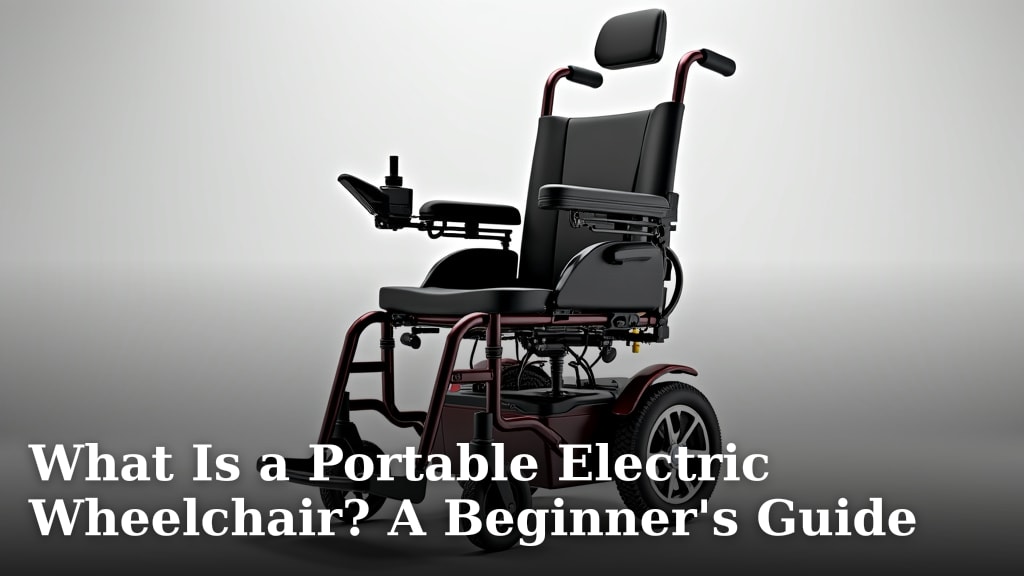
A portable electric wheelchair is a mobility device that runs on a rechargeable battery. It’s designed to be lightweight and often foldable. This makes it easy to take with you when you travel or run errands. You can use it indoors and outdoors.
These chairs offer independence for people who have trouble walking long distances. They can be a great help for those with certain physical limitations. Think of it as your personal, on-demand ride for getting around. It’s different from a heavy, traditional power wheelchair.
- It’s a battery-powered mobility aid.
- It’s designed to be lightweight and foldable for travel.
- Offers independence for those with mobility challenges.
- Can be used both indoors and outdoors.
- A great alternative to heavier power chairs.
Ready to learn more about these convenient mobility solutions? Below, we’ll walk you through exactly what a portable electric wheelchair is and how it can help you.
Understanding Your Portable Electric Wheelchair Options
A portable electric wheelchair is a fantastic mobility tool. It’s designed to make your life easier. Think of it as a personal chauffeur that fits in your car trunk. It runs on a rechargeable battery. This means you have power whenever you need it. These chairs are also built to be lightweight. Many can even fold up. This makes them perfect for people on the go.
What Exactly Makes a Wheelchair “Portable”?
The key word here is portability. These chairs are not like the heavy, permanent power wheelchairs you might see in hospitals. Portable models are made with lighter materials. They often feature a quick-fold design. Some even disassemble into smaller pieces. This makes it much simpler to transport them. You can take them on vacations or just to the grocery store.
How Does a Portable Electric Wheelchair Work?
At its core, a portable electric wheelchair is powered by a rechargeable battery. This battery sends energy to the motors that drive the wheels. You control the chair using a joystick or a similar control panel. Most models are designed for intuitive operation. You can steer, go forward, and reverse with simple movements. Many chairs have a good range on a single charge. This lets you travel a decent distance before needing to plug in.
The Battery: Your Power Source
The battery is the heart of your electric wheelchair. Most portable models use lithium-ion batteries. These are known for being lighter and holding a charge well. You’ll want to check the battery life before purchasing. This tells you how far you can go. Charging is usually straightforward. You can plug the battery in at home. Some batteries are removable for easier charging. Always follow the manufacturer’s instructions for battery care.
The Controls: Your Steering Wheel
The control system is typically a joystick. It’s usually located on one of the armrests. You move the joystick in the direction you want to go. Pushing it forward makes the chair move forward. Moving it left or right steers the chair. Most joysticks have adjustable sensitivity. This lets you fine-tune how responsive the chair is. It’s designed to be easy to learn.
Who Can Benefit from a Portable Electric Wheelchair?
These chairs are a boon for many people. If you find walking long distances tiring or difficult, this could be for you. It offers a way to maintain your independence. You don’t have to rely on others as much for errands or outings.
Addressing Mobility Challenges
Many conditions can affect mobility. Arthritis, back pain, or conditions like Multiple Sclerosis can make walking a challenge. Even recovering from surgery can require temporary mobility assistance. A portable electric wheelchair gives you the freedom to move around your home and community. It can reduce fatigue and pain associated with walking.
Travel and Leisure
Are you someone who loves to travel? Portable electric wheelchairs can open up new possibilities. Many models are designed to fit easily into car trunks. Some can even be taken on planes or trains. This means you can explore new places without worrying about getting around. Imagine visiting a museum or a park with ease. You can enjoy activities you might have avoided before.
Taking It On the Road (and Air!)
When considering a chair for travel, look for specific features. Weight is a big one. Lighter chairs are easier to lift and load. How it folds is also important. Some fold flat, others like an accordion. Airline regulations for batteries can vary. It’s wise to check with your airline beforehand. Many sources suggest removable batteries are often easier for air travel (FAA guidelines).
Independence and Daily Living
Your home should be a place of comfort and ease. If moving around your house is difficult, a portable electric wheelchair can help. You can navigate hallways, kitchens, and living rooms easily. This means you can remain in your own home for longer. It helps you maintain your daily routines. Tasks like getting to the mailbox or tending to a garden become more manageable.
Key Features to Consider in a Portable Electric Wheelchair
When you’re looking for the right portable electric wheelchair, several factors stand out. You want a chair that meets your specific needs. Think about how you’ll use it most often. This will guide your choices.
Weight and Foldability
These are perhaps the most important aspects of portability. You’ll want to know the total weight of the chair. Also, consider how much it weighs without the battery. This is often what you’ll need to lift. How it folds is another factor. Some chairs fold in half. Others require removing parts. A quick and easy folding mechanism is a big plus.
Weight Capacity and Seat Size
Every chair has a maximum weight capacity. This is the maximum weight the chair can safely carry. Always choose a chair that exceeds your weight. You also need to consider the seat dimensions. Is it wide enough for you? Is the backrest comfortable? Good support is essential for longer periods of sitting. Many manufacturers provide detailed dimensions.
Battery Range and Charging Time
The range tells you how far you can travel on a full charge. This is often listed in miles or kilometers. Consider your typical daily needs. Will a 10-mile range be enough? Or do you need more? The charging time is also important. How long does it take to get a full charge? Some batteries charge overnight. Others can be faster.
Tire Type and Maneuverability
What kind of tires does the chair have? Solid tires don’t go flat but can offer a bumpier ride. Pneumatic tires (filled with air) offer a smoother ride but can puncture. Consider where you’ll be driving. Smooth indoor floors? Uneven outdoor paths? The chair’s turning radius affects how easily it navigates tight spaces. A smaller turning radius is better for indoors.
Safety Features
Look for essential safety features. This includes reliable brakes, especially electromagnetic ones that engage automatically when you stop. Good stability is also key. Check for anti-tip wheels. These prevent the chair from tipping backward. A comfortable seatbelt adds security. Always ensure the chair has passed safety testing.
A Quick Checklist for Choosing Your Chair
- Does it fit comfortably in your car?
- Is it easy for you to fold or disassemble?
- Does the battery range meet your daily needs?
- Is the weight capacity sufficient for you?
- Are the seat and armrests comfortable?
- Does it have essential safety features like anti-tip wheels?

Portable vs. Traditional Power Wheelchairs: What’s the Difference?
It’s easy to get confused between different types of power wheelchairs. Portable models are specifically designed for ease of transport. Traditional, or heavy-duty, power wheelchairs are built for maximum durability and power. They often handle tougher terrain and heavier users.
| Feature | Portable Electric Wheelchair | Traditional Power Wheelchair |
|---|---|---|
| Weight | Lighter (often under 50-70 lbs without battery) | Heavier (can be 100+ lbs without battery) |
| Portability | Designed to fold or disassemble for travel | Larger, often requires a lift or ramp for transport |
| Speed & Power | Moderate speed, suitable for most indoor/outdoor use | Can be faster and more powerful, better for rough terrain |
| Battery Life | Moderate range, depends on model | Often longer range, designed for extended use |
| Typical Use | Everyday errands, travel, moderate indoor/outdoor mobility | Daily living for individuals with significant mobility needs, varied terrain |
Many experts suggest that if you need to travel often, a portable model is the clear winner. If you need a chair for constant outdoor use on varied surfaces, a traditional model might be better suited (Mobility Advisor Group). Your specific needs will guide you to the right choice.
Conclusion
A portable electric wheelchair offers a fantastic way to regain independence. It’s designed for easy transport, making it ideal for daily errands and travel. Understanding features like weight, foldability, battery range, and safety will help you choose the right model. These chairs can significantly improve your quality of life by reducing fatigue and allowing you to participate more fully in activities. Take your time to research and consider your personal needs. Your next step is to look at specific models and compare their features to find the perfect fit for your lifestyle.
Frequently Asked Questions
How much do portable electric wheelchairs typically weigh?
Portable electric wheelchairs are designed to be lightweight. Many weigh between 50 to 70 pounds without the battery. This makes them easier to lift and load into a vehicle. Always check the specific model’s weight, especially the weight without the battery, as this is often the part you’ll need to handle.
Can I take a portable electric wheelchair on an airplane?
Yes, many portable electric wheelchairs can be taken on airplanes. However, airline regulations for batteries can vary. It is recommended to check with your specific airline about their policies for mobility device batteries, especially lithium-ion ones. Removable batteries are often easier for air travel.
How long does a portable electric wheelchair battery last on a single charge?
The battery range on a portable electric wheelchair varies by model and battery type. Many models offer a range of 10 to 20 miles on a full charge. Consider your typical daily travel needs when looking at the battery range to ensure it meets your expectations.
Are portable electric wheelchairs easy to operate?
Portable electric wheelchairs are generally very easy to operate. They typically use a simple joystick control for steering and movement. Most users find them intuitive and easy to learn within a short period. The controls are designed for smooth, responsive navigation.
What is the main difference between a portable and a traditional power wheelchair?
The main difference lies in portability and intended use. Portable models are lightweight and foldable for easy transport in cars. Traditional power wheelchairs are heavier, more robust, and designed for constant use and potentially rougher terrain, often requiring special transport like a ramp or lift.