What Are the Parts of a Power Wheelchair? What’s Involved Here
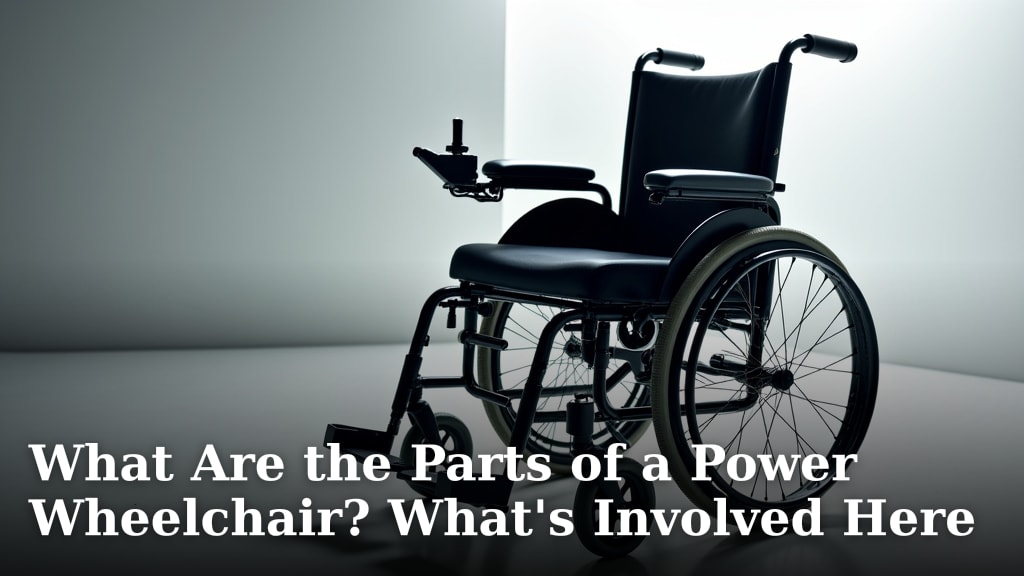
A power wheelchair is made up of several key parts that work together for A power wheelchair is made up of several key parts that work together for mobility and control, including a front wheel drive wheelchair.mobility and control. You’ll find the main frame, a powerful motor and battery system, and a comfortable seating system. Understanding these components helps you choose the right chair for your needs. It’s more than just wheels and a seat; it’s a sophisticated piece of assistive technology.
Beyond the basics, there are also the drive wheels, which provide forward motion. You’ll also have caster wheels for stability and steering. Don’t forget the controller, your direct link to operating the chair. Many chairs also feature adjustable footrests and armrests for customized comfort and support.
- Power wheelchairs have a main frame, motor, battery, and seating.
- Drive wheels move the chair, while casters help with steering.
- The controller is how you operate the wheelchair.
- Adjustable footrests and armrests add to comfort.
- Knowing these parts helps in making a good purchase decision.
Let’s walk through exactly what each of these parts does and why they matter for your daily life.
“`htmlUnderstanding the Components of Your Power Wheelchair
A power wheelchair is a sophisticated mobility device. It helps you navigate your world with greater independence. You might be wondering what makes it all work. Let’s break down the essential parts of a power wheelchair. We’ll explain what each piece does for you.
The Core Structure: Frame and Seating
Think of the main frame as the skeleton of your power wheelchair. It’s the sturdy foundation that holds everything else together. This frame needs to be strong and reliable. It supports your weight and the weight of all the components.
The Foundation: The Main Frame
The main frame is usually made of strong metals like steel or aluminum. This ensures it can handle daily use. Different designs exist, but the goal is always stability and durability. A well-built frame is key to a safe and comfortable ride.
Your Comfort Zone: The Seating System
The seating system is where you’ll spend most of your time. It’s designed for comfort and support. This includes the seat cushion, backrest, and sometimes headrests. Many seating systems are adjustable. This allows you to find the perfect position for your body.
Seat Cushions for Support
Seat cushions come in various materials. Some are made of foam for basic comfort. Others use gel or air for advanced pressure relief. The right cushion can prevent sores and improve posture. We found that proper cushioning is vital for long-term use (Cleveland Clinic).
Backrests and Headrests
The backrest supports your spine. It should offer adequate height and contouring. Some chairs have reclining backrests for added comfort. Headrests are optional but helpful for neck support. They prevent your head from slumping.
Powering Your Mobility: Motors and Batteries
The “power” in power wheelchair comes from its motors and battery system. This is the engine that drives your chair. Understanding these parts helps you know how to keep your chair running.
The Driving Force: Motors
Power wheelchairs typically have two main motors. One motor is usually connected to each drive wheel. These motors convert electrical energy into mechanical movement. They provide the power to move the chair forward, backward, and turn.
The Energy Source: Batteries
Batteries are essential for powering the motors. Most power wheelchairs use deep-cycle, sealed lead-acid (SLA) batteries. These are similar to car batteries but designed for repeated deep discharges. You’ll need to recharge them regularly.
Battery Types and Lifespan
Some advanced chairs might use lithium-ion batteries. These are lighter and can last longer between charges. However, they are typically more expensive. Battery lifespan depends on usage and maintenance. Following manufacturer guidelines can help extend battery life.
Charging Your Power Wheelchair
Your power wheelchair will come with a charger. It’s important to follow the charging instructions carefully. Many users find it best to charge the batteries overnight. This ensures you have a full charge for the day ahead.
Steering and Control: Wheels and the Joystick
How do you tell your power wheelchair where to go? That’s where the wheels and the controller come in. These parts work together for precise navigation.
Getting Around: Drive Wheels
The drive wheels are the largest wheels on your power wheelchair. They are directly connected to the motors. These wheels provide the primary propulsion. They push the chair forward or backward.
Stability and Turning: Caster Wheels and Rear Wheels
Smaller wheels, called caster wheels, are located at the front and sometimes the rear of the chair. These wheels swivel freely. They help with stability and make turning much easier. They keep the chair from tipping over. Some chairs have larger rear wheels instead of casters for different driving dynamics.
Your Command Center: The Controller
The controller, often called a joystick, is how you operate the chair. It’s usually mounted on an armrest. You move the joystick in the direction you want to go. The speed is controlled by how far you push the joystick. This system allows for intuitive control.
Understanding Controller Functions
Most controllers have basic functions like speed adjustment and power on/off. Some advanced controllers offer more options. These might include tilt or recline adjustments for the seating system. Learning your controller’s features is key to maximizing your chair’s capabilities.

Adjustability for Your Needs: Footrests and Armrests
Beyond the core mechanics, power wheelchairs offer features for your comfort and support. Adjustable footrests and armrests are prime examples. They make a big difference in your daily experience.
Supporting Your Legs: Footrests
Footrests keep your feet elevated and supported. This prevents your feet from dragging. Many footrests are adjustable in height and angle. Some can swing away to make it easier to get in and out of the chair. We found that proper footrest positioning can reduce strain (NIH).
Comfort and Function: Armrests
Armrests provide a place to rest your arms. They also offer support when transferring in and out of the chair. Many armrests are adjustable in height. Some can flip up or be removed entirely. The controller is usually attached to one of the armrests.
Swing-Away and Removable Options
Swing-away footrests are very common. They pivot out of the way, making transfers simpler. Removable armrests offer similar benefits. They allow for easier access to the seat. These features are designed to make your life easier.
Making an Informed Choice
Knowing these parts helps you understand what to look for when choosing a power wheelchair. Each component plays a vital role in your mobility and comfort. It’s not just about getting from point A to point B. It’s about doing so safely, comfortably, and with as much independence as possible.
Quick Checklist for Power Wheelchair Parts
- Frame: The sturdy base.
- Motors & Batteries: The power source.
- Seating: For your comfort and support.
- Drive Wheels: For movement.
- Caster Wheels: For stability and steering.
- Controller (Joystick): How you operate it.
- Footrests & Armrests: For added comfort and support.
Conclusion
You’ve learned about the essential parts that make a power wheelchair work. From the sturdy frame and comfortable seating to the motors, batteries, and intuitive controller, each component is key. Understanding these parts helps you appreciate how your chair provides independence. It also helps you make informed choices for your specific needs. Now that you know what to look for, take the next step by discussing your options with a mobility specialist. They can help you find the perfect chair.
Frequently Asked Questions
How do I know if my power wheelchair batteries need replacing?
You’ll likely notice a significant decrease in how long your wheelchair holds a charge. If you find yourself needing to recharge more often than usual, or if the chair seems to lose power unexpectedly, it’s probably time for new batteries. Your manual often provides guidance on battery lifespan.
Can I adjust the speed of my power wheelchair?
Yes, most power wheelchairs allow you to adjust your speed. This is typically done through the controller or joystick. You can usually set a maximum speed limit. This helps ensure safe operation in different environments.
What is the difference between drive wheels and caster wheels?
The drive wheels are the larger wheels connected to the motors that propel the chair forward and backward. The caster wheels are smaller and are located at the front and sometimes rear to provide stability and help the chair turn smoothly. They allow for easy maneuvering.
Are power wheelchair seats customizable?
Yes, power wheelchair seating is often very customizable for your comfort. You can usually adjust or select different types of seat cushions for pressure relief. Backrests can also vary in height and contouring. Many chairs offer options for headrests and recline functions.
How often should I clean the parts of my power wheelchair?
Regular cleaning is important for performance and longevity. Wipe down the frame and seating with a damp cloth. Keep the controller clean and dry. Periodically check the wheels for debris. Always refer to your owner’s manual for specific cleaning instructions for your model.