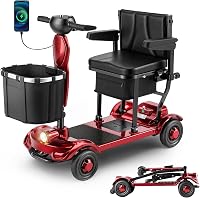
How to Recycle a Mobility Scooter
Recycle a mobility scooter by separating the battery, electronics, charger, tires, and frame, then sending each material to the right local program. Repair or donate usable parts before arranging disposal.
On this page (7 sections)
- What should you do before recycling a mobility scooter?
- How should you prepare the mobility scooter battery?
- Where should the electronics and charger go?
- How do you recycle the metal frame and plastic parts?
- How should you handle tires, plastics, and the seat?
- How can you find a responsible recycling option?
- What is the best way to recycle mobility scooters?
Recycle a mobility scooter by separating its battery, electronics, charger, tires, plastics, and frame before contacting local recycling or reuse programs. A working scooter may be better repaired, donated, or sold for parts than dismantled.
This approach matters because each material follows a different route. A battery recycler may refuse a scooter that still has its battery installed, while a scrap yard may not accept loose electronics.
For an eWheels model, compare eWheels scooter replacement parts before disposal. Model specific controls and panels can be difficult to source later, so checking availability early can change the decision.
Start by checking whether the scooter can return to service. If it only needs a small replacement part, compare best mobility scooter parts before sending the whole vehicle to a recycling center.
Test the basics first, including power, controls, tires, brakes, seat condition, and charging. A scooter that starts and moves safely may still have many useful years left.
Note the brand, model, serial number, and battery type if labels are readable. These details help a dealer, reuse group, or recycler tell you whether parts and programs apply.
Ask whether the problem is a single failed component or a wider pattern of wear. One worn switch, charger, tire, or seat part often points to repair, while repeated electrical faults may suggest a harder decision.
Do not rush to dismantle a scooter that could be reused by someone else. Cleaning it, gathering its charger and keys, and recording faults honestly makes repair or donation more practical.
If repair is unlikely, plan the next step by material rather than by the whole vehicle. Separate storage, transport, and drop-off arrangements can make each part easier for the receiving site to accept.
What should you do before recycling a mobility scooter?
Confirm whether the scooter can be repaired or reused first. Remove personal items, clean the surfaces, gather the charger and keys, and record the brand and model if you know them.
Check the scooter for damage, missing controls, worn tires, and battery problems. A scooter that runs safely may help another person through a donation program or mobility equipment organization.
If the scooter needs wheels but the frame and controls work, review best mobility scooter wheels before deciding that disposal is the only option. For seating problems, mobility scooter seats may help you identify a replacement route.
Can a small part keep the scooter in use?
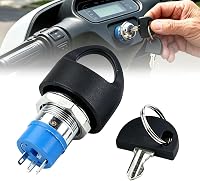
A small failed control may not require replacing the complete scooter. The MOONDKIST Ignition Switch with 2 Keys is an ignition replacement switch with 2 keys, a zinc alloy shell, a handlebar mount, and a plug-in connector.
Check the compatible device details before ordering. The switch is designed for Pride Victory Go Go, Pride Revo 2.0 S66/S67, and Pride Zero Turn 10 S710ZT.
If a missing key is the problem, compare best mobility scooter key replacement before discarding a scooter that may still be usable. Don't force a repair if you cannot identify the wiring or mounting needs.
How should you prepare the mobility scooter battery?
Treat the battery as a separate recycling item and protect its terminals during handling. Follow the battery label and scooter instructions, and ask the receiving facility whether it accepts that battery chemistry and size.
Many mobility scooters use sealed lead-acid or AGM systems, but you should confirm the battery type before transport. Don't place a loose battery in a trash bin, recycling cart, or container with metal objects.
Keep the battery upright and dry. If the case is cracked, leaking, swollen, hot, or damaged, avoid handling it and contact your local hazardous-waste authority for instructions.
Should you replace the charger before recycling?
A scooter that won't run may have a charger problem rather than a failed vehicle. The Precision Auto Products 24V 2A Battery Charger has a 3-Pin XLR connector and is designed for compatible 24V sealed lead-acid or AGM battery systems.
This charger has red and green indicator lights, a cord about 8.9 ft long, and input of 100–120V at 50/60Hz. Its output is 24V and 2A.
It is not for other battery types.
Confirm the scooter's battery voltage and connector before choosing a charger. If the charger immediately shows a green light, the batteries may not be accepting a charge and may need further testing or replacement.
Where should the electronics and charger go?
Take electronics, wiring, controllers, and chargers to an electronics recycling program when possible. Ask whether the site accepts mobility equipment, because some programs handle household electronics but exclude larger medical or mobility devices.
Unplug the charger before storage or transport. Keep cables together, avoid cutting wires unless a qualified recycler instructs you to do so, and label loose parts with the scooter brand and model when known.
A repair shop, mobility dealer, or reuse group may accept working controls and chargers. This keeps usable parts in circulation and may reduce the amount of equipment that needs dismantling.
How do you recycle the metal frame and plastic parts?
Separate the frame from smaller components only when the receiving facility asks you to. Steel or aluminum frame materials may be accepted as scrap metal, while plastic covers, seats, baskets, and trim may need a different route.
Don't assume a curbside recycling bin can handle a scooter frame. Contact the local waste department or scrap-metal facility first, and ask about size limits, disassembly rules, and drop-off requirements.
The seat may be reusable if it is clean and undamaged. For scooter owners who need storage rather than disposal, the Challenger Mobility Pride Mobility Large Front Basket is a front basket measuring 12 in wide, 6 in deep, and 11 in high.
The basket fits only the latest models named for this product, and the scooter must have the attachment bracket. The mounting bracket is not included.
If you are donating a compatible scooter, include the basket when it is safe and properly attached.
For other accessories, see What Is a Folding Mobility Scooter? What It Looks Like and [What Is a Heavy Duty Mobility Scooter?
What to Expect](/what-is-a-heavy-duty-mobility-scooter/) to understand how different scooter designs affect transport and storage.
How should you handle tires, plastics, and the seat?
Ask the recycling site about tires and mixed plastics before you arrive. These materials may not belong with household recycling, even when parts appear small.
Keep tires attached unless the facility requests removal. If you remove them, store them away from heat and sharp objects, and ask a tire or scrap facility whether it accepts mobility scooter tires.
Wipe down the seat and plastic panels with a suitable household cleaner. Do not donate parts with mold, sharp damage, exposed wiring, or contamination that could create a safety problem.
A rear basket or seat cover may be reusable with a compatible scooter. Review best mobility scooter rear basket and best mobility scooter seat cover when deciding which accessories to keep, donate, or replace.
How can you find a responsible recycling option?
Call before loading the scooter into a vehicle. Ask the local waste authority, mobility dealer, manufacturer, scrap-metal yard, battery recycler, and electronics recycler which parts they accept.
The U.S. Environmental Protection Agency explains options for recycling used household batteries, while Call2Recycle provides information about battery drop-off and recycling.
Acceptance rules vary by location and battery type.
Ask these questions:
- Do you accept complete mobility scooters?
- Do you accept sealed lead-acid or AGM batteries?
- Must the battery be removed first?
- Do you accept chargers, controllers, and wiring?
- Can you take the metal frame and tires?
- Do you offer pickup for heavy equipment?
Get transport instructions before disassembly. A complete mobility scooter may be heavy, and awkward lifting can cause injury or damage to the scooter.
What is the best way to recycle mobility scooters?
Repair or donate a working scooter, then recycle the remaining materials through separate programs. Send the battery to an approved battery route, ask an electronics recycler about chargers and controls, and take the frame, tires, plastics, and seat to facilities that accept each material.
Start with the option that keeps the scooter in use for the longest time. Repair suits a scooter with a sound frame, working controls, and manageable battery costs.
Donation suits a clean scooter that can move and stop safely without hidden electrical damage. A reuse group can assess brakes, tires, seating, and controls more closely than a general recycling site.
If neither route works, separate the scooter by material before transport. Keep the battery upright and protected, and keep chargers, wiring, and controls together for an electronics program.
Ask each facility whether parts should arrive assembled, partly dismantled, or fully separated. Some sites prefer a complete unit, while others cannot accept mixed materials at all.
Confirm size limits, drop-off hours, packaging rules, and any fees before loading the scooter. Heavy frames and batteries need planned lifting, suitable restraints, and help from another person.
Keep the charger, keys, instructions, and compatible accessories with a donation when possible. If the scooter cannot be reused, contact the receiving sites first and follow their packaging and transport rules.
Label loose parts with the brand and model when known. Clear details help staff route cables, controls, baskets, and panels without guessing.
For the safest disposal plan, recycle mobility scooters by material rather than treating the entire vehicle as regular waste. That order protects usable equipment first and gives every remaining part a better chance of acceptance.
Frequently asked questions
Can mobility scooters go in the regular trash?
Usually, you should not place a complete mobility scooter in regular trash. Separate the battery, charger, electronics, tires, and frame, then ask your local waste authority, recycling center, mobility shop, or manufacturer which materials they accept.
How do you dispose of a mobility scooter battery?
Remove the battery only if you can do so safely and follow the battery label and scooter instructions. Keep it upright, protect the terminals from contact, and take it to a battery recycler, hazardous-waste program, or retailer that accepts that battery type.
Can an old mobility scooter be donated?
Yes, a working mobility scooter may be donated to a reuse group, community organization, mobility equipment program, or another person who needs it. Clean it, describe its condition honestly, and include the charger, keys, and instructions when available.
What parts of a mobility scooter can be recycled?
The battery, metal frame, electronics, wiring, charger, tires, plastics, and seat may follow different recycling routes. Ask each receiving site what it accepts before transport, because one facility may not handle every scooter material.