Toilet Seat Riser vs Raised Toilet Seat: Which Is Better? (November 2026)
Choose a toilet seat riser for a simple height increase, or a raised toilet seat for a complete seat replacement with added features. The right choice depends on toilet shape, needed height, handles and how securely you can sit and stand.
On this page (10 sections)
- Toilet seat riser vs raised toilet seat: what is the difference?
- Which option is best for a round toilet?
- Which option is best for an elongated toilet?
- How much height do you need?
- Do handles make a raised toilet seat safer?
- Which product fits each buying situation?
- How should you install and care for a raised toilet seat?
- Should you choose a riser with handles or a separate grab bar?
- What should you check before ordering?
- Final choice: toilet seat riser or raised toilet seat?
Choose a toilet seat riser for a simple height increase, or a raised toilet seat for a complete seat replacement with added features. The toilet seat riser vs raised toilet seat decision depends on fit, height, handles and the support you need during transfers.
A riser can sit on the bowl, fit under an existing seat, or replace the original seat with a raised design. A raised toilet seat can describe any of these options, so read the attachment method carefully.
This comparison covers round and elongated toilets, fixed and adjustable heights, handles, installation and cleaning. We checked the listed features and matched them to common bathroom-safety needs.
 Best for simple round-toilet height
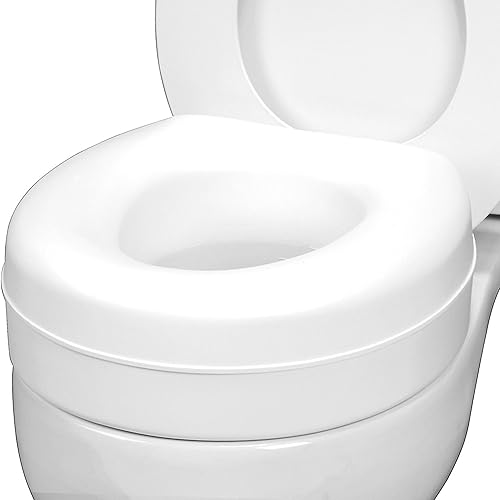
HealthSmart 5-inch Padded Raised Toilet Seat Riser

Toilet seat riser vs raised toilet seat: what is the difference?
A toilet seat riser focuses on adding height, while a raised toilet seat may also change the seat, attachment system or available hand support. The names overlap, so the construction matters more than the label.
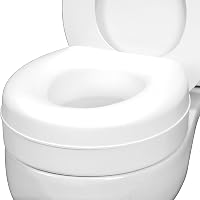
A simple riser may sit directly on the toilet bowl after you lift the current seat. The HealthSmart model adds 5 inches to a standard round toilet and uses 5 slip-resistant pads.
An under-seat riser fits beneath the existing toilet seat. The Vive model adds 3.5 inches under an elongated toilet seat and includes removable handles.
A replacement-style raised seat attaches like a regular toilet seat. The KOHLER Hyten adds 3 inches to a round toilet and uses above-bowl hardware.
A raised toilet seat with legs is closer to a toilet safety frame combined with a raised seat. The HOMLAND model has adjustable height and width, handles and a stated 400 lb capacity.
What does a toilet seat riser attach to?
A toilet seat riser may rest on the bowl, fit below the existing seat, or use replacement-seat hardware. Confirm the attachment method before you buy because installation and cleaning can differ.
The HealthSmart riser is placed on top of the toilet bowl after lifting the current seat. It needs a round toilet and does not require assembly.
The Vive riser fits under the existing elongated seat. Its interior lip helps limit slipping, and the included screws and washers attach it without tools.
A riser designed for a bidet needs extra care. The attachment points, water connection and available clearance can conflict with one another, so use our guide to choose a toilet seat riser for a bidet.
What does a raised toilet seat replace?
A replacement raised toilet seat takes the place of the original seat and uses its mounting area. This can give the bathroom a more familiar appearance, but it may require more careful alignment.
The KOHLER Hyten is a round raised toilet seat with a contoured seat, quiet-close seat and lid, Grip-Tight bumpers and quick-release functionality. Its hardware is installed from above the bowl.
The HOMLAND model is a larger support setup with adjustable legs and handles. It is designed around height and width adjustment rather than the appearance of a conventional toilet seat.
Which option is best for a round toilet?
A round-toilet riser or raised seat is the right choice when the bowl shape matches the product. Do not use an elongated model simply because its height looks suitable.
The HealthSmart riser is a strong fit when you want a 5-inch increase on a standard round bowl and prefer a lightweight, portable option. Its plastic body weighs 16 ounces, and it supports up to 300 lb.
The KOHLER Hyten suits a round toilet when you want a lower 3-inch increase with a conventional seat profile. Its round closed-front design may be easier to blend into a bathroom than a separate riser.
For more round-toilet choices, see our guide to the best raised toilet seats for round toilets. It can help you compare fit before focusing on handles or padding.
Which option is best for an elongated toilet?
An elongated toilet needs an elongated-compatible seat or riser. The Vive model is made for an elongated toilet seat and adds 3.5 inches beneath the existing seat.
The Vive includes removable handles with padded foam grips. The space between the handles is 19 inches, with 22 inches from the outside of one handle to the other.
Its plastic seat riser supports up to 300 lb. The aluminum handles are corrosion resistant, and the riser can be wiped with household disinfectants or sanitizing wipes.
If your bowl is elongated but you want a replacement-style seat, compare the options in our guide to raised toilet seats for elongated toilets. Measure first because an incorrect front-to-back fit can affect stability.
How much height do you need?
Choose the lowest height that reduces difficult bending without making transfers feel awkward. A 3-inch increase may be enough for one user, while another may need 3.5 or 5 inches.
The HealthSmart adds 5 inches, the Vive adds 3.5 inches and the KOHLER adds 3 inches. The HOMLAND model adjusts from 18.1 to 23 inches in seat height, so it offers a wider range than fixed risers.
Measure your current toilet seat height from the floor. Then consider the height of the user’s chair, walker or transfer surface.
A seat that is too low can require more bending. A seat that is too high can make it harder to place both feet firmly on the floor, so the final choice should match the user’s transfer method.
Do handles make a raised toilet seat safer?
Handles can provide a steady handhold during sitting and standing, but they do not replace careful installation or a suitable bathroom layout. Choose them when the user needs support close to the toilet.
The HOMLAND model has non-slip armrests, adjustable legs and rubber feet. Its seat height and width adjust to suit different users and toilet sizes, and the structure supports up to 400 lb.
The Vive model has removable handles with soft foam grips. That gives you the option to keep the hand support in place or remove it when the user does not need it.
The HealthSmart riser has no handles in the supplied product details. It may suit someone who already has nearby support, such as a properly installed bathroom grab bar, or who only needs added seat height.
For a user who needs support at the sides of the toilet, compare handle placement with the width of the bathroom. Armrests should not block a walker, wheelchair or caregiver during a transfer.
Which product fits each buying situation?
Pick the product that matches your toilet shape, required height and support needs before comparing comfort features. These 4 options solve different versions of the same bathroom problem.
The HealthSmart 5-inch Padded Raised Toilet Seat Riser is the simplest option in this comparison. It is a round, white plastic riser that adds 5 inches and uses 5 slip-resistant pads.
It weighs 16 ounces and supports up to 300 lb. No assembly is required, so it may suit a short-term recovery setup or a bathroom shared by different users.
Its main trade-off is fit and support style. It is designed for a round toilet and does not include handles, so it is better for a user who needs elevation rather than a complete transfer frame.
The KOHLER 25876-0 Hyten 3-inch Height is a round raised toilet seat with a contoured seat and a white plastic body. It adds 3 inches without using a separate bowl-top riser.
Grip-Tight hardware fastens from above the bowl, while Grip-Tight bumpers hold the seat in place. The quick-release function supports easier removal for cleaning, and the quiet-close seat and lid help prevent slamming.
This option suits a user who wants a fixed raised seat with a familiar appearance. It is less suitable if you need handles, adjustable height or an elongated fit.
The HOMLAND Raised Toilet Seat with Handles is a larger support system with adjustable legs, non-slip armrests and rubber foot pads. Its seat height adjusts from 18.1 to 23 inches, and its width adjusts from 19.1 to 23.2 inches.
The padded seat is 16.5 inches in size. The aluminum support structure has a stated 400 lb load capacity, which gives this model a different role from lightweight bowl-top risers.
Choose it when the user needs more control over the final seat height and width. Its larger frame may require more room around the toilet than a simple riser.
The Vive Raised Toilet Seat Riser for Seniors adds 3.5 inches beneath an elongated toilet seat. It includes removable handles with padded foam grips and a 19-inch space between the handles.
The riser attaches with included screws and washers without tools. Its plastic body supports up to 300 lb, and the aluminum handles can be cleaned with regular bathroom disinfectants.
This model balances a moderate height increase with side support. Check the toilet shape before ordering because its intended fit is elongated.
How should you install and care for a raised toilet seat?
Follow the attachment method for the exact seat, then check that the riser or frame stays stable before regular use. A correct height is not enough if the seat shifts during a transfer.
For a bowl-top riser, lift the current seat, place the riser as directed and check that every contact pad sits flat. The HealthSmart model is designed for placement on a round bowl without assembly.
For an under-seat riser, remove or loosen the existing seat as directed, align the riser and secure the hardware. The Vive model uses screws and washers and includes an interior lip to help limit slipping.
For a replacement-style seat, align the hinges and fasten the hardware from the correct position. The KOHLER model is designed for above-bowl installation, which can make access easier in a tight bathroom.
For an adjustable frame, set both sides and legs evenly before use. The HOMLAND model has adjustable width and height, so check that the seat is level and all rubber feet contact the floor.
Clean plastic surfaces with the method allowed for the product. The Vive riser can be wiped with household disinfectants or sanitizing wipes, while the KOHLER quick-release function helps with access around the seat.
Inspect the attachment points, pads, handles and feet regularly. Stop using the seat if it shifts, cracks or no longer stays level, then check the instructions or arrange suitable assistance.
Should you choose a riser with handles or a separate grab bar?
Choose built-in handles when you need support directly beside the seat, and choose a grab bar when the bathroom layout calls for a fixed handhold. The best setup depends on the user’s reach and transfer path.
Built-in handles travel with the raised seat. The HOMLAND and Vive models provide side support as part of the toilet setup.
A wall-mounted grab bar can offer a different hand position, but it must be installed in a suitable location and attached securely. Keep the transfer route clear for a walker or wheelchair.
A universal raised toilet seat may be useful when you need to compare attachment styles before choosing handles. If bathing is also difficult, our guide to a self-propelled shower wheelchair covers a separate type of bathroom support.
A bedside option may be more suitable when reaching the bathroom is not practical. See our guide to bariatric bedside commodes if weight capacity and bedside access are part of the decision.
What should you check before ordering?
Measure the toilet, the available floor space and the user’s transfer height before choosing a raised toilet seat. These checks prevent many fit problems.
Confirm whether the bowl is round or elongated. Then measure the bowl length and width, the current seat height and the space beside the toilet.
Check whether the user needs handles, whether a caregiver needs room to assist and whether a wheelchair or walker can approach from the planned direction.
Review the stated weight capacity for the exact product. Do not assume that a simple riser and a framed raised seat have the same support limits.
If you use a bidet, measure the rear clearance and confirm that the riser will not interfere with the bidet seat, water connection or controls. A seat that fits the bowl may still be unsuitable for the full bathroom setup.
Final choice: toilet seat riser or raised toilet seat?
Choose a toilet seat riser when you mainly need a fixed height increase, and choose a raised toilet seat when you need a replacement seat, handles or adjustable support. Then narrow the choice by toilet shape and transfer height.
Pick the HealthSmart for a lightweight 5-inch round-toilet riser. Pick the KOHLER Hyten for a 3-inch round raised seat with a conventional look.
Pick the HOMLAND when adjustable height, adjustable width and a higher stated capacity are priorities. Pick the Vive when you have an elongated toilet and want removable padded handles.
The best toilet seat riser vs raised toilet seat choice is the one that fits the bowl, leaves room for transfers and gives the user the support they can use consistently.
Frequently asked questions
What is the difference between a toilet seat riser and a raised toilet seat?
A toilet seat riser usually adds height to an existing toilet seat or sits on the bowl, while a raised toilet seat is a broader term for a raised seat designed to make sitting and standing easier. Some raised seats replace the original seat, and others attach under or above it.
Is a toilet seat riser better than a raised toilet seat?
Neither is best for every bathroom. Choose a toilet seat riser when you need a specific height increase and simple setup.
Choose a raised toilet seat with handles or adjustable legs when you need more support, a different fit or help during transfers.
How much height should a raised toilet seat add?
Choose the smallest height that lets you sit and stand without excessive bending. Common options include 3, 3.5 and 5 inches, but your leg strength, transfer method and toilet height matter.
Measure from the floor to the seat and follow advice from your care team when needed.
Do raised toilet seats fit every toilet?
No. Toilet shape and attachment style matter.
Round seats and elongated seats have different dimensions, while some adjustable models are designed for a wider range of toilets.
Measure the bowl and check the exact fit before ordering, especially if you need a seat for a bidet.