What Does an Electric Wheelchair Look Like? A Clear Answer
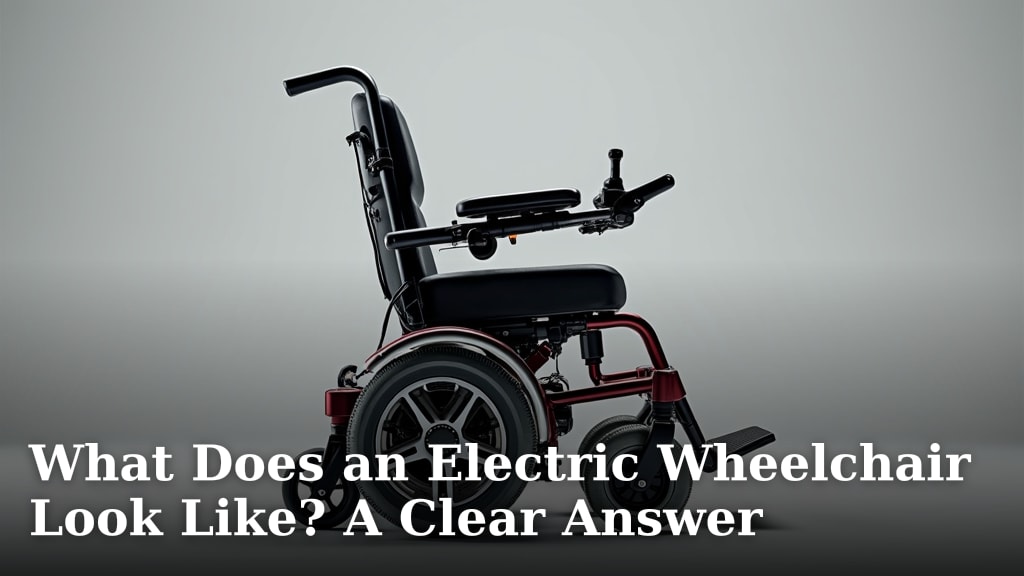
An electric wheelchair is a powered mobility device that helps people who have difficulty walking. It typically looks like a chair with wheels. This chair has an electric motor and a battery. You control it with a joystick. It offers independent mobility for many users. Think of it as your personal, powered ride.
You might picture a simple chair on wheels. But electric wheelchairs come in many styles. Some are built for indoor use, keeping them compact and agile. Others are designed for outdoor adventures, with tougher suspension and larger wheels. They are engineered for comfort and ease of use. Many models feature adjustable seating and armrests.
- Electric wheelchairs are powered chairs.
- They use a motor and battery.
- A joystick controls movement.
- They come in indoor and outdoor models.
- Comfort and adjustability are key features.
So, what exactly makes up an electric wheelchair? Let’s break down the common parts you’ll find.
Understanding the Design of Powered Wheelchairs
So, you’re curious about what an electric wheelchair actually looks like? It’s more than just a chair on wheels. Think of it as a personal transportation system built for your comfort and independence.
These devices blend familiar chair elements with advanced technology. They are designed to be both functional and user-friendly. You’ll find they are engineered with specific needs in mind.
The Core Components of an Electric Wheelchair
Every electric wheelchair, no matter its style, shares a common set of essential parts. These components work together to provide mobility and control.
The Seating System: Your Command Center
The seat is where you’ll spend most of your time. It’s designed for maximum comfort and support. Seats often feature thick cushioning. Many are also adjustable.
Seat Adjustments for Personalized Comfort
You can usually adjust the seat in several ways. This might include recline, tilt, or height adjustments. The goal is to find the perfect position for your body. This helps prevent pressure sores and boosts circulation. Good seating is key for long-term use.
Armrests and Footrests: Support Where You Need It
Armrests provide support for your arms. They can often be raised or lowered. Some can even be flipped up to make transferring easier. Footrests support your feet and legs. They are usually adjustable in height and angle.
The Drive System: Powering Your Movement
This is the heart of the electric wheelchair. It’s what makes it move without you having to push.
Motors: The Engine of Your Chair
Electric wheelchairs have one or two motors. These motors drive the wheels. The power of the motors affects how quickly and powerfully the chair can move. More powerful motors are often found on chairs designed for outdoor use or for heavier users.
Batteries: The Fuel Source
Batteries power the motors. They are usually rechargeable. The type and size of the batteries determine how far you can travel on a single charge. This range is often referred to as the cruising range.
Wheels and Tires: Contact with the Ground
Most electric wheelchairs have four wheels. There are typically two larger drive wheels at the back or middle. These are powered by the motors. Two smaller caster wheels are at the front and sometimes the rear. These help with steering and stability. Tires can be solid or pneumatic (air-filled). Pneumatic tires offer a smoother ride.
The Control System: Steering Your Way
This is how you tell the wheelchair where to go and how fast.
The Joystick Controller: Your Steering Wheel
The most common control is a joystick. It’s usually mounted on one of the armrests. Moving the joystick in different directions controls the chair’s movement. Push it forward to go forward. Pull it back to reverse. Move it left or right to turn. The speed is typically controlled by how far you push the joystick.
Other Control Options: For Specific Needs
Some chairs offer alternative controls. These can include head arrays, sip-and-puff systems, or chin controllers. These are for individuals who cannot use a standard joystick. They allow for precise control using other parts of the body.
The Frame and Chassis: The Foundation
This is the structural part of the wheelchair. It supports all the other components. The frame is built to be sturdy and durable. It houses the batteries and motors. It also connects to the wheels and seating system.
Common Electric Wheelchair Styles and Their Looks
While the core components are similar, electric wheelchairs come in various styles. Each style has a distinct appearance based on its intended use.
Indoor Electric Wheelchairs: Compact and Agile
These chairs are built for navigating tight indoor spaces. They often have a smaller turning radius. This makes them excellent for maneuvering around furniture. They might have smaller wheels and a more compact frame. Their look is generally sleek and less bulky.
Outdoor Electric Wheelchairs: Rugged and Capable
If you plan to use your wheelchair outside frequently, you’ll want an outdoor model. These chairs look more robust. They often feature larger, more aggressive tires. They may have advanced suspension systems for a smoother ride over uneven terrain. Some outdoor models can even handle inclines and rougher surfaces.
Heavy-Duty Electric Wheelchairs: Strength and Stability
These chairs are designed to support higher weight capacities. They often look more substantial. They feature stronger frames and more powerful motors. The seating is usually very supportive and adjustable. These models prioritize durability and performance under demanding conditions.
Standing Electric Wheelchairs: Reaching New Heights
A unique type is the standing electric wheelchair. These chairs allow the user to transition from a seated position to a standing one. Visually, they might have a mechanism that lifts the user upwards. This can be very beneficial for health and social interaction.

Visualizing an Electric Wheelchair: What to Look For
When you see an electric wheelchair, notice a few key visual cues. You’ll see the sturdy frame. Look for the batteries, often housed underneath the seat. The control joystick will be prominent on an armrest. The large drive wheels are usually the most noticeable part of the drive system. The overall design will reflect its purpose—indoor agility or outdoor ruggedness.
Making the Choice: Key Visual Features to Consider
As you consider which electric wheelchair might be right for you, keep these visual aspects in mind:
- Seat Comfort: Does the seat look well-padded and supportive?
- Controller Placement: Is the joystick easily accessible?
- Wheel Size: Are the wheels appropriate for your typical terrain?
- Frame Size: Will it fit through doorways and around your home?
- Overall Build: Does it look sturdy and well-made?
Research and testing can help you understand how these visual features translate to real-world performance. Many sources, like the Rehabilitation Engineering and Assistive Technology Society of North America (RESNA), offer guidance on selecting appropriate devices.
Conclusion
You’ve learned that an electric wheelchair is more than just a powered chair. It’s a carefully designed mobility solution with many parts working together. From the comfortable seating to the powerful drive system and intuitive controls, each component serves a purpose. Understanding these elements helps you see how different styles suit various needs. Whether for indoor navigation or outdoor adventures, there’s a powered wheelchair designed for you. Your next step is to research specific models that match your lifestyle and needs.
Frequently Asked Questions
Are electric wheelchairs bulky and hard to move around furniture?
Some electric wheelchairs can be bulky, but many are designed for indoor use. These models often have a small turning radius, making them agile enough to maneuver around furniture and in tight spaces. Look for descriptions that mention maneuverability or compact design.
How do I know if a wheelchair is built for outdoor use?
Outdoor electric wheelchairs typically look more robust. You’ll often see larger, more rugged tires designed to handle various terrains, from grass to gravel. They may also feature stronger suspension systems for a smoother ride over bumps.
Can an electric wheelchair help me stand up?
Yes, some electric wheelchairs have a standing function. These unique chairs have a mechanism that allows the user to safely transition from a seated position to a standing one. This can offer health benefits and improve social interaction.
What does the controller on an electric wheelchair look like?
The most common controller is a joystick, usually mounted on one of the armrests. You move it in different directions to control speed and turns, similar to a gaming controller. Some chairs offer alternative controls for users with different needs.
How do I know if the seat will be comfortable for me?
When looking at an electric wheelchair, pay attention to the seat’s cushioning and adjustability. Many seats offer features like recline, tilt, and adjustable armrests and footrests. These adjustments help you find a supportive and comfortable position for extended use.