What Does Wheelchair Accessible Mean? What You Need to Know
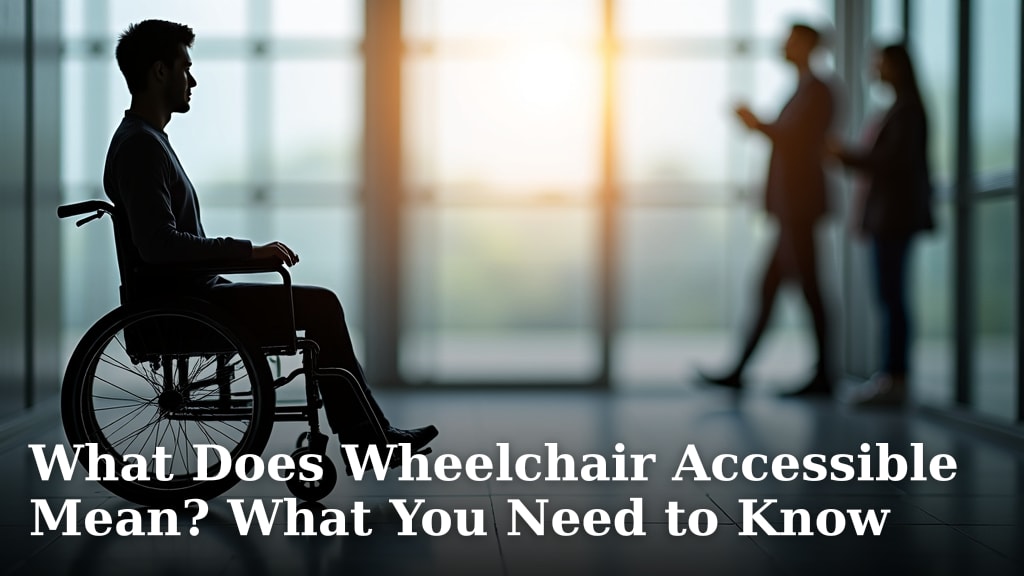
Wheelchair accessible means a place or product is designed to be easily used by someone in a wheelchair. This includes features like ramps, wider doorways, and accessible restrooms. It ensures everyone can access and enjoy spaces independently.
When we talk about wheelchair accessibility, we’re really talking about universal design principles. The goal is to remove barriers for people with mobility challenges. This isn’t just about buildings; it also applies to transportation, websites, and even consumer products like vehicles.
- Wheelchair accessible means safe and easy access for mobility devices.
- Key features include ramps, wider doorways, and accessible bathrooms.
- It’s about removing barriers and promoting independence for everyone.
- Think about buildings, transport, and even online spaces.
- Accessibility makes places and services usable by the widest range of people.
Let’s walk through exactly what makes a space or product wheelchair accessible and what you should look for.
Understanding Wheelchair Accessibility: What It Really Means
So, what exactly does it mean for a place or a product to be wheelchair accessible? It’s about making sure that someone using a wheelchair, or any mobility device, can get in, move around, and use the facilities safely and independently. Think of it as removing obstacles so everyone has the same opportunities to participate.
This concept goes beyond just having a ramp. It’s a holistic approach to design that considers the needs of people with different physical abilities. Many sources, like the U.S. Department of Justice’s ADA guidelines, highlight that accessibility is about providing equal access and preventing discrimination.
Key Features of Accessible Spaces
When you’re looking for an accessible location, there are several key features to keep an eye out for. These aren’t just nice-to-haves; they are often legally mandated to ensure fair access for everyone.
Entryways and Pathways
Getting into a building is the first hurdle. Accessible entrances need to be wide enough for wheelchairs to pass through easily. We’re talking about a minimum clear width, usually around 32 inches, though 36 inches is often preferred for more comfort.
Ramps are another common feature. An accessible ramp shouldn’t be too steep. The Americans with Disabilities Act (ADA) provides specific slope requirements, typically no more than a 1:12 ratio (meaning for every 12 inches forward, you go up 1 inch). This ensures a safe and manageable incline for wheelchair users.
Pathways inside the building also need to be clear. They should be wide enough to navigate and free of obstructions like clutter, heavy furniture, or uneven surfaces. Think about how easy it is to move from one area to another without bumping into things.
Doorways and Maneuvering Space
Once inside, you need to get through doorways. Just like entrances, interior doorways should also meet the minimum width requirements. This is especially important for private offices, restrooms, and other rooms.
Beyond just the width, the door hardware matters. Lever-style handles are much easier to operate than round doorknobs for someone with limited hand strength or dexterity. Heavy doors can also be a problem, so automatic door openers or easily managed door closers are a big plus.
Maneuvering space is also critical. Can a wheelchair turn around comfortably within a room or a hallway? There needs to be adequate clear floor space, often a 5-foot turning radius, to allow a wheelchair user to change direction without difficulty.
Restrooms and Fixtures
Accessible restrooms are a cornerstone of an inclusive space. These go beyond just having a larger stall. The grab bars are essential for stability when transferring or moving around. They need to be installed at the correct height and strength.
Sink heights are another important consideration. Accessible sinks should be mounted at a height that allows a wheelchair user to roll underneath comfortably. This means ensuring there’s clearance for knees and feet, and that the pipes are insulated or out of the way to prevent burns or injuries.
Toilet stalls themselves need to be spacious. They should accommodate a wheelchair, have grab bars, and provide enough room for an attendant if needed. The overall design ensures that personal care can be handled with dignity and independence.
Seating and Tables
For places like restaurants, theaters, or meeting rooms, seating arrangements are key. Accessible seating should be integrated rather than isolated. This means people using wheelchairs can sit with friends or family, not in a separate, designated area.
Tables also need to be accessible. This means they should have enough knee and toe clearance underneath for a wheelchair user to pull up to the table comfortably. The tabletop height should also be at a usable level, not too high or too low.
Accessibility in Different Settings
Wheelchair accessibility isn’t confined to just one type of place. It applies to a wide range of environments and services that we use every day.
Public Buildings and Businesses
This includes places like shops, offices, restaurants, schools, and government buildings. Ensuring these locations are accessible means people can participate in community life, education, and commerce without facing barriers.
We found that many businesses are working to meet or exceed ADA requirements. This often involves structural changes, but sometimes it’s as simple as ensuring clear pathways and accessible customer service.
Transportation
Accessible transportation is vital for independence. This covers public buses, trains, taxis, and even airports. Features like wheelchair lifts or ramps on vehicles, securement systems for wheelchairs, and audible announcements are all part of accessible transit.
Many transit authorities publish accessibility information online. You can often find details about specific routes or stations and the accessibility features they offer. This planning is crucial for a smooth journey.
Websites and Digital Spaces
You might be surprised, but wheelchair accessibility also extends to the online world. Accessible websites are designed so people using assistive technologies, like screen readers or keyboard navigation, can access information and services. This is often referred to as web accessibility.
While not directly related to physical wheelchairs, the principles are similar: removing barriers. For instance, clear navigation, keyboard operability, and descriptive alt text for images ensure everyone can use a website effectively.
What to Look for When You Need Accessibility
When you or someone you know requires wheelchair accessibility, being prepared can make all the difference. Here’s a checklist of what to consider:
- Entrance: Is there a ramp or level entry?
- Doorways: Are they wide enough and easy to open?
- Pathways: Are aisles and walkways clear and smooth?
- Restrooms: Are they accessible with grab bars and sufficient space?
- Seating/Counters: Is there space to maneuver and use tables or counters?
- Signage: Is information presented clearly and accessibly?
Accessibility Standards and Regulations
In the United States, the Americans with Disabilities Act (ADA) is the primary law mandating accessibility. It sets forth detailed requirements for public accommodations, commercial facilities, and transportation. These standards are designed to ensure fair treatment and prevent discrimination.
Many government agencies and organizations provide resources that explain these standards. For example, the ADA National Network offers a wealth of information on compliance and best practices. Researching these guidelines can help you understand what’s legally required and what constitutes good accessibility design.
Accessibility in Vehicles
When it comes to vehicles, wheelchair accessibility means adapting them so a person can drive, ride, or operate the vehicle safely. This can involve several types of modifications.
Types of Vehicle Modifications
Common modifications include installing wheelchair ramps or lifts that allow a wheelchair to be brought into the vehicle. Inside, there are often specialized systems for securing the wheelchair in place while the vehicle is moving. These securement systems are designed to prevent movement and provide stability.
Other modifications might involve changes to the driver’s controls. Hand controls for acceleration and braking, spinner knobs for steering wheels, or lowered floors can make driving possible for individuals with different mobility needs.
Choosing Accessible Vehicles
When you’re shopping for a vehicle that needs to be accessible, whether for personal use or for a business, there are specific things to ask about. You’ll want to know about the types of conversions available and how they integrate with the vehicle’s original design.
Many companies specialize in accessible vehicle conversions. They can guide you through the options, helping you choose features that best meet your needs. It’s important to consider factors like the type of wheelchair, the user’s height and weight, and how the vehicle will be used.
Why Accessibility Matters for Everyone
While we often focus on wheelchair users, accessible design benefits a much wider group of people. Think about parents pushing strollers, people carrying luggage, or older adults who might have temporary mobility issues.
Universal design, which aims to make environments usable by all people, to the greatest extent possible, without the need for adaptation or specialized design, is the guiding principle here. It’s about creating spaces and products that are intuitive and easy for everyone to use.
When a building has an elevator, it helps someone with a sprained ankle just as much as someone who uses a wheelchair. When a website has clear instructions, it helps everyone understand the information better. It’s a win-win for creating a more inclusive and functional society.
Conclusion
Understanding wheelchair accessibility is about more than just ramps and wide doorways. It’s about designing spaces and services so everyone can participate fully and independently. We’ve looked at key features like entryways, restrooms, and even digital spaces. These elements work together to remove barriers and create more inclusive environments for all.
Your next step is to apply this knowledge. Whether you’re evaluating a public place, a business, or even considering vehicle modifications, look for these accessible features. Being aware helps you navigate the world with confidence and advocate for better accessibility where it’s needed.
Frequently Asked Questions
What is the main goal of wheelchair accessibility?
The main goal is to ensure people using wheelchairs or other mobility devices can access and use spaces, products, and services safely and independently. It’s about removing physical and attitudinal barriers.
Are accessibility standards the same everywhere?
While many countries have accessibility laws, specific standards and regulations can vary. In the U.S., the Americans with Disabilities Act (ADA) sets federal guidelines for public spaces and transportation.
Besides ramps, what are other common accessible features?
Other common features include wider doorways, lever-style door handles, sufficient maneuvering space, accessible restrooms with grab bars, and appropriate counter and table heights.
Does “wheelchair accessible” apply to online content?
Yes, the principles of accessibility extend to websites and digital content. This is often called web accessibility, ensuring people using assistive technologies can navigate and understand online information.
Who benefits from wheelchair accessible design?
While designed for wheelchair users, accessible features benefit many people, including parents with strollers, individuals with temporary injuries, older adults, and anyone carrying luggage or large items.