What Is a 3 Wheel Electric Wheelchair? A Clear Breakdown
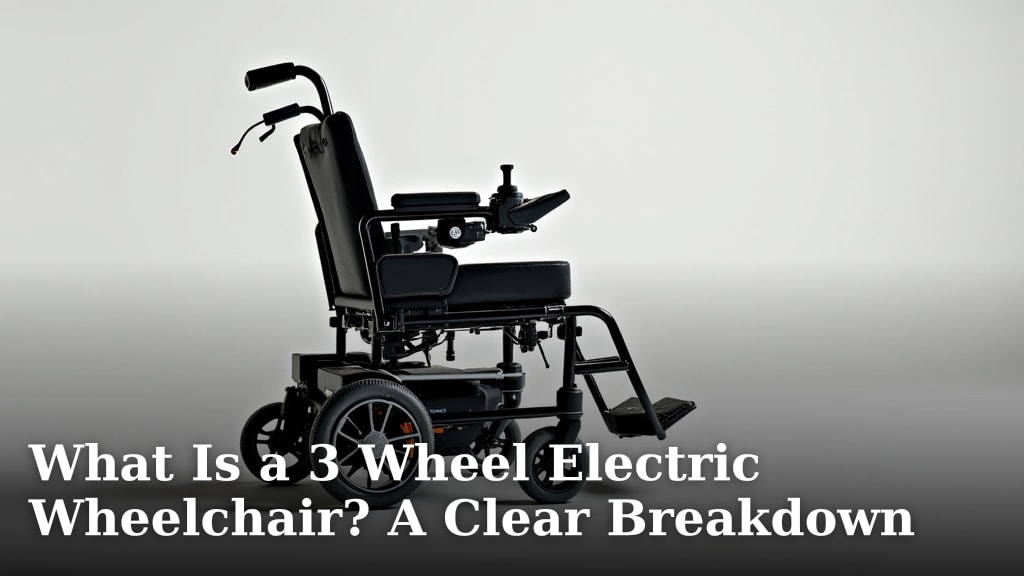
A 3 wheel electric wheelchair is a mobility device designed with three wheels, typically one in the front and two in the back. It’s powered by an electric motor and a rechargeable battery. This design often offers a tighter turning radius than four-wheeled models, making it easier to navigate indoor spaces. Think of it as a zippy scooter built for ease of movement.
Many people find these electric wheelchairs helpful for regaining independence. They are a fantastic option for those who have difficulty walking long distances or standing for extended periods. You’ll often see them used by individuals with mobility challenges looking for a reliable and comfortable way to get around their homes and communities. It’s all about making daily life a bit simpler.
- A 3 wheel electric wheelchair uses three wheels for mobility.
- It is powered by an electric motor and rechargeable battery.
- These chairs offer a small turning radius, great for tight spaces.
- They help people with mobility challenges gain independence.
Below, we’ll break down exactly what makes a 3 wheel electric wheelchair a great choice for many. Let’s get into the details.
“`htmlUnderstanding the Basics of a Three-Wheeled Electric Wheelchair
So, what exactly sets a 3 wheel electric wheelchair apart? It’s all about its unique design. Imagine a mobility device with one wheel upfront and two wheels at the back. This setup is powered by an electric motor, fed by a rechargeable battery. This isn’t just a way to get around; it’s a tool for greater independence and ease in your daily life.
Many people find these chairs incredibly helpful. They are designed for individuals who might struggle with walking long distances or standing for extended periods. The goal is simple: to make navigating your home and community more comfortable and less tiring.
The Advantages of a Three-Wheel Design
The main benefit of having three wheels, especially the typical 1+2 configuration, is its agility. Think about trying to turn a car in a tight parking spot. The fewer wheels you have to pivot around, the easier it can be. This is especially true for indoor environments.
Navigating Tight Spaces with Ease
The turning radius is a big deal here. A three-wheel electric wheelchair often boasts a much tighter circle than its four-wheeled counterparts. This means you can make sharper turns in narrow hallways or pivot around furniture with less effort. It makes maneuvering around your home or in crowded shops feel a lot less stressful. You can go places that might have felt challenging before.
Stability Considerations
While three-wheelers are agile, some users wonder about stability. Generally, these chairs are designed with a wide rear base for good balance. The placement of the two rear wheels helps keep the chair steady during normal use. Of course, like any mobility device, it’s important to operate it safely and within its intended use. You’ll find many models are engineered to provide a secure ride.
Key Components of Your Electric Wheelchair
Your 3 wheel electric wheelchair is a marvel of modern engineering, designed to be user-friendly. It’s made up of a few core parts that work together to give you mobility.
The Power Source: Batteries and Motors
At its heart, this chair is electric. It relies on a rechargeable battery pack to power the electric motor. These batteries are usually deep-cycle, meaning they’re built for repeated draining and recharging, just like you might find in a golf cart. The motor translates that battery power into motion, propelling you forward.
Battery Life and Charging
Battery life can vary greatly depending on the battery type, size, and how you use the chair. Factors like terrain, your weight, and how fast you’re going all play a role. Most manufacturers provide estimates for how long a full charge should last. Charging is typically straightforward, often involving plugging a charger directly into the chair or the battery pack itself. We found that many users get a full day’s use out of a single charge with moderate activity (Mayo Clinic).
The Control System: Joysticks and Speed
How do you tell your chair where to go? Usually, it’s with a joystick controller. This intuitive device allows you to steer and control your speed with simple hand movements. Push the joystick forward to go forward, pull it back to reverse, and move it left or right to turn. Many joysticks also have speed adjustment buttons, letting you set a comfortable pace.
Understanding Speed Settings
Most electric wheelchairs have variable speed settings. This is great because you can slow down in crowded areas or speed up a bit when you’re on a clear path. The top speed for most 3 wheel models is generally set to be safe for indoor and outdoor use, often around 3 to 5 miles per hour. This speed is comparable to a brisk walking pace, allowing you to keep up with others without feeling rushed (CDC).
Who Benefits Most from a 3 Wheel Electric Wheelchair?
These chairs are fantastic for a wide range of people. If you find yourself struggling with mobility, a three-wheeler could be a great option to consider.
Individuals with Walking Difficulties
If walking long distances is a challenge, or if you experience fatigue or pain when standing for long periods, an electric wheelchair can offer significant relief. It allows you to conserve your energy and still participate in activities. This can include things like going to the grocery store, visiting friends, or simply moving around your larger home more easily.
People Seeking Enhanced Independence
One of the biggest advantages is the boost in personal independence. When you don’t have to rely on others for transportation within your home or community, it can be incredibly empowering. You regain control over your schedule and your movements. This can lead to an improved quality of life and a greater sense of freedom.
Those Needing a Compact Mobility Solution
For individuals living in smaller homes or apartments, or those who travel frequently, the compact nature of many 3 wheel electric wheelchairs is a major plus. Their ability to turn in tight spaces makes them ideal for navigating smaller living areas. Some models are also designed to be more portable, although this varies.

Comparing Three-Wheelers to Other Options
It’s helpful to see how a 3 wheel electric wheelchair fits into the broader world of mobility devices. How does it stack up against other types you might encounter?
vs. Four-Wheel Electric Wheelchairs
The main difference, as we’ve touched on, is the turning radius. Four-wheel models often offer a wider base, which some users might perceive as more stable, especially on uneven outdoor terrain. However, they typically require more space to turn. Three-wheelers shine in indoor maneuverability and often have a slightly sportier feel.
vs. Mobility Scooters
This is where things can get a little blurry, as 3 wheel electric wheelchairs share similarities with mobility scooters. Often, the distinction comes down to the seating and overall design. Wheelchairs typically offer more supportive seating, sometimes designed for users who may need to spend more time in the chair. Scooters might be more focused on outdoor use and longer travel distances, though models vary widely. We found that many users choose based on whether they prioritize indoor agility or extended outdoor range (NIH).
Important Considerations Before You Buy
Making the decision to get an electric wheelchair is a big step. Taking the time to consider a few key points can help ensure you find the right fit for your needs.
Your Daily Environment
Think about where you’ll be using the chair most. Will it be mostly indoors, navigating tight corners in your home? Or will you be spending a lot of time outdoors on smooth sidewalks or slightly uneven paths? Your primary environment will heavily influence whether a 3 wheel design is the best choice. Indoor agility is where these models truly excel.
Weight Capacity and Dimensions
Always check the weight capacity of any electric wheelchair you’re considering. Ensure it’s well above your own weight to allow for safe operation. Also, consider the chair’s dimensions. Will it fit through your doorways? Can you store it easily? It’s a good idea to measure these spaces before you look at specific models.
Battery Range and Charging Needs
Consider your typical daily travel distance. How far do you usually go? You’ll want a chair whose battery range can comfortably cover your needs without constant recharging. Also, think about where and how you’ll charge it. Do you have a convenient outlet nearby? Understanding these practicalities is key.
Comfort and Ergonomics
You’ll likely be spending a good amount of time in your wheelchair. Therefore, comfort is paramount. Look at the seat cushioning, back support, and armrests. Can they be adjusted? Many models offer different seat sizes and styles. Trying out different chairs, if possible, can give you a real sense of what feels best for your body.
Service and Support
Finally, consider the availability of service and parts. Who will help if something goes wrong? Research the manufacturer’s warranty and their reputation for customer support. Knowing you can get help when you need it provides great peace of mind.
Here’s a quick checklist to help you think through your decision:
- Measure your doorways and common pathways.
- Estimate your average daily travel distance.
- Consider where you will charge the battery.
- Think about the type of terrain you’ll be on.
- Prioritize comfortable seating and back support.
- Research manufacturer warranties and support services.
Conclusion
As we’ve explored, a 3 wheel electric wheelchair offers a smart blend of agility and independence. Its unique three-wheel design makes maneuvering through tighter spaces much simpler. For many, it’s the key to regaining freedom in daily activities, whether at home or out in the community. When choosing, always consider your personal environment, comfort needs, and practicalities like battery range and charging. Taking these steps ensures you’ll find a device that truly supports your lifestyle and enhances your mobility.
Frequently Asked Questions
Are 3 wheel electric wheelchairs stable enough for outdoor use?
Yes, 3 wheel electric wheelchairs are designed with stability in mind, often featuring a wide rear base. While they excel indoors, many models are perfectly capable of safe outdoor use on smooth surfaces like sidewalks. Always operate within the manufacturer’s guidelines for terrain and speed.
How long do the batteries typically last on a 3 wheel electric wheelchair?
Battery life varies widely based on usage, terrain, and battery size. Many users find they can get a full day of moderate use out of a single charge. You’ll want to check the manufacturer’s estimated range for specific models and consider your typical daily travel distance.
Can a 3 wheel electric wheelchair fit through a standard doorway?
Most 3 wheel electric wheelchairs are designed to be compact, and many can fit through standard doorways. However, it’s essential to measure both your doorways and the chair’s dimensions before purchasing to ensure it will fit your home’s access points.
What is the difference between a 3 wheel electric wheelchair and a mobility scooter?
While both are electric mobility devices, wheelchairs often provide more supportive seating, which can be better for longer periods of use. Scooters might be geared more towards outdoor travel, though designs can overlap. The primary distinction often lies in the seating comfort and intended primary use.
How do I control the speed on a 3 wheel electric wheelchair?
You typically control the speed and direction using a joystick located on the armrest. Pushing the joystick in different directions moves the chair, and many joysticks also have buttons or a dial to adjust the speed setting. This allows for precise control, from slow maneuvering to a brisker pace.