What Is a 4 Wheel Electric Wheelchair? What Really Matters
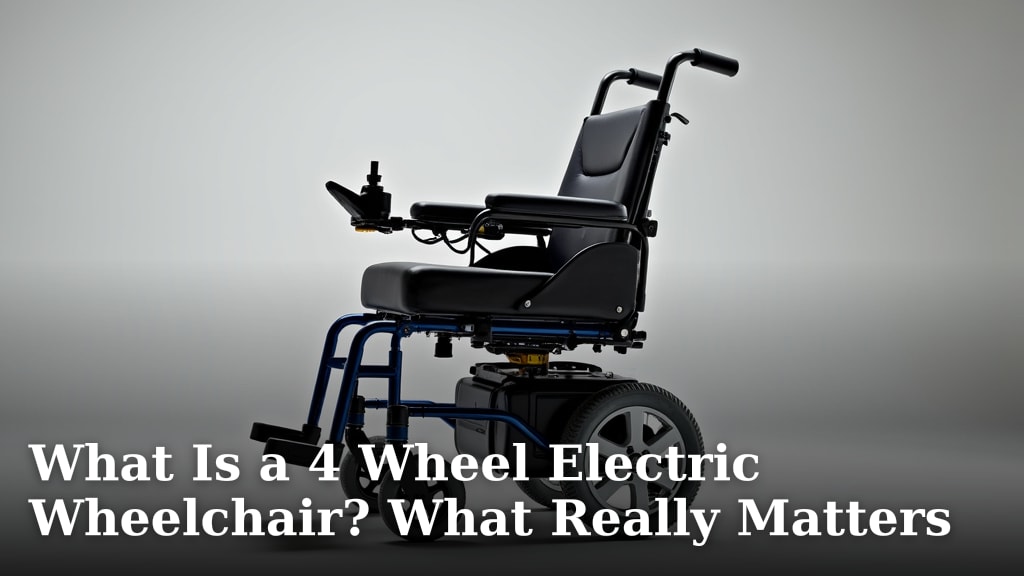
A 4 wheel electric wheelchair is a mobility device designed for individuals who need assistance with walking. It uses batteries to power its motors. This allows for independent movement without physical exertion. You’ll find these chairs offer great stability and maneuverability.
These electric wheelchairs are often called power chairs. They are a fantastic option for navigating various terrains. Many users find they provide a significant boost in their daily independence and comfort. We’ve seen how much they can improve quality of life for many people.
TL;DR:
- A 4 wheel electric wheelchair is a battery-powered mobility aid.
- It helps users move around easily and independently.
- These chairs offer excellent stability for different surfaces.
- They are a key tool for enhancing daily freedom.
Ready to learn what really matters when choosing one for yourself or a loved one? Let’s walk through what makes a 4 wheel electric wheelchair the right fit.
“`htmlUnderstanding Your 4 Wheel Electric Wheelchair Options
So, you’re looking into a 4 wheel electric wheelchair. These devices are often called power chairs. They offer a great way to get around independently. What really makes them tick? Let’s break down the basics.
Think of these chairs as your personal mobility vehicle. They use batteries to power motors that move the wheels. This means you don’t need to push yourself. It’s all about ease and getting where you want to go. You’ll find they’re built for stability.
Key Features That Matter Most
Wheels: The Foundation of Your Ride
The “4 wheel” in 4 wheel electric wheelchair tells you a lot. It means there are four points of contact with the ground. This design offers excellent stability. You won’t feel like you’re going to tip over easily. This is especially important if you use the chair outdoors or on uneven surfaces.
Most 4 wheel models have two larger rear wheels and two smaller front wheels. Some have all four wheels the same size. The wheel size and type affect how the chair handles different terrains. Larger, air-filled tires can smooth out bumps. Solid tires are more durable but might offer a bumpier ride.
Tire Types Explained
You’ll typically see two main types of tires: pneumatic and solid.
- Pneumatic tires are air-filled, like bicycle tires. They provide a smoother ride over rough surfaces. However, they can get flats and need regular inflation.
- Solid tires are made of solid rubber. They are maintenance-free and won’t go flat. The trade-off is a slightly less comfortable ride on very uneven ground.
Battery Power and Range: How Far Can You Go?
The battery is the heart of your electric wheelchair. It dictates how long you can use the chair on a single charge. This is often called the cruising range. It’s a super important factor for your daily life.
When you’re shopping, look at the battery capacity. This is usually measured in amp-hours (Ah). A higher Ah number generally means a longer range. But it’s not the only thing. The weight of the user and the terrain also play a role.
We found that many chairs offer a range of 10 to 20 miles on a full charge. Some high-end models can go even further. Always check the manufacturer’s specifications. They often give an estimated range under specific conditions. This helps you understand what to expect for your daily travel.
Weight Capacity: How Much Can It Hold?
Every power chair has a maximum weight capacity. This is the total amount of weight the chair can safely support. This includes the user’s weight plus any added items like bags or accessories. It’s absolutely vital that you do not exceed this limit.
Exceeding the weight capacity can damage the chair. It can also affect its performance and safety. Always choose a chair that comfortably exceeds your current needs. This leaves room for future changes or carrying extra items. Many chairs support between 250 to 400 pounds. Some heavy-duty models can carry much more.
Comfort and Seating: Where You’ll Spend Your Time
You’ll be spending a lot of time in your electric wheelchair. So, comfort is key! The seat is where you’ll sit, so it needs to be just right. Look for features that support your body well.
Consider the seat width and depth. They need to fit you comfortably. Too tight, and it’s uncomfortable. Too loose, and you might slide around. Many chairs offer adjustable armrests and footrests. These can be adjusted to your height and preference.
Think about the cushioning. Some chairs come with basic padding. Others offer more advanced, pressure-relieving cushions. These can be a game-changer for preventing sores, especially if you have limited mobility. We found that many experts recommend seeking out chairs with good lumbar support.
Maneuverability and Turning Radius: Navigating Your World
How easily can the chair turn around in tight spaces? This is its turning radius. A smaller turning radius means you can navigate tighter areas. This is super important for indoor use. Think about doorways, bathrooms, and kitchens.
The 4 wheel design generally offers good stability. But how it turns can vary. Some models are designed for excellent maneuverability. Others might be more geared towards outdoor stability on varied terrain. If you live in a smaller home or spend a lot of time indoors, pay close attention to this spec.
We found that front-wheel-drive chairs often have a tighter turning radius. Rear-wheel-drive chairs might offer better traction outdoors. Mid-wheel-drive chairs provide a balance of both. It really depends on where you’ll use the chair the most.

Making the Right Choice for You
Indoor vs. Outdoor Use: Where Will You Go?
Your primary environment matters a lot. Will you mainly use the chair indoors? Or will you be venturing outside frequently? This decision will guide many of your choices.
For indoor use, prioritize a For indoor use, prioritize a mid wheel drive chair and a compact size.tight turning radius and a compact size. You’ll want something that can navigate hallways and doorways easily. Smooth, non-marking tires are a plus here. For outdoor use, you’ll want larger, more robust tires. Suspension can also make a big difference on bumpy paths or uneven ground. Many experts at the Cleveland Clinic suggest looking for chairs with good ground clearance for outdoor travel.
Controls and Ease of Use: How Do You Steer?
Most electric wheelchairs use a joystick for steering. These are usually mounted on the armrest. You move the joystick in the direction you want to go. Some joysticks are more sensitive than others. You can often adjust the speed and sensitivity settings.
If you have limited hand or arm mobility, there are other options. Some chairs can be controlled with chin controls, head arrays, or even sip-and-puff systems. We found that it’s crucial to try out the controls if possible. You want them to feel natural and easy for you to operate. Your independence depends on being able to control the chair confidently.
Portability and Disassembly: Can You Travel With It?
Some electric wheelchairs are designed to be taken apart. This makes them easier to transport in a car. They typically break down into several lighter pieces. This is a great feature if you travel often or need to store the chair.
However, many 4 wheel electric wheelchairs are quite heavy. They are not meant to be disassembled easily. If portability is a major concern, you might look at travel-specific power chairs. These are often lighter and more compact. Always check the weight of the heaviest piece if disassembly is a factor. You want to be sure you or someone else can manage it.
Your Daily Checklist for Choosing a Power Chair:
- Stability: Does it feel secure on various surfaces?
- Range: Will the battery last for your typical day?
- Comfort: Is the seat supportive and ergonomic for long periods?
- Maneuverability: Can it easily navigate your home and surroundings?
- Weight Capacity: Does it safely exceed your needs?
- Controls: Are the joystick or other controls easy for you to use?
Conclusion
Choosing a 4 wheel electric wheelchair means investing in your independence and comfort. You’ve learned that key features like tire type, battery range, and weight capacity directly impact your daily experience. Don’t forget to consider the comfort of the seating and how easily the chair maneuvers in your environment. Make sure the controls feel intuitive for you. Taking the time to match these features to your lifestyle is essential. Your next step is to start researching models that fit your specific needs and consider trying one out if possible.
Frequently Asked Questions
What’s the biggest difference between a 4 wheel electric wheelchair and other types?
A 4 wheel electric wheelchair offers superior stability on various surfaces compared to 3 wheel models. This makes them ideal if you plan to use your chair outdoors or on uneven ground. They generally provide a more secure feel without sacrificing too much maneuverability.
How do I know if the battery range is enough for me?
Consider your typical daily activities. How far do you usually travel from home? Look for a chair with a stated range that comfortably exceeds your longest anticipated trip. Many manufacturers provide estimated ranges based on average use, which can help you gauge what you’ll need.
Can I really use a 4 wheel electric wheelchair indoors easily?
Yes, many 4 wheel models are designed for indoor use. Pay close attention to the turning radius, which determines how easily the chair can navigate tight spaces like doorways and hallways. Some mid-wheel drive models offer a good balance for both indoor and outdoor use.
Is it important to get a chair with more weight capacity than I need?
Absolutely. Choosing a chair with a weight capacity well above your current needs provides a safety margin. It also accounts for carrying items like groceries or bags. Exceeding the stated weight capacity can damage the chair and compromise your safety.
What if I have trouble using a standard joystick control?
You’re not limited to standard joysticks. If hand mobility is a concern, many manufacturers offer alternative controls. These can include head arrays, chin controls, or even sip-and-puff systems. It’s important to discuss these options with a mobility specialist to find the best fit for your abilities.