What Is a Bariatric Electric Wheelchair? The Real Answer
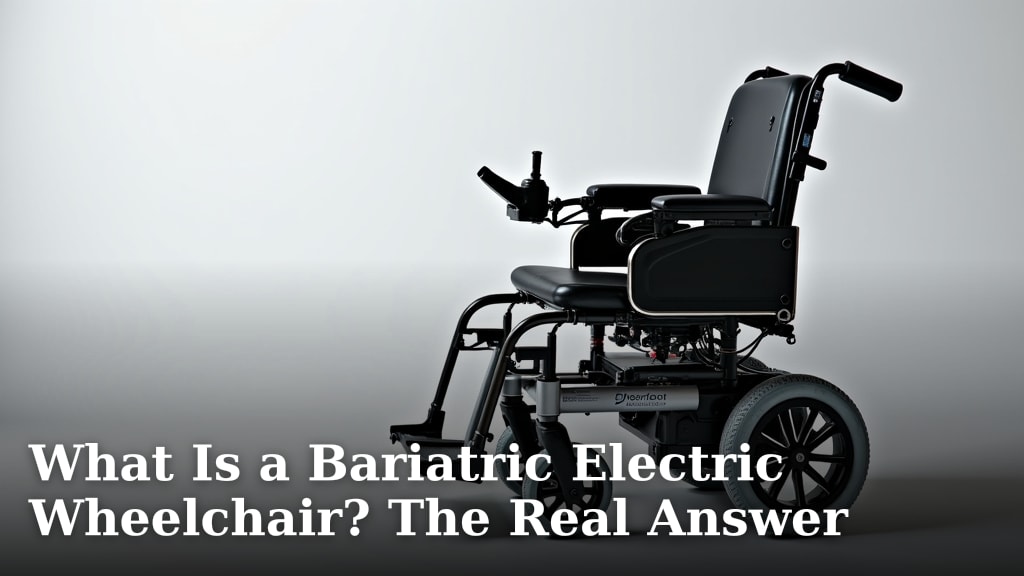
A bariatric electric wheelchair is a heavy-duty mobility device designed to safely support a much higher weight capacity than standard power chairs. These chairs are engineered with reinforced frames and more powerful motors to provide reliable mobility for individuals who need extra support. They offer a sturdy and comfortable seating solution for those who require a more robust mobility option.
When looking for a bariatric electric wheelchair, it’s important to understand their specific features. They often come with wider seats and reinforced armrests for added comfort and stability. Many models also boast enhanced battery life and more durable components to handle the increased demands. Finding the right one means ensuring it meets your personal weight requirements and mobility needs.
- A bariatric electric wheelchair is built for higher weight capacities.
- It features a reinforced frame and stronger motor.
- Expect wider seats and more durable construction.
- These chairs offer reliable mobility for larger individuals.
- Proper selection ensures both safety and comfort.
Now, let’s break down what makes these chairs different and how you can find the perfect one for your needs.
Understanding Bariatric Electric Wheelchairs
So, what exactly is a bariatric electric wheelchair? Simply put, it’s a powered mobility device built to carry more weight than a standard electric wheelchair. Think of it like a heavy-duty truck compared to a regular car. These chairs are specifically designed for individuals who need extra support and a higher weight capacity.
The Core Differences: More Than Just Size
The most obvious difference is the weight capacity. Standard electric wheelchairs typically support up to 300 pounds. Bariatric models, on the other hand, can often handle 400, 500, or even 600 pounds and beyond. This increased capacity isn’t just about making the chair bigger; it’s about reinforcing every component.
Reinforced Frame and Drivetrain
The frame is the backbone of any wheelchair. For bariatric models, this frame is made from stronger, thicker materials. We’re talking about robust steel or heavy-duty aluminum alloys. This ensures the chair can withstand more stress without bending or breaking. The motors are also more powerful. They need that extra muscle to move a heavier load smoothly and efficiently, especially when navigating inclines or uneven terrain.
Enhanced Seating and Comfort
Seating is another major consideration. Bariatric wheelchairs usually feature wider and deeper seats. This provides more space and comfort for larger individuals. The cushions are often thicker and more supportive, designed to prevent pressure sores and offer better weight distribution. Armrests are also typically wider and more heavily padded. Some models even offer specialized seat options to further enhance comfort and usability.
Why Choose a Bariatric Electric Wheelchair?
The decision to get a bariatric electric wheelchair usually stems from a need for reliable and safe mobility when standard options won’t suffice. If you or a loved one has mobility challenges and a weight that exceeds the limits of typical power chairs, a bariatric model becomes a necessity.
Safety First
Safety is the primary driver. Exceeding a wheelchair’s weight limit can lead to instability, component failure, and accidents. A bariatric chair is engineered to provide stability and security for its intended weight range. This means you can move around with greater confidence and independence, knowing the equipment is designed to support you safely.
Restoring Independence
Mobility is closely linked to independence. When you can’t easily get around, daily tasks can become challenging. A bariatric electric wheelchair can help you regain that lost independence. You can navigate your home, visit friends, go to the grocery store, or enjoy outings with less reliance on others. It’s about having the freedom to live your life more fully.
Comfort for Everyday Use
Beyond safety, comfort is key for daily use. You’ll be spending a good amount of time in your wheelchair. A bariatric model offers a more comfortable seating experience, reducing fatigue and discomfort. This allows for longer periods of activity and engagement throughout the day. A well-designed seat can make a huge difference in your overall well-being.
| Feature | Standard Electric Wheelchair | Bariatric Electric Wheelchair |
|---|---|---|
| Weight Capacity | Typically up to 300 lbs | Often 400-600+ lbs |
| Frame Construction | Standard duty materials | Heavy-duty steel or reinforced alloys |
| Motor Power | Standard | More powerful motors |
| Seat Width & Depth | Standard dimensions | Wider and deeper seats |
| Durability | Built for average use | Enhanced durability for heavier loads |
| Suspension | Basic | Often enhanced for smoother ride |
What to Look for in a Bariatric Electric Wheelchair
Choosing the right bariatric electric wheelchair involves considering several important factors. It’s not a one-size-fits-all situation. Your personal needs and preferences play a big role in finding the best fit.
Weight Capacity: The Most Critical Factor
First and foremost, you need to determine the exact weight capacity you require. Always choose a chair that can safely support your weight with some room to spare. It’s better to have a little extra capacity than to be right at the limit. Always check the manufacturer’s specifications carefully. For example, guidelines from organizations like the Rehabilitation Engineering and Assistive Technology Society of North America (RESNA) emphasize proper device selection based on user needs and weight.
Seat Dimensions and Comfort Features
Beyond just width, consider the depth and height of the seat. Is it comfortable for long periods? Are there options for adjustable backrests or headrests? Look for features like contoured seating or memory foam cushions if you have specific comfort needs. Many experts recommend a seat that allows your feet to rest flat on the floor or a footplate.
Maneuverability and Turning Radius
Even though these chairs are built for heavier loads, maneuverability is still important. Can you navigate tight spaces in your home or at the store? Check the turning radius of the model you’re considering. Some bariatric models are designed to be more agile than others. Think about where you’ll be using the chair most often.
Battery Life and Range
A powerful chair needs adequate power. Ensure the battery life is sufficient for your daily activities. How far do you typically travel in a day? Look for specifications on the maximum travel range on a full charge. Also, consider how long it takes to recharge the batteries.
Durability and Build Quality
You want a chair that will last. Inspect the overall build quality. Are the materials robust? Do the wheels and tires seem sturdy? Read reviews from other users to get a sense of the long-term durability. A well-built bariatric wheelchair is an investment in your mobility and independence.
Ease of Operation and Controls
How easy is it to operate the joystick or control system? Many bariatric chairs offer intuitive controls. If you have limited hand strength or dexterity, look for models with ergonomic joysticks or alternative control options. Ease of use directly impacts your ability to operate the chair independently.
Serviceability and Parts Availability
It’s wise to consider how easy it will be to get the chair serviced or repaired if needed. Are replacement parts readily available? Choosing a reputable brand often means better support and easier access to **maintenance services**.
Checklist for Choosing Your Bariatric Wheelchair
- Confirm your exact weight and add a buffer.
- Measure your seating space needs (width, depth).
- Consider where you’ll use it most (indoors/outdoors).
- Check the battery range for your typical daily travel.
- Read reviews on durability and ease of use.
- Inquire about warranty and service options.
Conclusion
Choosing a bariatric electric wheelchair is a big step toward regaining your mobility and independence. You’ve learned that these chairs are specifically engineered for higher weight capacities, featuring reinforced frames and stronger motors for safety and reliability. We’ve also seen how enhanced seating and durable construction provide the comfort you need for daily life. Now that you understand the key differences and what to look for, your next step is to assess your specific needs. This includes your weight, the spaces you’ll navigate, and how far you need to travel daily. Taking these factors into account will help you find the perfect bariatric electric wheelchair that supports you safely and comfortably.
Frequently Asked Questions
What is the main difference between a bariatric and a standard electric wheelchair?
The primary difference is weight capacity. Standard electric wheelchairs typically support up to 300 pounds, while bariatric models are built to safely handle much higher weights, often 400, 500, or even 600 pounds and beyond. This means bariatric chairs have stronger frames, more powerful motors, and more robust construction throughout.
Are bariatric electric wheelchairs harder to maneuver?
While they are built for heavier loads, maneuverability varies by model. Some bariatric chairs are designed with advanced suspension and turning radius features to make them surprisingly agile. It’s important to check the specifications for the turning radius and consider where you will use the chair most often when making your choice.
How much should I factor in for extra weight capacity when choosing?
It’s always recommended to choose a chair with a weight capacity that comfortably exceeds your actual weight. Experts suggest adding a buffer of at least 50 pounds to your current weight. This ensures the chair operates safely and efficiently without being pushed to its maximum limit, contributing to its longevity.
Can I use a bariatric electric wheelchair outdoors as well as indoors?
Many bariatric electric wheelchairs are designed for both indoor and outdoor use. They often feature more durable tires and enhanced suspension systems to handle varied terrains. Always check the manufacturer’s specifications regarding terrain suitability and consider your typical travel patterns.
What kind of warranty and service can I expect for a bariatric electric wheelchair?
Reputable manufacturers typically offer warranties on the frame, motor, and electronics. It’s wise to inquire about the length of these warranties and what they cover. Good brands also provide accessible service and repair options, ensuring you can get support if your chair needs maintenance.