What Is a Heavy Duty Electric Wheelchair? What It Looks Like
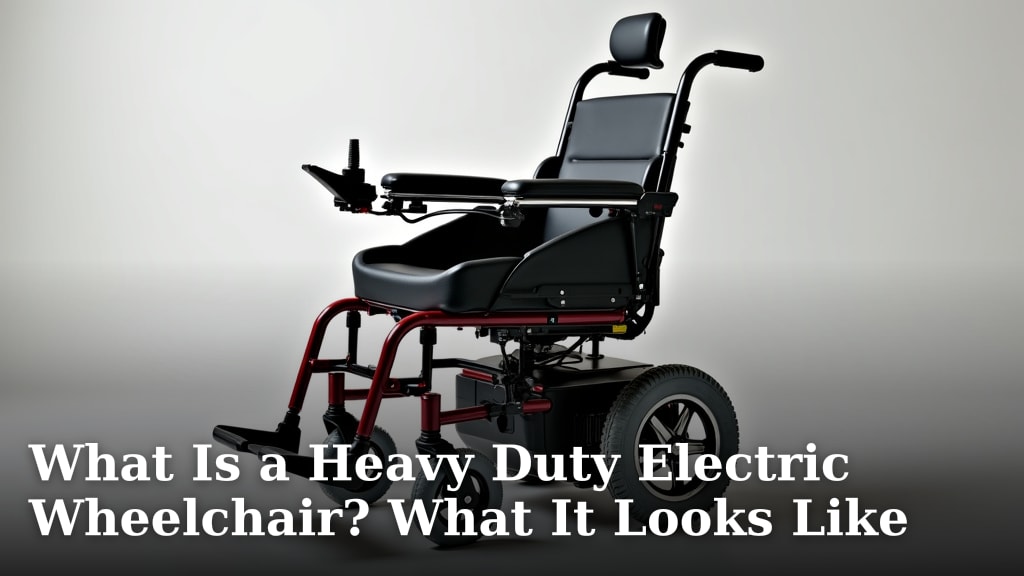
A heavy duty electric wheelchair is designed for users who need a more robust and supportive mobility solution. These chairs are built to handle higher weight capacities and often feature stronger frames, more powerful motors, and enhanced suspension systems. They are engineered for durability and reliability, making them suitable for individuals who spend a lot of time in their chair or require extra stability.
Unlike standard models, heavy duty wheelchairs look and feel more substantial. You’ll notice a beefier construction and often a wider seat base for added comfort and support. Many come with features like larger, more durable wheels and advanced battery systems to provide longer range and dependable performance throughout your day. They are a dependable choice for those who need more than a basic mobility aid.
- What a heavy duty electric wheelchair is.
- Its key features and design differences.
- Why it’s built for extra support.
- What it looks like in general.
Let’s walk through exactly what makes these chairs different and what you can expect when looking for one.
Understanding Heavy Duty Electric Wheelchairs
So, what exactly makes an electric wheelchair “heavy duty”? It’s all about enhanced capacity and durability. These chairs are built for individuals who need more support than a standard model can provide. Think of them as the SUVs of the wheelchair world – built tough for varied terrains and heavier loads.
What Does “Heavy Duty” Mean in Wheelchair Terms?
When we talk about heavy duty, we’re primarily referring to the weight capacity. Standard electric wheelchairs often top out around 250-300 pounds. Heavy duty models can typically support 350 pounds and go much higher, sometimes up to 500, 600, or even 700 pounds. This higher limit means they’re constructed with stronger materials.
Key Design Differences You’ll See
You’ll notice that heavy duty electric wheelchairs look and feel more substantial. This isn’t just about aesthetics; it’s about engineering for increased load-bearing. They often feature a reinforced frame and more robust components throughout. This ensures they can handle the extra weight safely and reliably over time.
The motors are usually more powerful, too. This extra oomph helps the chair perform better, especially when carrying heavier loads or navigating inclines. It’s like having a stronger engine in your vehicle. You get better performance and less strain on the equipment.
What Does a Heavy Duty Electric Wheelchair Look Like?
Visually, a heavy duty electric wheelchair stands out from its lighter counterparts. They often appear bulkier and more solid. This robust appearance is a direct result of their reinforced construction and larger components designed for strength and stability.
Frame and Chassis Construction
The frame is typically made from thicker, stronger metals, like reinforced steel or high-grade aluminum alloys. This provides a solid foundation. You won’t find flimsy tubing here; it’s built to last and endure. The entire chassis feels more rigid and secure.
Seat and Comfort Features
The seating on heavy duty models is designed for both comfort and support. Seats are often wider and deeper than standard chairs. They might feature thicker cushioning and enhanced lumbar support. Some come with specialized, contoured cushions to distribute weight evenly and prevent pressure sores. You might also find options for adjustable headrests and armrests for personalized comfort.
Many heavy duty wheelchairs offer options for larger, more supportive seating. This is crucial for individuals who spend significant time seated. The goal is to provide a comfortable and safe seating experience for longer periods, reducing discomfort and fatigue.
Wheels, Tires, and Suspension
The wheels on these chairs are usually larger and more durable. You’ll often find 12-inch or 14-inch rear wheels, sometimes even larger. These provide better traction and make navigating varied surfaces easier. Think about outdoor paths, grass, or uneven pavement – larger wheels handle these better.
Tires can be pneumatic (air-filled) or solid. Pneumatic tires offer a smoother ride by absorbing shocks. Solid tires are more maintenance-free and less prone to punctures. Many heavy duty models also incorporate advanced suspension systems. This could include spring-based shock absorbers, similar to those in a car. This greatly improves ride comfort, especially on bumpy terrain.
| Feature | Standard Electric Wheelchair | Heavy Duty Electric Wheelchair |
|---|---|---|
| Weight Capacity | Typically 250-300 lbs | Typically 350-700+ lbs |
| Frame Construction | Lighter materials, standard tubing | Reinforced steel or heavy-grade aluminum |
| Seat Size | Standard width and depth | Wider, deeper, often more contoured |
| Wheel Size | Smaller rear wheels (e.g., 10-12 inches) | Larger rear wheels (e.g., 12-14+ inches) |
| Suspension | Basic or none | Enhanced, often spring-based shock absorption |
| Overall Appearance | Sleeker, lighter build | Bulkier, more robust, substantial |
Controls and Electronics
The joystick controller is usually robust and easy to operate. Many heavy duty models offer different joystick types or configurations to suit individual needs. The electronics are designed to be reliable and power larger motors and potentially more features.
Battery systems are also beefed up. You’ll find larger, higher-capacity batteries. This translates to longer range on a single charge. If you need to travel further or spend a full day out without worrying about recharging, this is a key feature.
Why Are They Built This Way?
The fundamental reason for this robust design is to provide reliable mobility and safety for users who require extra support. It’s not just about accommodating a higher weight; it’s about ensuring the chair functions optimally under stress.
Support for Higher Weight Capacities
As mentioned, the primary driver is weight capacity. When a chair is designed to hold more weight, every component needs to be stronger. This includes the frame, axles, motors, and even the seating material. Think about the physics involved: more mass requires more robust engineering to move and support it safely.
Enhanced Durability and Longevity
Heavy duty construction leads to greater durability. These chairs are built to withstand more rigorous use. If you depend on your wheelchair daily, for long hours, or over various terrains, a heavy duty model is likely to last longer and require fewer repairs than a standard chair. It’s an investment in consistent mobility.
Improved Stability and Safety
The wider stance, stronger frame, and larger wheels contribute to improved stability. This is crucial for preventing tip-overs, especially when turning or on uneven ground. Enhanced braking systems are also common, providing reliable stopping power. Safety is always the top priority, and heavy duty designs prioritize this through their very construction.
Many guidelines from organizations like the Rehabilitation Engineering and Assistive Technology Society of North America (RESNA) highlight the importance of appropriate weight capacity and stability for safe wheelchair use.

Checklist: What to Look For in a Heavy Duty Electric Wheelchair
When you’re exploring heavy duty options, keep these points in mind:
- Confirm the weight capacity meets your needs and then some.
- Inspect the frame for robust construction.
- Evaluate seat comfort and adjustability features.
- Check the wheel size and tire type for your typical environments.
- Inquire about battery range and charging times.
- Look for enhanced suspension for a smoother ride.
Conclusion
You’ve learned that a heavy duty electric wheelchair is built for strength and support. It offers a higher weight capacity and a more robust construction than standard models. Key visual cues include a beefier frame, larger wheels, and often wider, more cushioned seating. These chairs are engineered for durability and enhanced stability, ensuring reliable mobility for your daily needs. When choosing one, focus on matching its capacity and features to your lifestyle. Your next step is to research models that fit your specific requirements and consult with a mobility specialist.
Frequently Asked Questions
Can a heavy duty electric wheelchair be used outdoors on rough terrain?
Yes, heavy duty electric wheelchairs are generally better equipped for outdoor use. Their larger wheels, enhanced suspension, and sturdier frames help them navigate varied surfaces like grass, gravel, and uneven pavement more effectively than standard chairs. Always check the manufacturer’s specifications for terrain suitability.
How do the batteries on a heavy duty wheelchair differ from a standard one?
Heavy duty electric wheelchairs typically come with larger, higher-capacity batteries. This means they can support the more powerful motors and offer a longer travel range on a single charge, which is essential for users who need to be mobile for extended periods without frequent recharging.
Are heavy duty electric wheelchairs harder to maneuver in tight spaces?
While they are built sturdier, many heavy duty models are designed with maneuverability in mind. Some may have a slightly larger turning radius due to their robust construction, but advancements in joystick controls and motor technology help users navigate indoor environments effectively. It’s wise to test maneuverability if possible. It’s wise to test maneuverability if possible, especially when considering a mid wheel drive wheelchair for indoor navigation.
What makes the seating on a heavy duty wheelchair different?
The seating on heavy duty models is designed for superior comfort and support. You’ll often find wider and deeper seats with thicker cushioning to distribute weight evenly and reduce pressure points. Some also include enhanced lumbar support and options for specialized contoured cushions for longer sitting periods.
How much heavier are heavy duty electric wheelchairs compared to standard models?
Heavy duty electric wheelchairs are significantly heavier due to their reinforced frames, larger motors, and more substantial components. This increased weight contributes to their stability and durability. While this can make them less portable, it’s a trade-off for their enhanced performance and weight capacity.