What Is a Three Wheel Mobility Scooter? The Plain Facts
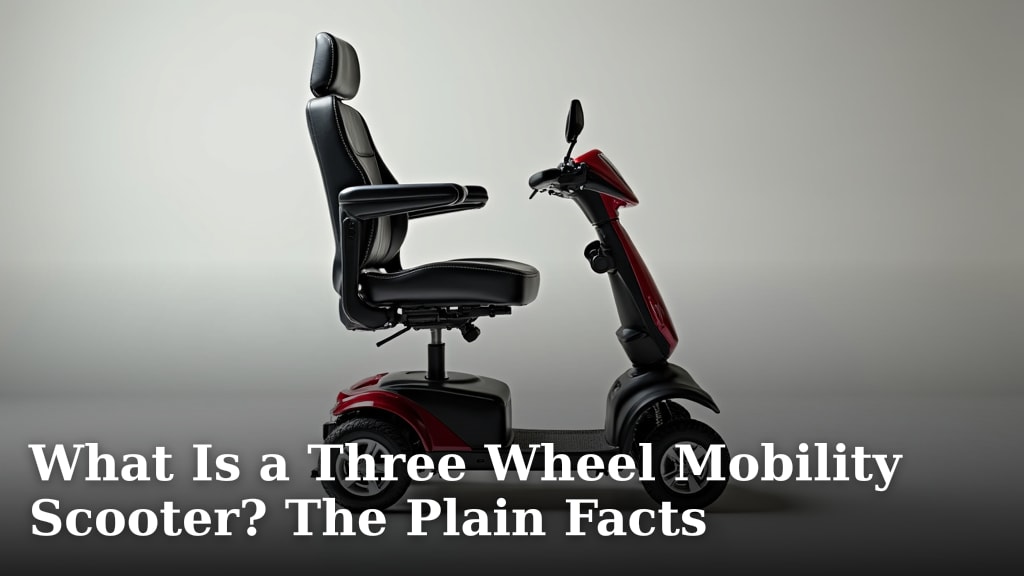
A three wheel mobility scooter is a personal electric vehicle designed to help individuals with limited mobility navigate their surroundings. These scooters typically feature a tiller for steering, a seat, and a platform for your feet. They offer a stable and convenient way to maintain independence for many users, making them a popular choice.
Think of them as a helpful buddy for getting around. They are designed for ease of use and can be a fantastic tool for regaining freedom. Many people find them much simpler to operate than a car and more effective for shorter trips than walking. We’ve seen how they can truly improve daily life for so many.
- A three wheel mobility scooter is an electric vehicle for easier travel.
- It has a steering handle, seat, and footrest.
- It’s designed for stability and convenience.
- These scooters help people with mobility challenges stay independent.
- They offer a practical solution for getting around.
Let’s get into the plain facts about what makes these scooters tick and if one might be the right fit for you. We’ll cover everything from how they work to what you should consider before buying.
Understanding Your Three-Wheel Mobility Scooter Options
A three-wheel mobility scooter is a personal electric vehicle. It helps people with limited mobility get around more easily. Think of it as a powered scooter with a steering column, a seat, and a place for your feet. It offers a stable way to keep your independence. Many find them easier to use than walking long distances.
How Does a Three-Wheel Mobility Scooter Work?
These scooters are powered by rechargeable batteries. You charge them up, typically overnight. A motor then drives one or more wheels. You control the speed and direction with a lever or throttle. Steering is done using a tiller, which is like a handlebar. Most have a comfortable seat you can swivel around. A flat platform is there for your feet. They are designed for smooth operation on flat surfaces.
Key Components and How They Function
You’ll find a few main parts on any three-wheel scooter. The battery is the power source. The motor provides the movement. The tiller helps you steer. The seat offers comfort for sitting. The wheels give you traction and support. The throttle controls your speed. Many also have lights and a horn for safety.
Powering Your Scooter: Batteries and Charging
The heart of your scooter is its battery. Most use sealed lead-acid or lithium-ion batteries. These are rechargeable. You’ll get a charger with your scooter. Simply plug it into a wall outlet and connect it to your scooter. Charging times can vary. It’s often best to charge it fully each night. This ensures you have power for the day’s travel (Consumer Product Safety Commission).
Steering and Control: The Tiller and Throttle
The tiller is your steering wheel. You move it left or right to change direction. Most tillers have controls for speed and power. You’ll often find a lever or dial for acceleration. A key switch turns the scooter on and off. Many models also have a button for a horn. Safety is a big consideration in their design.
The Three-Wheel Advantage: Why Choose This Design?
Scooters with three wheels are known for their maneuverability. They can turn in a tighter space than four-wheel models. This makes them great for navigating tight indoor areas. Think of navigating narrow grocery store aisles or small rooms in your home. The tighter turning radius is a major plus for many users.
Who Can Benefit from a Three-Wheel Mobility Scooter?
Anyone who finds walking difficult can benefit. This includes people with arthritis, balance issues, or conditions affecting stamina. If you get tired easily when walking, a scooter can help. It can allow you to maintain your active lifestyle. It helps you visit friends or run errands without feeling exhausted.
Common Conditions Addressed by Mobility Scooters
Many people use these scooters due to chronic conditions. These can include multiple sclerosis, Parkinson’s disease, or COPD. Even temporary injuries can make walking tough. A scooter can provide a bridge until you recover. It’s a tool for maintaining independence when mobility is challenged (National Institutes of Health).
Maintaining Independence and Social Engagement
Mobility scooters give you back freedom. You can go to the park, visit family, or shop. This helps you stay connected with your community. Not needing someone to help you for every trip can boost your confidence. It’s about having more control over your day. Social isolation can be a real problem when mobility is limited. A scooter can help combat that.
Key Features to Look For in a Three-Wheel Scooter
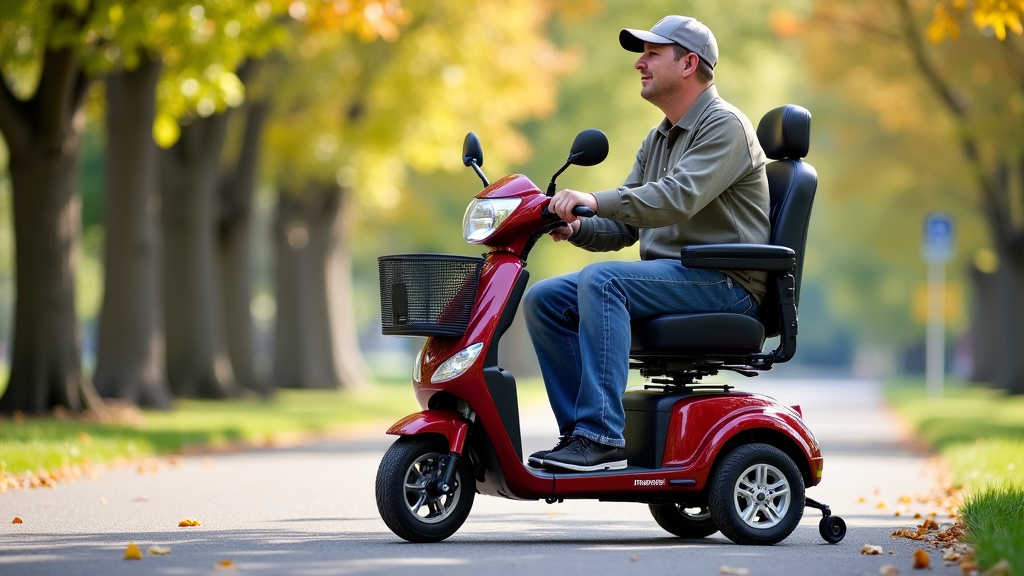
When looking at scooters, several features matter. Consider the weight capacity. Make sure it can safely support your weight. Think about how far you need to travel. Check the battery range per charge. Maneuverability is also key, especially for indoor use.
Comfort and Ergonomics: Seat and Controls
The seat is where you’ll spend your time. Look for one that is padded and adjustable. A swiveling seat makes getting on and off easier. Armrests can provide extra support. Controls should be easy to reach and operate. Some scooters have adjustable tillers, which helps find a comfortable position.
Performance and Durability: Speed, Range, and Weight Capacity
Speeds typically range from 3 to 5 miles per hour. This is about walking pace. Battery range can be from 10 to 30 miles on a single charge. This depends on the battery size and your weight. Always check the maximum weight capacity. This is usually listed clearly by the manufacturer.
Portability and Storage: Is it Easy to Transport?
Some scooters are designed to be easily disassembled for transport. This is helpful if you want to take it in your car. Others are heavier and more permanent. Consider how you’ll get it into your car if needed. If you plan to travel with it, look for a lightweight and portable model.
| Feature | Typical Range | What to Consider |
|---|---|---|
| Top Speed | 3-5 mph | Walking pace, good for sidewalks. |
| Battery Range | 10-30 miles | How far can you go on one charge? |
| Weight Capacity | 250-400 lbs | Must support your weight safely. |
| Turning Radius | Short | Excellent for tight indoor spaces. |
| Tire Type | Solid or pneumatic | Solid tires are maintenance-free. Pneumatic offer a softer ride. |
Safety Features You Shouldn’t Overlook
Safety is always a top priority. Look for scooters with good braking systems. Lights and reflectors help you be seen. A horn is useful for alerting others. Many scooters have anti-tip wheels for added stability. Always read the owner’s manual for safe operation guidelines.
Making the Right Choice for Your Needs
Choosing a scooter is personal. Think about where you’ll use it most. Will it be mostly indoors or outdoors? How far do you typically travel? What is your budget? Trying out different models can be very helpful. Many stores let you test drive them. Don’t be afraid to ask questions.
A Quick Checklist for Your Scooter Search
- Weight Capacity: Does it fit your needs?
- Battery Range: Will it last for your trips?
- Comfort: Is the seat and tiller comfortable for you?
- Maneuverability: Can you turn easily where you need to?
- Portability: Can you transport it if needed?
- Safety Features: Does it have the basics like lights and brakes?
Conclusion
You’ve learned that a three-wheel mobility scooter is a practical tool for regaining independence. They offer stability and maneuverability, making it easier to navigate your home and community. Remember to consider key features like weight capacity, battery range, and comfort when choosing the right model for your lifestyle. Think about where you’ll use it most and your personal needs. Taking these steps will help you find a scooter that truly supports your active life.
Your next step is to research specific models that fit your needs and, if possible, try one out. This hands-on experience is the best way to ensure it feels right for you.
Frequently Asked Questions
Are three-wheel mobility scooters safe for outdoor use?
Yes, three-wheel scooters are generally safe for outdoor use on smooth, paved surfaces. They are designed for stability, but it’s important to be aware of your surroundings and avoid rough terrain or steep inclines. Always check the manufacturer’s guidelines for safe operating conditions.
How far can a three-wheel mobility scooter typically travel on a single charge?
The travel range varies by model and battery size, usually between 10 to 30 miles on a full charge. Factors like your weight, terrain, and how you operate the scooter can affect the actual distance. It’s wise to choose a scooter with a range that comfortably exceeds your typical daily travel needs.
What is the average speed of a three-wheel mobility scooter?
Most three-wheel mobility scooters travel at speeds between 3 to 5 miles per hour. This is comparable to a brisk walking pace. This speed is ideal for navigating sidewalks, indoor spaces, and allowing you to keep up with companions without being too fast.
Can I take my three-wheel mobility scooter on public transportation?
Some three-wheel scooters are designed to be lightweight and portable, making them easier to transport on buses or trains. However, it depends on the specific scooter model and the transportation provider’s regulations. Always check the dimensions and weight of the scooter against the transit company’s requirements.
How much maintenance do three-wheel mobility scooters require?
Three-wheel scooters require relatively little maintenance. Regular charging of the batteries is essential. You should also periodically check tire pressure if they are pneumatic and keep the scooter clean. Following the manufacturer’s maintenance schedule in your owner’s manual is recommended.