What Is an Electric Wheelchair Motor? The Plain Facts
Understanding the Electric Wheelchair Motor
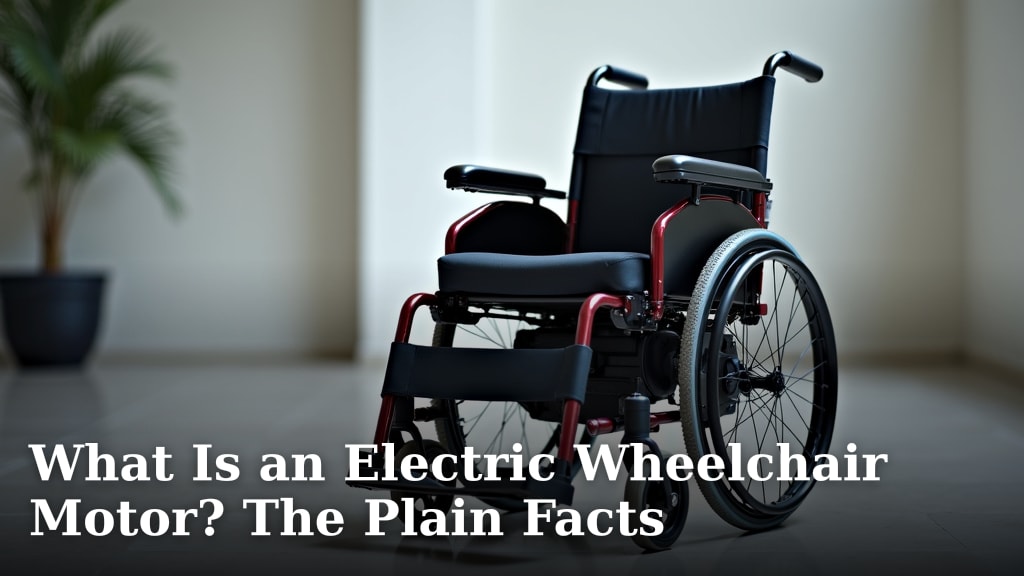
An electric wheelchair motor is the powerful engine that makes your wheelchair move. Think of it as the heart of your mobility device. It converts electrical energy from the battery into the physical force needed to turn the wheels. This simple but vital component is what gives you the freedom to move independently. Without a reliable motor, even the best chair won’t take you anywhere.
How Your Wheelchair’s Motor Actually Works
The process is straightforward. When you push the joystick, you send a command to a controller. This controller then draws power from your battery and sends it to the motor. The motor spins, creating rotational force. Gears inside the motor housing transfer this force to the wheels. It’s a clean, efficient chain of events. We found that most modern systems are designed for smooth, quiet operation.
The Key Components Inside the Motor
Inside that sturdy metal casing, a few key parts do the heavy lifting. Understanding them can help you appreciate your chair’s engineering.
- Armature and Magnets: The armature is a spinning part with copper wire. Magnets surround it. When electricity flows through the wire, it creates a magnetic field. This field pushes against the magnets, causing the armature to spin.
- Brushes and Commutator: In many motors, carbon brushes press against a spinning commutator. They deliver the electricity to the armature. Wear and tear on these brushes is a common maintenance point.
- Gearbox: The motor spins very fast, but the wheels don’t. A gearbox reduces that speed and increases the turning force, called torque. This gives you the power to climb small ramps or go over thresholds.
Two Main Types of Wheelchair Motors You’ll See
Not all motors are built the same. The two primary types you’ll encounter have different strengths. Your choice often depends on your lifestyle and budget.
Brushed Motors: The Reliable Workhorse
Brushed motors are the traditional type. They use the carbon brushes mentioned earlier. They are generally less expensive to make and repair. However, those brushes do wear down over time and need occasional replacement. Many standard, everyday-use wheelchairs use a reliable brushed motor.
Brushless Motors: The Modern Powerhouse
Brushless motors use an electronic controller instead of physical brushes. This design has fewer moving parts that wear out. The result is less maintenance and often greater energy efficiency. They tend to be quieter and can deliver power more smoothly. Many high-performance or lightweight chairs now feature brushless motor technology.
Power and Performance: What the Numbers Mean
When you look at chair specs, you’ll see numbers for the motor. Two ratings matter most. Understanding them helps you match a chair to your needs.
Watts: The Measure of Power
Motor power is rated in watts. A higher wattage generally means more raw power. This can translate to better acceleration and the ability to handle hills. Standard chairs might have motors in the 200-300 watt range per side. High-performance models can have 400 watts or more per motor.
Torque: The Real Muscle for Daily Life
Torque is the twisting force the motor produces. It’s often more important than raw wattage for everyday use. High torque helps you start moving from a dead stop. It is essential for climbing inclines and navigating soft surfaces like carpet. A chair with good torque will feel strong and responsive in real-world situations.
| Motor Feature | Brushed Motor | Brushless Motor |
|---|---|---|
| Maintenance | Higher (brushes wear) | Lower (fewer parts) |
| Efficiency | Good | Very Good (longer battery life) |
| Typical Cost | Lower initial cost | Higher initial cost |
| Noise Level | Slightly louder | Generally quieter |
Single vs. Dual Motor Setups
You will also see chairs described as having a single motor or dual motors. This setup directly impacts how the chair handles.
Dual Motor: The Standard for Maneuverability
The vast majority of power wheelchairs have two motors, one for each rear wheel. This is crucial for steering. By spinning the wheels at different speeds, you can turn in place. This gives you excellent maneuverability in tight spaces like your home or a store. It’s the setup you probably imagine when you think of a power chair.
Single Motor: A Simpler, Often Front-Wheel Drive
Some wheelchairs, often lighter or more basic models, use a single motor. This motor drives both rear wheels together through an axle. They are simpler mechanically. However, they cannot spin in place. Steering is done by a linkage that turns the front casters. These chairs have a wider turning radius. They are better suited for straight-line travel outdoors.
Your Motor’s Fuel: The Battery Connection
The motor is only as good as the battery that powers it. They are partners in your mobility. A weak battery will make even a strong motor feel sluggish. Most modern chairs use sealed lead-acid (SLA) or lithium-ion batteries.
Why Battery Health Matters So Much
A degraded battery can’t supply the steady voltage the motor needs. You might notice the chair losing speed, especially on hills. It may have less range between charges. Regularly checking your battery and following proper charging habits is essential for motor performance. The Centers for Disease Control and Prevention (CDC) emphasizes proper equipment maintenance for safety and reliability.
Maintenance Tips to Keep Your Motor Healthy
You don’t need to be a mechanic to help your motor last longer. A few simple habits can make a big difference. We recommend these straightforward practices.
- Keep it Clean: Wipe down the motor housing regularly. Remove dust, dirt, and debris that could block cooling vents.
- Listen for Changes: Pay attention to new sounds. Grinding, clicking, or excessive whining could indicate a problem.
- Check Connections: Ensure the wiring plugs from the motor to the controller are secure and free of corrosion.
- Avoid Overloading: Don’t exceed your chair’s weight capacity. Straining the motor with too much load causes premature wear.
- Professional Check-ups: Have a technician inspect your chair annually. They can spot issues you might miss.

Common Signs of Motor Trouble
Your chair will often give you hints when something is wrong. Catching these signs early can prevent a breakdown. Common symptoms include:
- The chair moves sluggishly or hesitates when you push the joystick.
- You hear unusual noises that weren’t there before.
- The chair pulls strongly to one side, even on a flat surface.
- The motors feel excessively hot to the touch after short use.
- You experience intermittent power loss or the chair stops unexpectedly.
Choosing the Right Motor for Your Lifestyle
The best motor for you depends entirely on how you plan to use your chair. There isn’t one “best” motor. It’s a personal match. Think about your daily environments and activities.
For Mostly Indoor Use
If you’re primarily navigating your home, smooth and quiet operation is key. A standard brushed motor setup is likely sufficient and cost-effective. Focus on a chair with good maneuverability, which usually means a dual-motor, mid-wheel or rear-wheel drive design.
For Outdoor Adventures and Varied Terrain
If you’ll be on sidewalks, parks, or uneven ground, you need more torque. A motor with higher torque ratings, possibly a brushless model for efficiency, will serve you better. Consider a chair with larger wheels and better suspension to complement the motor’s power.
Motor Warranty and Longevity
A quality motor, when properly maintained, should last for many years. Most manufacturers offer a specific warranty on the motors, often separate from the chair’s frame. This warranty can range from 2 to 5 years. Be sure to read the details. It usually covers defects in materials and workmanship, not normal wear like brush replacement. Keeping your maintenance records can help with warranty claims.
Your Quick-Reference Checklist
Use this list when evaluating a wheelchair’s motor or discussing it with a supplier.
- Confirm if the motor is brushed or brushless and understand the maintenance difference.
- Ask about the motor’s wattage and, more importantly, its torque capability.
- Determine if a single or dual motor setup is best for your turning needs.
- Inquire about the expected motor lifespan and the specific warranty coverage.
- Match the motor’s power profile to your primary environment: indoor agility vs. outdoor strength.
Conclusion
You now understand what makes your electric wheelchair move. The motor is its heart, converting battery power into motion. We covered brushed vs brushless types, why torque matters more than wattage, and the difference between single and dual motor setups. Remember, a healthy battery is key to motor performance. Regular maintenance, like cleaning and listening for strange sounds, helps avoid problems. The best motor for you depends on whether you’re indoors or outdoors, and your budget. Use the checklist we provided when shopping. If you’re unsure, talk to a mobility specialist to match a chair to your daily needs.
Frequently Asked Questions
How long does an electric wheelchair motor typically last?
With proper maintenance, an electric wheelchair motor can last 5 to 10 years. The exact lifespan depends on your usage, battery health, and how well you follow maintenance tips. Regular professional check-ups can help extend its life.
Can I replace the motor myself, or do I need a technician?
Replacing a motor is a complex task that requires technical knowledge. We recommend having a certified technician handle motor replacements to ensure safety and proper function. Attempting it yourself could void your warranty or cause further damage.
What’s the difference between torque and wattage, and which is more important for daily use?
Wattage measures raw power, while torque is the twisting force that helps with hills and starting. For everyday use, especially if you go over thresholds or carpets, torque is often more important. It makes the chair feel strong and responsive in real situations.
Does the motor type affect the wheelchair’s range or battery life?
Yes, brushless motors are generally more efficient and can extend battery life compared to brushed motors. However, your overall range depends on many factors like battery capacity, weight, and terrain. Choosing a brushless motor can help you get more distance per charge.
How do I know if my wheelchair motor needs repair or just a battery replacement?
If your chair hesitates or pulls to one side, it might be a motor issue. A weak battery often causes sluggish performance, especially on hills. Check for unusual noises or overheating, which could point to motor problems. If unsure, have a technician inspect both the