What to Look for in an Electric Wheelchair? A Useful Guide
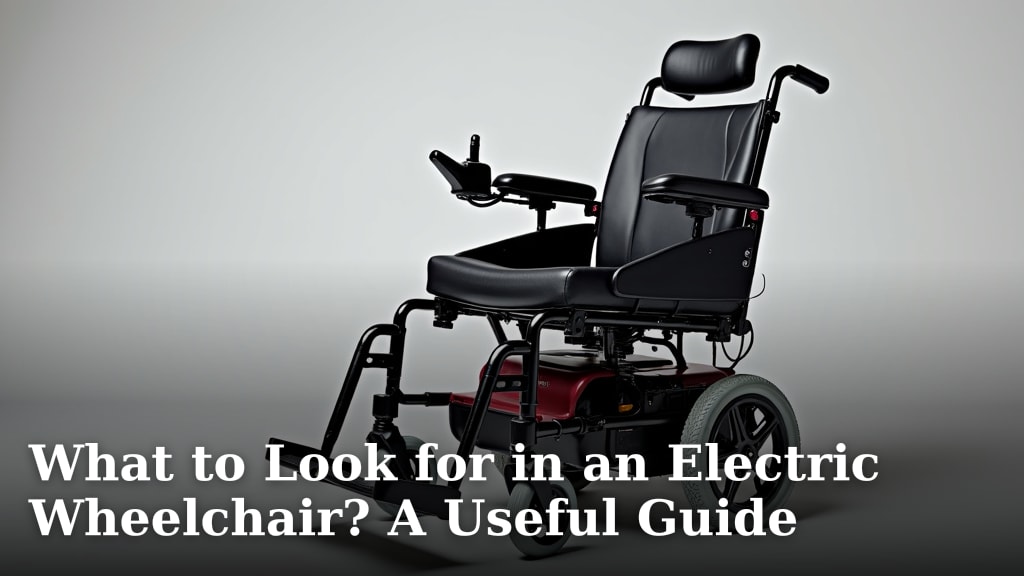
When choosing an electric wheelchair, you should primarily look for comfort, battery life, and weight capacity. These are the most critical factors for safe, daily use. A good fit and reliable power source make all the difference in your independence and daily routine.
We found that beyond the basics, maneuverability and durability are also key. Many experts say the right frame material and wheel size affect how easily you can navigate tight spaces. Don’t forget to consider the cost of maintenance and available support services.
- Start with your specific needs: indoor vs. outdoor use, and your body measurements.
- Check the battery range and charging time to match your daily activities.
- Ensure the chair’s weight and foldability fit your lifestyle and transport needs.
- Test the controls and seating for comfort and ease of use.
- Review warranty options and customer service availability for long-term peace of mind.
Below, we break down each of these factors in detail. Let’s walk through exactly what to prioritize to find the best electric wheelchair for you.
Key Features to Examine When Choosing an Electric Wheelchair
Finding the right electric wheelchair starts with looking at a few core features that match your daily life. You’re not just buying a chair; you’re choosing a partner for mobility. Let’s break down the most important elements to check before you buy.
Comfort and Seating: Your Daily Foundation
You’ll spend hours in this chair, so comfort isn’t a luxury—it’s a necessity. The right seat can prevent pressure sores and fatigue. Many experts point to proper seating as a key factor for long-term health (CDC). Start by measuring your body to ensure a good fit.
Cushion and Support
Look for high-density foam or gel cushions that match your body shape. Is the backrest adjustable? Does it support your lumbar spine? A good chair should feel like it’s made for you, not like a generic bench. Remember, a comfortable seat lets you focus on your day, not your aches.
Armrests and Legroom
Adjustable armrests make transfers easier and give you a place to rest your arms. Check if the legrests swing away or are adjustable in height. Poor leg positioning can lead to swelling or discomfort over time.
Battery Life and Range: Powering Your Freedom
Your wheelchair’s battery is its heartbeat. You need enough range to cover your daily trips without constant worry. We found that most users need a range between 15 and 20 miles for typical outings, but this varies greatly.
Range vs. Real-World Use
Manufacturers often quote a maximum range on flat terrain. Think about your real-world needs: Are you going up hills? Carrying heavy bags? These factors reduce battery life. It’s wise to choose a chair with a range about 30% longer than your longest expected daily distance.
Charging Time and Battery Type
How long does it take to charge? Some batteries need 6-8 hours for a full charge. Lithium-ion batteries are lighter and often have a longer lifespan than older lead-acid types. Can you charge the battery separately from the chair? This is a big plus for travel.
Weight Capacity and Chair Weight: The Strength Equation
This is about two numbers that both matter: the chair’s own weight and how much it can carry. A chair that’s too heavy for you to lift or transport defeats the purpose.
Maximum User Weight
Always check the maximum weight capacity listed by the manufacturer. It should be at least 10-20% higher than your body weight. This safety margin ensures the chair operates reliably and safely for years.
Chair’s Own Weight and Portability
If you need to put the chair in a car, its own weight is critical. Lightweight models often use aluminum frames. Some chairs can be disassembled or folded. A heavy-duty chair is sturdier, but a lighter one is easier for you or a caregiver to manage.
Maneuverability and Size: Navigating Your World
How well does the chair move through your home and neighborhood? Tight doorways and small rooms require a compact design. We found that a chair’s turning radius is one of the best indicators of its agility in tight spaces.
Turning Radius and Wheel Size
A smaller turning radius means the chair can make tighter turns. Larger rear wheels are better for outdoor terrain and curbs. Smaller front wheels can make indoor navigation smoother. Think about where you’ll use the chair most.
Overall Dimensions
Measure the narrowest doorway in your home and compare it to the chair’s width. Also, consider the overall length. A bulky chair might not fit in your bathroom or kitchen. It’s like finding the right-sized car for your garage.
Durability and Frame Material: Built to Last
You want a chair that can handle daily bumps and scrapes. The frame’s material is a big part of its strength and longevity. Different materials offer different benefits.
Aluminum vs. Steel Frames
Aluminum frames are lighter and resist rust. Steel frames are heavier but often more durable and less expensive. For most home users, a good aluminum frame is a solid choice. For heavy-duty or outdoor use, steel might be better.
Warranty and Build Quality
Look for a warranty that covers the frame for at least 5 years. Check reviews for mentions of how the chair holds up over time. Does the paint chip easily? Are the joints solid? A well-built chair gives you peace of mind.
Controls and Usability: Ease of Use for You
The controls should feel intuitive and be easy for you to operate. You don’t want to struggle with buttons or a joystick. Can you control the chair with one hand? Are the controls sensitive enough for gentle movements?
Joystick vs. Other Controls
Most power chairs use a joystick. It’s familiar and easy to learn. Some models offer alternative controls like sip-and-puff or head switches for those with limited hand mobility. Test the controls if you can before you buy.
Programmability and Speed Settings
Some chairs allow you to program different speed settings or sensitivity. This is helpful if you’ll be driving both indoors and outdoors. A slower, more precise setting for the house and a faster one for the park can make a big difference.
Cost, Maintenance, and Support: Long-Term Considerations
The price tag is just the start. Think about the ongoing costs of maintenance and repairs. A cheaper chair might cost more in the long run if it breaks down often. It’s like buying a reliable car versus a cheap one that’s always in the shop.
Replacement Parts and Service
Are replacement parts easy to find? Is there a local service center or dealer? Many experts recommend buying from a company with good customer support. A strong service network can save you a lot of time and hassle.
Battery Replacement Cost
Batteries need to be replaced every few years. Ask about the cost and lifespan of the battery. A lithium-ion battery might cost more upfront but lasts longer than a lead-acid one.
Understanding Different Types of Electric Wheelchairs
Not all power chairs are the same. The type you need depends on how you plan to use it. Some are made for indoor use, while others are built for rugged outdoor terrain.
| Type | Best For | Key Feature |
|---|---|---|
| Standard | General indoor/outdoor use | Balanced, good for most users |
| Compact/Folding | Travel, small spaces | Lightweight, portable |
| Heavy-Duty | Higher weight capacities | Strong frame, durable |
| All-Terrain | Uneven ground, gravel | Large wheels, suspension |
We found that many shoppers overlook the type of chair, but it’s one of the most important decisions. A standard chair might not work well on a gravel path, while an all-terrain model might be too bulky for a small apartment.
Your Personal Checklist Before You Buy
Before you make a final decision, run through this simple checklist. It will help you make sure you’ve covered all your bases. Think of it as your final shopping guide.
- Measure twice: Get your body measurements and the dimensions of your home’s doorways.
- Test the ride: If possible, test the chair. See how it feels to sit in, drive, and transfer.
- Check the battery: Confirm the real-world range and charging time fits your daily routine.
- Ask about support: Find out about the warranty, local service, and replacement parts availability.
- Compare types: Make sure the chair’s type (standard, folding, etc.) matches your lifestyle.
- Plan for the future: Consider if the chair can adapt to changing needs, like different cushions or controls.
This checklist is your friend. It takes the guesswork out of the process and helps you feel confident in your choice. You’re investing in your independence, so take the time to get it right.

Conclusion
Choosing the right electric wheelchair is a personal decision that directly impacts your daily freedom. You’ve seen how essential factors like comfort, battery range, weight capacity, and maneuverability all work together. The best chair for you fits your body, matches your daily trips, and handles the spaces you navigate most. Remember to look beyond the price tag and consider long-term needs like maintenance and support. Now, use the checklist we covered. Take your measurements, compare models, and if possible, test drive a chair. Your next step is to apply this guide and find the chair that truly supports your independence.
Frequently Asked Questions
How often do electric wheelchair batteries need to be replaced?
Most electric wheelchair batteries need replacement every 2 to 3 years. This depends on how often you use the chair and how well you maintain the battery. Regular charging and avoiding complete drains can help extend its life.
Can I take my electric wheelchair on an airplane?
Yes, most airlines allow electric wheelchairs, but rules vary. You must contact your airline well in advance to declare the battery type and size. Lithium-ion batteries often have specific watt-hour limits for carry-on or checked luggage.
What’s the difference between a power wheelchair and a mobility scooter?
Power wheelchairs are typically controlled with a joystick and are designed for full-time indoor/outdoor use. Mobility scooters have a tiller for steering and are often better for outdoor errands on paved surfaces. Your primary environment should guide your choice.
How do I know if a wheelchair’s weight capacity is safe for me?
Choose a wheelchair with a maximum weight capacity that is at least 20% higher than your own body weight. This safety margin ensures the frame, motor, and batteries perform reliably. Always check the manufacturer’s specifications directly.
Are there electric wheelchairs that can climb stairs?
Standard electric wheelchairs are not designed to climb stairs. For stair navigation, you would need a specialized stair-climbing model, which is a separate category of mobility device. For most homes, a chair with good turning radius and appropriate wheels is more practical.