How to Choose a Wheelchair for the Beach and Sand
For wheelchairs for the beach and sand, match the chair to the surface first: choose wide, soft or balloon wheels for loose sand, a chair you can rinse and dry for salt water, and a transfer plan for wet sand and boardwalks. A standard small-wheel chair often works on packed sand but struggles in soft sand.
On this page (10 sections)
- What type of wheelchair works best on sand?
- What wheel size and tire type should you look for?
- How do flotation and buoyancy features work?
- How do transfers work on the beach?
- Which chair suits boardwalks, packed sand and loose sand?
- What are the transport and storage trade-offs?
- What safety checks should you do before you go?
- How do you clean and care for a wheelchair after sand and salt?
- When should you choose a standard chair, a beach chair or a transport chair?
- What should you pack for a wheelchair beach day?
For wheelchairs for the beach and sand, the right choice depends on the surface you will cross most. Packed wet sand and boardwalks suit many standard manual chairs.
Loose dry sand needs wider wheels or a dedicated beach chair.
Start by picturing the full trip. You may cross a car park, a boardwalk, soft sand, wet sand and the water edge in one visit.
Each surface puts a different load on the wheels and on the person pushing.
Plan for help as well. Sand raises rolling resistance, so a chair that feels easy on pavement can feel heavy on a beach.
A second helper for slopes or soft patches can make the day safer.
Bring water, sun cover and a towel for the seat. Sand sticks to skin and upholstery, and salt spray can leave a film on metal parts.
A quick rinse and dry after the trip helps protect the chair.
What type of wheelchair works best on sand?
A wheelchair for sand works best when wide, soft wheels spread the load and keep rolling resistance low. Small hard wheels sink and catch, while large rear wheels and wide tires roll more easily.
Standard manual chairs with large rear wheels often handle packed sand. They still need more push force than on pavement, and loose sand can stop them quickly.
Test a short flat stretch before you commit to a long crossing.
Dedicated beach chairs use balloon wheels, wide tires or other sand-friendly designs. Those wheels cost more, take more space and still need rinsing after salt water.
They suit repeated beach trips where loose sand is unavoidable.
Transport chairs use small wheels and are built for short indoor moves. They can cross hard-packed sand for a short distance, but they are not the first choice for soft sand.
Their small wheels sink fast and can make pushing hard for both user and helper.
Power chairs add motor help, but sand still matters. Heavy power chairs can sink, and batteries and motors need protection from sand and salt.
Our guide to how to choose an electric wheelchair explains power trade-offs in more detail.
How to judge sand before you choose a chair
Look at the sand colour and texture at the water edge. Wet sand near the water is usually firmer and easier to cross than dry sand near the dunes.
Push a fingertip into the surface. If it leaves a deep mark, expect the wheels to sink.
If it holds shape, a standard chair may manage a short trip.
Check the slope too. A gentle slope on soft sand can feel steep once rolling resistance rises.
Choose a flatter route or a chair with better sand performance.
What wheel size and tire type should you look for?
Wheel size and tire type matter more on sand than frame colour or minor features. Larger rear wheels roll over soft patches with less effort, and wider tires spread weight across more sand.
Solid tires do not need air and suit everyday use, but they can ride harder on rough ground. Pneumatic tires can absorb bumps and sand better, yet they need pressure checks and can puncture.
Balloon tires used on beach chairs give the widest contact patch.
Small front casters can catch in sand ruts. Larger or wider casters track better, though they can feel less nimble on pavement.
There is a trade-off between beach ease and indoor control.
The Drive Medical Blue Streak Lightweight Wheelchair has an 18 in seat and swing-away footrests. Swing-away footrests help you set your feet for a transfer and clear space at the side.
Its steel frame and solid wheels suit level outdoor ground and indoor use.
Rule: choose the widest, largest wheels you can transport and store, not only the lightest frame.
How do flotation and buoyancy features work?
Flotation features help a beach chair stay level in shallow water or wet sand. Wide tires, sealed wheels or buoyant parts can spread weight and resist sinking.
Buoyancy is not a safety guarantee. A chair that floats empty may not support a person safely in water.
Open water, waves and currents add risks that no chair can remove.
Use flotation only for calm, shallow water where beach rules allow it. Keep a helper close, keep the chair stable and avoid deep water.
If waves are strong, stay on wet sand instead.
Sand-friendly chairs also need body positioning support. A sling seat can hold sand, so some beach chairs use mesh or washable fabric.
Check that the seat drains and dries rather than holding wet sand against skin.
Rule: treat flotation as extra stability in shallow water, never as a reason to enter deeper water.
How do transfers work on the beach?
Transfers on the beach need a flat, stable spot and a clear plan. Move to a firmer patch, lock the brakes, remove or swing away footrests and keep the chair from rolling on loose sand.
A helper should guide the move rather than lift the whole person. Use a transfer board, belt or other aid you already use at home.
Practice at home first so the beach does not become the first test.
A beach chair may need a transfer from your everyday chair. Park both chairs on firm ground, lock all brakes and move across with a helper.
Keep the route short and free of soft sand.
Showering after a beach day is part of the transfer plan too. Sand and salt make skin sore if left on, so plan a rinse soon after you leave the beach.
The DMI Tub Transfer Bench and Shower Chair has a 39 in width and a seat that slides across a tub or shower lip. Its non-slip aluminium body, suction cup feet and safety belt help a caregiver guide the slide with less strain.
The seat height adjusts from 19 in to 23.5 in.
Rule: plan the transfer on firm ground with locked brakes, and never force a move on soft sloping sand.
Which chair suits boardwalks, packed sand and loose sand?
Boardwalks suit most manual chairs because the surface is hard and flat. Gaps between boards can catch small casters, so roll at a steady pace and keep casters straight.
Packed wet sand suits a standard manual chair for short trips. Large rear wheels help, but you still need more push force than on pavement.
Keep trips short and turn back before fatigue builds.
Loose dry sand suits a dedicated beach chair best. Wide balloon wheels spread weight and roll with less effort.
A standard chair will sink and may need a helper to pull or push through soft patches.
Transport chairs suit boardwalks and packed sand for short distances. Their small wheels are weaker on loose sand.
Use them when weight and folding size matter more than sand performance.
Rule: match the chair to the softest surface on the route, not to the hardest surface.
How to choose between a standard chair and a beach chair
Choose a standard manual chair if you visit the beach rarely and mostly use boardwalks or packed sand. You save space, cost and transport effort.
Choose a dedicated beach chair if you go often and must cross loose sand. The easier rolling can protect shoulders and arms over a long day.
Choose a transport chair if a helper will push you and the route is short. You gain light weight and easy folding, but you lose sand performance.
What are the transport and storage trade-offs?
Transport size can decide whether a beach chair works in real life. A beach chair with wide balloon wheels may not fit a small car or a vacation rental lift.
A folding standard chair packs down for travel and storage. The Drive Medical Blue Streak folds to 12.5 in wide, according to Drive Medical.
That narrow fold helps in a car boot or a small storage space.
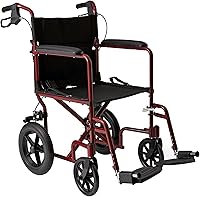
A transport chair is lighter and folds for a car trunk. The Medline Ultra Lightweight Transport Wheelchair weighs 15 lb and folds with swing-away footrests that lock in place.
It fits tight storage spaces, but its small wheels limit sand use.
Beach chairs often need a trailer, roof rack or pickup bed. Measure your car with the wheels or chair folded before you buy.
A chair that cannot reach the beach is not useful, even if it rolls well in sand.
The Medline Ultra Lightweight Transport Wheelchair has a 19 in wide seat and a 300 lb weight capacity. Its 8 in rear wheels and swivel front wheels suit tight corners and doorways.
Desk-length cushioned armrests and a cup holder add comfort for short outings.
Rule: measure the car, lift and storage space first, then choose the chair that fits those limits.
What safety checks should you do before you go?
Safety checks start with brakes, tires and footrests. Lock the brakes and push the chair to confirm it holds still on firm ground.
Check tire pressure on pneumatic tires and look for cuts or embedded sand.
Check the seat and back support for tears or loose straps. Sand can hide damage, so feel along seams and straps before you sit.
Make sure footrests lock or swing away cleanly.
Bring a helper for slopes and soft sand. Sand raises effort fast, and a helper can stop a chair from rolling on a slope.
Agree on how to lift and turn the chair before you reach the beach.
Pack sun protection, water and a towel. Heat illness and sunburn can develop during a long beach day.
Rest in shade and check skin often, especially where straps and seats press.
If you have pain, skin breakdown or breathing trouble, seek medical advice before a beach trip. A chair cannot fix a health problem, and heat can hide early warning signs.
Rule: check brakes, tires, straps and footrests on firm ground before you roll onto sand.
How do you clean and care for a wheelchair after sand and salt?
Cleaning starts as soon as you leave the beach. Rinse sand and salt off wheels, frame and fabric with fresh water.
Salt left on metal can corrode parts over time.
Dry the chair fully after rinsing. Pay extra attention to brakes, hinges, footrest joints and wheel bearings.
Sand trapped in moving parts can cause grinding and wear.
Use a soft brush for fabric and a mild soap for upholstery. Let the seat dry in shade rather than direct heat.
Check that nylon fabric and cushions have no lingering dampness before folding the chair.
Store the chair dry and folded. Keep it away from damp corners and sand-filled bags.
A quick inspection after each trip catches loose bolts or damaged tires early.
For an all terrain manual wheelchair, our guide compares models built for rough outdoor ground. That link helps if your beach route includes trails, gravel or grass as well as sand.
Rule: rinse, dry and inspect the chair after every beach trip, not only after visible damage.
When should you choose a standard chair, a beach chair or a transport chair?
Choose a standard manual chair for boardwalks, packed sand and mixed indoor use. It gives you control, stability and everyday independence.
The Drive Medical Blue Streak suits this mix with swing-away footrests and flip-back desk arms.
Choose a dedicated beach chair for repeated trips over loose sand. Wide wheels cut effort and reduce sinking.
Accept the larger transport size and the extra cleaning after each trip.
Choose a transport chair for short, helper-assisted trips on hard surfaces. The Medline Ultra Lightweight Transport Wheelchair suits this role with a 19 in seat and easy folding.
It is weaker on loose sand, so keep routes short and firm.
Choose a transfer bench when bathroom transfers are part of the trip. The DMI Tub Transfer Bench and Shower Chair helps move from a chair into a tub or shower with a sliding seat.
It does not roll on sand, so treat it as a separate tool.
Rule: pick the chair for your most common beach surface, and add a transfer aid only when the trip needs it.
What should you pack for a wheelchair beach day?
Pack for the chair, the person and the weather. Bring a towel, fresh water, sun cover and a small brush to clear sand from tires and footrests.
A plastic bag helps hold wet or sandy items on the trip home.
Bring a phone, keys and any medicines in a waterproof pouch. Keep those items within reach rather than on the floor or under the seat.
Sand can enter bags fast, so close zips and folds.
Pack a helper plan. Decide who pushes, who guides turns and where you will rest.
Agree on a turnaround point before fatigue or heat builds. A short beach day that ends well is better than a long day that ends with a stuck chair.
Check local rules before you go. Some beaches have rules for wheeled devices, water access and vehicles on sand.
A quick check avoids fines or a blocked route.
Time the trip for cooler hours when you can. Morning or late afternoon sun is easier to manage than midday heat.
Shade, water and rest stops protect both user and helper.
Rule: pack a rinse plan, a helper plan and a turnaround point before you leave home.
Frequently asked questions
What is the best wheelchair for sand and the beach?
A chair with wide, soft or balloon-style wheels and a frame you can rinse and dry is best for loose sand. For packed sand and boardwalks, a standard manual chair with larger rear wheels can work.
Balloon wheels spread weight, so they sink less and roll with less effort.
Can a regular manual wheelchair go on the beach?
A regular manual wheelchair can handle packed sand, boardwalks and short paved paths, but small wheels can sink and catch in loose sand. You can test a short, flat stretch first with a helper nearby.
If pushing force rises fast, a sand-specific chair will save effort and reduce strain.
Are beach wheelchairs buoyant in water?
Some beach chairs use flotation features such as wide tires or pontoon-style parts, but buoyancy varies by design and load. Never assume a chair will float safely with a person in open water.
Keep the chair on wet sand or in very shallow water only where the rules allow it.
How do you clean sand and salt off a wheelchair after the beach?
Rinse sand and salt off with fresh water, dry metal and fabric parts, and check brakes, footrests and tires for grit. Let the chair dry fully before folding it for transport.
Salt left on metal can cause corrosion over time, so a quick rinse matters.
Do you need a transfer bench for beach trips?
A transfer bench helps when you need to move from a wheelchair into a shower, tub or beach chair with less strain. It is less useful for a simple day on packed sand.
Choose it for bathroom transfers at a vacation rental or for moving onto a beach chair.