What Is an Adult Electric Wheelchair? Here’s What to Know
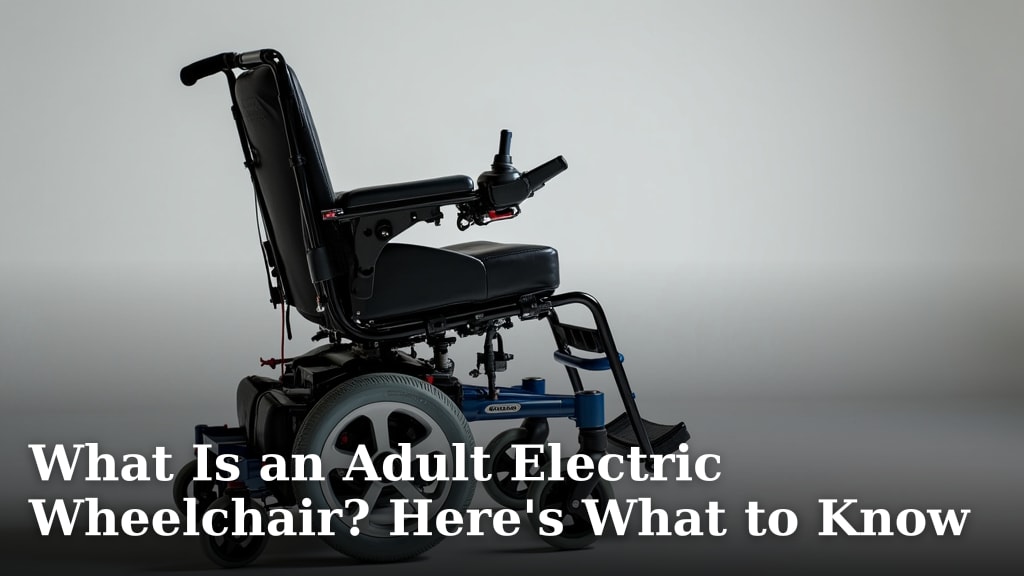
An adult electric wheelchair is a powered mobility device designed to help individuals with limited mobility move around independently. It uses a battery-powered motor for propulsion, controlled by a joystick or other user-friendly interface. Think of it as your personal chariot for navigating daily life with greater ease and freedom.
These chairs offer a fantastic solution for people who find walking or manual wheelchairs too taxing. They come in various styles, from compact models for indoor use to robust ones capable of handling outdoor terrain. Choosing the right one means regaining a sense of personal control and improving your overall quality of life. We found many users report a significant boost in their confidence.
- What it is: A battery-powered chair for mobility.
- Who it’s for: Those with walking difficulties.
- Key benefit: Increased independence and freedom.
- Variety: Many types for different needs.
Ready to learn more about what makes these chairs so helpful? Let’s dive into the details of what an adult electric wheelchair really is and what you should consider.
Understanding Electric Wheelchairs for Adults
An electric wheelchair, often called a power chair, is a mobility aid. It uses an electric motor and battery. This allows users to move around without needing manual pushing. Think of it as your personal ride. It’s designed to give you more independence. It helps you navigate your home and community with ease. Many people find it a life-changing tool.
How They Work: The Basics
At its core, an electric wheelchair has a few key components. There’s a strong battery that powers the chair. A motor converts that battery power into motion. You control this motion with a joystick or a special controller. The controller sends signals to the motor. This makes the chair go forward, backward, or turn. We found that most users get comfortable with the controls quickly. It’s often a matter of hours, not days.
The Power Source: Batteries
The battery is the heart of any electric wheelchair. Most chairs use deep-cycle batteries. These are built to handle repeated charging and discharging. Common types include sealed lead-acid (SLA) batteries. Some higher-end models might use lithium-ion batteries. Lithium-ion batteries are lighter and last longer. However, they also tend to be more expensive. Battery life depends on usage. Factors like weight, terrain, and speed affect it. Always check your battery level before heading out. It’s like checking your car’s fuel gauge.
The Control System: Joysticks and More
The most common control is a joystick. It’s usually mounted on the armrest. Moving the joystick in a direction makes the chair move that way. The amount you move the stick often controls the speed. Some chairs offer alternative controls. These can include head arrays, sip-and-puff systems, or chin controllers. These are for individuals who cannot operate a standard joystick. We found that the joystick is intuitive for most users. It allows for precise movements. This is important for navigating tight spaces.
Who Benefits from an Electric Wheelchair?
Electric wheelchairs are a wonderful option for many people. They are for individuals who have difficulty walking. This can be due to age, illness, or injury. If you find walking tiring or painful, a power chair can help. It can also benefit those who can walk short distances. But they need assistance for longer journeys. The goal is to increase your mobility. It’s about giving you back the freedom to go places. Many users report feeling more connected to their communities.
Common Conditions That May Require a Power Chair
Several health conditions can lead to needing an electric wheelchair. These include:
- Arthritis: Severe arthritis can make walking very painful.
- Multiple Sclerosis (MS): MS can cause fatigue and mobility issues.
- Spinal Cord Injuries: These can affect leg function and sensation.
- Stroke Recovery: Strokes can lead to weakness or paralysis.
- Cardiopulmonary Conditions: Conditions like COPD can limit stamina.
- Neurological Disorders: Many neurological conditions impact movement.
The Difference Between Manual and Electric Wheelchairs
A manual wheelchair needs someone to push it. Or, the user must propel it themselves using their arms. This requires a lot of upper body strength. It can be tiring over long distances. An electric wheelchair, on the other hand, is self-propelled. It uses its motor. This means less physical effort for the user. It’s ideal for longer outings or when energy levels are low. For those who cannot self-propel a manual chair, an electric one is a necessity. Research suggests that the independence gained can greatly improve mental well-being (CDC). For those who cannot self-propel a manual chair, an electric one is a necessity, but a power assist chair offers another option.
| Feature | Manual Wheelchair | Electric Wheelchair |
|---|---|---|
| Propulsion | Self-propelled or requires attendant | Motorized (battery-powered) |
| Effort Required | High upper body strength needed | Minimal physical effort for user |
| Weight | Lighter, easier to transport | Heavier, often requires a vehicle lift |
| Speed & Range | Dependent on user/attendant | Limited by battery and motor |
| Cost | Generally less expensive | Generally more expensive |
Types of Electric Wheelchairs
Not all electric wheelchairs are the same. They come in various designs. Each is suited for different needs and environments. Understanding these types will help you choose the best fit. Think about where you’ll use it most often. Will it be inside your home? Or will you take it on uneven outdoor paths?
Rear-Wheel Drive (RWD) Models
Rear-wheel drive chairs have the drive wheels at the back. They are known for their stability. They handle outdoor terrain well. They can often climb curbs and small obstacles. However, they tend to have a larger turning radius. This means they need more space to turn around indoors. We found that RWD chairs are a popular choice for users who spend a lot of time outdoors.
Mid-Wheel Drive (MWD) Models
Mid-wheel drive chairs have the drive wheels in the center. This gives them the tightest turning radius. They can pivot in place. This makes them excellent for indoor use. Navigating tight corners in a home or office is easy. MWD chairs also offer a smoother ride. The center pivot point helps absorb bumps. Many users prefer MWD for its maneuverability. It feels more natural when turning.
Front-Wheel Drive (FWD) Models
Front-wheel drive chairs have the drive wheels at the front. They offer good obstacle climbing. They can also handle uneven ground well. FWD chairs can feel a bit different to operate. They tend to “dig in” when turning. Some users find this makes them feel more stable. Others prefer the feel of MWD or RWD. They can sometimes be a bit slower than other drive types.
All-Wheel Drive (AWD) Models
All-wheel drive chairs have multiple drive wheels. This provides superior traction. They are designed for rough terrain and outdoor use. AWD chairs can handle slopes and obstacles with ease. They often have advanced suspension systems. This makes for a very comfortable ride. However, they are typically larger and heavier. They are often the most expensive option.

Key Features to Consider When Buying
Choosing an electric wheelchair involves looking at several features. Your personal needs should guide your decision. Think about comfort, durability, and how easy it is to use. We researched what matters most to users. Here’s a checklist to help you:
- Weight Capacity: Ensure the chair can safely support your weight.
- Seating Comfort: Look for adjustable, supportive seating.
- Battery Range: Consider how far you need to travel on a single charge.
- Tire Type: Pneumatic tires offer a softer ride but can go flat. Solid tires are maintenance-free.
- Suspension System: Good suspension improves comfort on rough surfaces.
- Portability: If you need to transport it, check if it disassembles or folds.
Conclusion
An adult electric wheelchair can truly transform your daily life. It offers a path to greater independence and freedom of movement. By understanding how these chairs work, who benefits, and the different types available, you can make an informed choice. Carefully consider features like weight capacity and battery range. Your next step is to consult with healthcare professionals. They can help you find the perfect power chair to meet your specific needs and lifestyle.
Frequently Asked Questions
How long do electric wheelchair batteries typically last on a single charge?
Battery range varies widely among models. It depends on factors like user weight, terrain, and speed. Many chairs offer between 10 to 25 miles per charge. Always check the manufacturer’s specifications for the model you’re considering.
Are electric wheelchairs difficult to operate indoors?
Operating an electric wheelchair indoors is generally quite manageable. Mid-wheel drive models, in particular, offer excellent maneuverability. Their tight turning radius allows you to navigate narrow hallways and tight spaces with ease.
Can electric wheelchairs be used on different types of terrain?
Yes, many electric wheelchairs are designed for varied terrain. Rear-wheel and front-wheel drive models offer good stability outdoors. All-wheel drive chairs provide superior traction for rough or uneven surfaces.
How do I know if I need an electric wheelchair versus a manual one?
If you have difficulty propelling a manual wheelchair or find walking very tiring or painful, an electric wheelchair is likely a better fit. It requires minimal physical effort for propulsion, unlike manual chairs which need upper body strength.
What is the typical maintenance required for an electric wheelchair?
Basic maintenance includes keeping the battery charged and clean. You should also periodically check tire pressure if you have pneumatic tires. Most manufacturers provide a maintenance schedule in the user manual.