What Is an Outdoor Power Wheelchair? What Matters Most
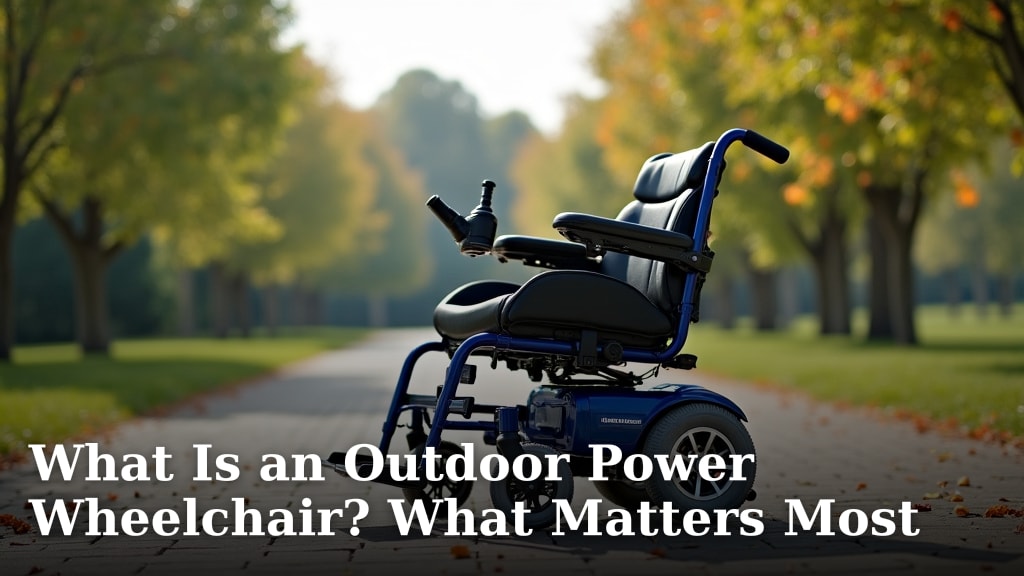
An outdoor power wheelchair is a powered mobility device A powered mobility device can be a full power chair or a manual chair with power assist. designed for navigating varied terrain outside your home. It’s built with stronger motors and tougher tires than indoor models to handle grass, gravel, and uneven surfaces. Think of it as your rugged companion for enjoying the great outdoors.
Choosing the right outdoor power wheelchair means considering factors beyond just raw power. You’ll want to look at battery life for longer excursions and suspension systems for a smoother ride over bumps. Many models offer features for comfort and safety, making your adventures more enjoyable.
- What it is: A tough powered chair for outdoor use.
- Key features: Strong motors, durable tires, better battery.
- What matters: Terrain handling, ride comfort, battery range.
- Why it’s great: Lets you explore more places independently.
Below, we’ll guide you through what really matters when selecting an outdoor power wheelchair, so you can get back to enjoying your adventures.
Understanding Outdoor Power Wheelchairs: What You Need to Know
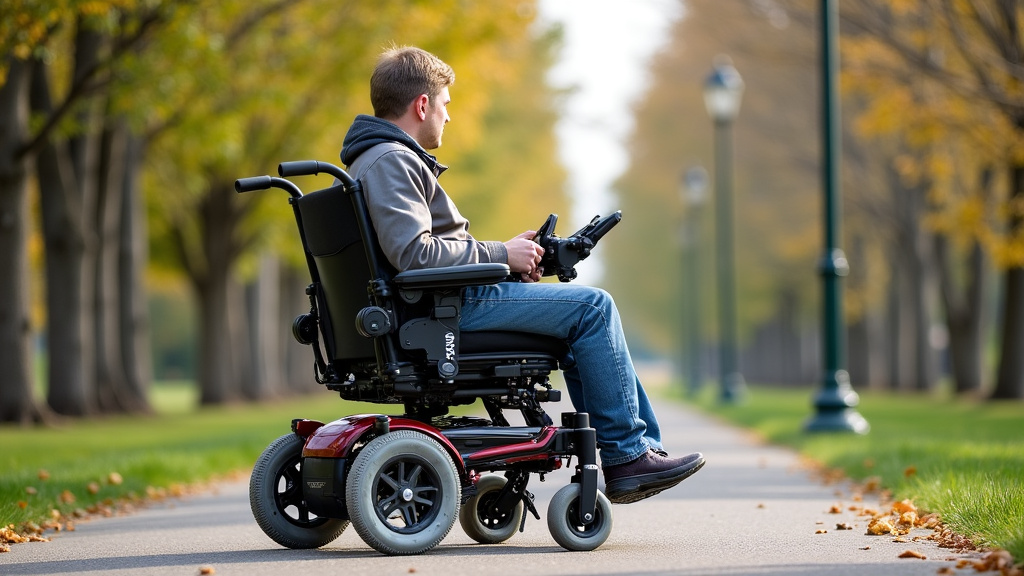
An outdoor power wheelchair is your ticket to reclaiming your freedom outdoors. It’s built tough. Think of it as a personal off-road vehicle, but for people. These chairs are designed to handle more than just smooth, flat surfaces. They can tackle grass, gravel paths, and even some bumpy terrain. This means you can visit parks, go to outdoor events, or simply enjoy your backyard again.
Key Features That Make a Difference
What separates an outdoor power wheelchair from its indoor cousin? It’s all in the build. Manufacturers focus on features that give you stability and power when you’re away from home. Let’s look at what makes these chairs so capable.
Motor Power and Drivetrain
The motors in outdoor chairs are typically stronger. They need to push you over inclines and rough patches. You’ll often find models with rear-wheel drive or mid-wheel drive. Rear-wheel drive offers good stability and can handle hills well. Mid-wheel drive provides a tighter turning radius, which is helpful in crowded outdoor spaces. We found that the more powerful the motor, the easier it is to navigate challenging surfaces without straining the chair.
Tires Built for the Terrain
Forget those small, hard indoor tires. Outdoor power wheelchairs use larger, pneumatic (air-filled) tires. These are like the tires on your car or a bicycle. The air inside acts as a natural shock absorber. They provide better grip on loose surfaces like gravel or dirt. They also help to smooth out bumps, making your ride much more comfortable. Some models might offer solid tires, which are maintenance-free but can offer a less cushioned ride.
Suspension Systems for a Smoother Ride
This is a big one for comfort. Many outdoor power wheelchairs come with advanced suspension systems. Think of it like the suspension on a car. It absorbs shocks and vibrations from uneven ground. This prevents you from feeling every single bump. Research shows that good suspension is key to reducing fatigue and discomfort during longer outings. A smoother ride means you can stay out longer and enjoy yourself more.
Battery Life and Range: Go Further
When you’re out exploring, you don’t want to worry about running out of power. Outdoor power wheelchairs usually have larger, more robust batteries. This translates to a longer travel range on a single charge. Manufacturers often state the maximum range in miles. However, real-world range can vary. Factors like terrain, user weight, and speed will affect how far you can go. Always consider your typical activities. Will you be going on short park visits or longer day trips?
Weight Capacity and Build Quality
These chairs are built to last and support a good amount of weight. Always check the weight capacity listed for any model you’re considering. It’s important to stay within this limit for safety and to prevent damage to the chair. The overall build quality is also critical. Look for sturdy frames and durable materials that can withstand outdoor elements and regular use.
What Matters Most When Choosing Your Chair
So, you know what an outdoor power wheelchair is and its basic features. But what truly makes a difference when you’re making your choice? It’s about matching the chair to *your* life and *your* needs.
Your Local Terrain: The Ground You’ll Cover
This is perhaps the most important factor. Where will you be driving your wheelchair? If your favorite spots involve grassy parks and unpaved trails, you’ll need a chair designed for that. Look for chairs with larger wheels, good ground clearance, and a robust suspension system. A chair that excels on pavement might struggle in softer ground. We found that understanding your typical environment is key to selecting the right model. A chair that can handle moderate outdoor terrain is usually a good balance for most people.
Comfort and Seating: Your Mobile Throne
You’ll be spending a lot of time in your wheelchair. Comfort is non-negotiable. Look for adjustable seating options. This includes things like backrest angle, armrest height, and seat depth. Some chairs offer specialized cushions designed for pressure relief and support. If you have specific comfort needs, consider models that allow for customization. A comfortable seat means you can enjoy your outings without pain or discomfort. Many experts say that proper seating can also help with posture and prevent secondary health issues (Cleveland Clinic).
Adjustability for a Perfect Fit
Can you adjust the footrests? Is the joystick controllable from either side? These small details matter for daily use. Being able to fine-tune your seating position can make a big difference in your overall experience. You want a chair that feels like it was made for you.
Battery Range: How Far Do You Want to Go?
Think about your typical day. Do you usually stay close to home, or do you like to venture out for hours? If you plan on longer excursions, a chair with a longer battery range is essential. Look at the manufacturer’s stated range and then consider the real-world factors we discussed. It might be worth choosing a chair with a slightly larger battery capacity than you think you’ll need. This gives you peace of mind.
Maneuverability and Turning Radius
Even outdoors, you’ll encounter tight spots. Maybe you’re navigating a narrow path or a crowded farmers market. The chair’s turning radius indicates how tight a circle it can make. Mid-wheel drive chairs generally have the smallest turning radius, making them very agile. Rear-wheel drive chairs often have a wider turn. Consider the spaces you’ll most frequently be in and choose a chair that can handle them easily.
Safety Features: Staying Secure
Safety is always a priority. Outdoor power wheelchairs come with various safety features. These can include anti-tip wheels, good lighting for visibility, and sturdy braking systems. Seatbelts are standard. Some models might have more advanced features like speed reduction when turning. Always check that the chair meets current safety standards. We found that good brakes are especially important for those who live in hilly areas.
Your Personal Needs Checklist
To help you narrow down your options, ask yourself these questions:
- What kind of terrain will I use this chair on most often?
- How long do I typically spend outside on an outing?
- Do I need a chair with a tighter turning radius?
- Are there any specific comfort or seating adjustments I require?
- How important is battery range for my daily activities?
- What is the maximum weight I need the chair to support?
Comparing Your Options: A Quick Look
When you start looking at specific models, you’ll see a range of features. Here’s a simplified way to think about how they stack up for outdoor use:
| Feature | Indoor Power Wheelchair | Outdoor Power Wheelchair |
|---|---|---|
| Tires | Smaller, solid, or standard pneumatic | Larger, rugged pneumatic tires |
| Motor Power | Sufficient for indoor use | Stronger for varied terrain and inclines |
| Suspension | Minimal or basic | Advanced shock absorption |
| Battery | Standard capacity | Higher capacity for longer range |
| Durability | Lighter construction | Robust frame for rougher use |
As you can see, the outdoor models are built with **durability and performance** in mind for the elements. It’s about finding the right balance of these features for your lifestyle.
Conclusion
You now understand what makes an outdoor power wheelchair different and what truly matters when picking one. It’s about finding a device that fits your life, not the other way around. Prioritizing your local terrain, comfort, and needed battery range will lead you to a chair that offers genuine freedom. Don’t forget to consider maneuverability and safety features.
Your next step is to create a personal needs checklist based on what you’ve learned. This list will be your guide as you start looking at specific models. Visit a local dealer if possible to test drive chairs. This will help you make the most informed decision for your outdoor adventures.
Frequently Asked Questions
How do I know if I need an outdoor power wheelchair instead of an indoor one?
You likely need an outdoor power wheelchair if you plan to use your mobility device on surfaces other than smooth indoor floors. If you want to navigate grass, gravel paths, or uneven terrain regularly, an outdoor model is built for that purpose. Indoor chairs often lack the motor strength, tire durability, and suspension needed for these conditions.
What is the most important factor for ride comfort in an outdoor power wheelchair?
The most important factor for ride comfort is usually the suspension system. Good suspension absorbs shocks from bumps and rough ground, preventing you from feeling every jarring movement. Larger, air-filled pneumatic tires also contribute significantly to a smoother, more comfortable ride by acting as natural shock absorbers.
How can I estimate the battery range I’ll actually need?
To estimate battery range, think about your typical outdoor outings. How long do you usually spend away from a charging point? Consider the terrain you’ll be covering, as rougher surfaces drain batteries faster. It’s often wise to choose a chair with a range that’s slightly more than your longest anticipated trip to ensure you have plenty of power.
Are solid tires a good option for outdoor power wheelchairs?
Solid tires are maintenance-free and won’t go flat, which is a plus. However, they typically offer a firmer and less cushioned ride compared to air-filled pneumatic tires. If you prioritize a smoother experience over varied terrain and don’t mind occasional tire maintenance, pneumatic tires are generally preferred for outdoor use.
What is a “turning radius,” and why does it matter for outdoor use?
A turning radius refers to the smallest circle a wheelchair can make. This matters outdoors because you might need to navigate tight spaces like narrow garden paths or crowded outdoor markets. A smaller turning radius means your chair is more agile and easier to maneuver in these confined areas.