How to Replace a Bathtub Grab Bar
For a bathtub grab bar replacement, match the new bar’s mounting pattern and wall support to the existing setup. If the old bar is loose, damaged, or attached to a wall you can’t verify, have a qualified installer check the wall before relying on the new bar.
On this page (10 sections)
- When should you replace a bathtub grab bar?
- What should you check before buying a replacement?
- How do you remove an old bathtub grab bar?
- Can you reuse the old mounting holes?
- How do you install the replacement securely?
- How do you check the new bar after installation?
- Which replacement bars may fit a bathtub?
- What if a replacement leaves holes or damaged tile?
- What else can make bathtub use safer?
- How do you choose the right bathtub grab bar replacement?
For a bathtub grab bar replacement, match the new bar’s mounting pattern and wall support to the existing setup. If the old bar is loose, damaged, or attached to a wall you can’t verify, have a qualified installer check the wall before relying on the new bar.
A grab bar helps only when its mounts are secure and suited to the wall. A new bar may look similar to the old one but still have different flange spacing, screw positions, or mounting requirements.
If you’re planning a broader bathroom update, start with our bathroom safety guide to grab bars to compare placement and bar styles. For replacement hardware, see best grab bar mounting hardware.
When should you replace a bathtub grab bar?
Replace a bar that is bent, badly corroded, loose, cracked, or missing parts. Stop using it for support until the mounting and surrounding wall have been checked.
A damaged finish alone may not tell you whether the bar is unsafe, but movement at the bar or flange needs attention. Check for rust around the screws, cracked tile, gaps at the covers, soft drywall, or staining that could point to moisture behind the wall.
Don’t tighten a loose screw and assume the problem is solved. The screw may no longer grip the stud or anchor, and added force can damage tile or enlarge the hole.
If you’re unsure whether the bar or the wall is the problem, ask a qualified installer to inspect the assembly. Grab bars are safety equipment, so a visual match to the old hardware isn’t enough to confirm a secure replacement.
What should you check before buying a replacement?
Check the wall material, support, mounting pattern, and bar size before choosing a new bar. The replacement must fit the mounting surface and installation method, not just the space left by the old bar.
Measure the distance between the mounting holes and the overall space available. Also note whether the old bar is attached to studs, a compatible anchor system, or another secure mounting surface.
Remove decorative covers only if you can do so without loosening the bar or damaging the wall. If you can’t see how the mounts are attached, don’t guess based on the bar’s appearance.
Check the new bar’s instructions for mounting requirements and hardware compatibility. Some bars use screw locations that differ from an older model, and some anchor systems are sold separately.
How do you remove an old bathtub grab bar?
Remove the old bar only after you understand how it is mounted and can support it while the fasteners come out. If the bar moves unexpectedly, the wall is damaged, or a screw is stuck, stop and get help.
- Keep the bathtub area clear and dry.
- Support the bar so it can’t fall as you remove fasteners.
- Remove decorative covers as directed by the bar’s instructions.
- Loosen the fasteners gradually and keep track of any parts.
- Inspect the exposed wall and mounting points before fitting anything new.
Don’t pry against tile or pull the bar away from the wall. That can crack tile, damage the backing, or make the existing holes unusable.
After removal, check for cracked tile, loose backing, enlarged holes, rust, moisture, or soft wall material. Any of those signs can change the repair needed before a new bar can be installed.
Can you reuse the old mounting holes?
Reuse the holes only when the new bar’s pattern matches and the mounting points remain sound. A screw fitting into an old hole doesn’t prove that the wall can support the bar.
If the new bar uses a different flange layout, don’t force screws into nearby holes or angle them to make them fit. The bar needs to be installed using its intended mounting method and compatible hardware.
For a drywall wall, review how to choose grab bar drywall anchors before deciding whether an anchor system fits the job. If the wall is tiled, see our guide to grab bar anchors for tile for tile-specific considerations.
If the mounting pattern doesn’t line up, a qualified installer can determine whether the new bar can be safely mounted elsewhere or whether the wall needs repair first. Avoid leaving old holes exposed in a wet area; use a suitable repair method for the wall finish.
How do you install the replacement securely?
Follow the replacement bar’s instructions and use the mounting method approved for the wall. If you can’t confirm a secure mounting surface or compatible hardware, have the installation assessed before using the bar.
Position the bar where it can be reached comfortably and where the mounting points align with the intended support. Mark the holes carefully, then use a drilling method suited to the wall material and the bar’s directions.
For tile, avoid drilling too close to an edge or using a method that could crack the tile. For any wall, don’t substitute a generic fastener for hardware meant to secure a grab bar.
Our guide to grab bar installation walks through planning and mounting considerations. If the wall has hidden plumbing or wiring, use an appropriate way to check before drilling, or have a qualified installer do the work.
How do you check the new bar after installation?
Check the bar and each mounting point for movement before anyone relies on it. Follow the manufacturer’s instructions for any installation checks and don’t use the bar if it shifts or the wall shows damage.
Look for gaps at the flanges, loose covers, cracked tile, and screws that turn without tightening. Stop if you see movement, hear cracking, or notice a mount pulling away from the wall.
A grab bar is for support during movement, not a substitute for a seat or other bathing aid. If standing or transferring is difficult, a shower chair vs shower stool comparison can help you consider another option for bathing.
Which replacement bars may fit a bathtub?
Choose a replacement based on the mounting layout and intended location, then confirm the bar’s installation requirements. Compare bathroom grab bars for seniors after checking the mounting requirements.
These options vary in length and design, so none should be assumed to fit the old holes without checking.
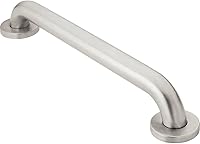
The Moen 8912 is a 12 in stainless steel grab bar with concealed screws and a 1.5 in grip diameter. It can be used near bathtubs and showers, and Moen lists SecureMount anchors as an optional installation method when direct stud mounting isn’t available; those anchors are sold separately.
The Amazon Basics bar is 36 in long with a 1.5 in diameter and stainless steel construction. Its stated capacity applies when properly installed in a wall stud or another secure mounting surface, so check that the wall and available span suit it.
The Moen Home Care bar is 18 in long with a 1.5 in diameter. Moen says it supports up to 500 lb when installed in a stud or with SecureMounts, which are not included.
Before ordering, compare the new bar’s hole spacing and mounting instructions with the wall you have. The listed length does not tell you whether its flange holes will line up with the old bar.
What if a replacement leaves holes or damaged tile?
Repair the wall before installing or relying on a new bar if the old mounting points are damaged. A larger cover plate may hide holes, but it doesn’t restore the strength of the wall behind them.
Cracked tile, loose backing, and enlarged screw holes need a repair suited to the wall construction and wet-area finish. Don’t fill a hole with caulk or adhesive and treat it as a structural anchor.
If the old bar was mounted through tile, have the tile and backing checked when cracks or water damage are present. A sound new mounting location may require different hardware or professional repair.
What else can make bathtub use safer?
Pair a secure grab bar with bathing equipment that suits the person’s balance and transfer needs. A bar can provide a handhold, while a seat can reduce the need to stand during bathing.
Our shower chair vs shower stool guide explains the basic differences between those seating options. Choose equipment that fits the tub and leaves enough room to enter and exit safely.
For people who need a bedside toileting option, read how to set up a bedside commode and how to clean a bedside commode. Those guides cover a separate task, but they may help when bathroom access is difficult.
How do you choose the right bathtub grab bar replacement?
For a bathtub grab bar replacement, choose a bar that matches the secure mounting points or can be installed safely at a new location. Pick the 12 in Moen for a shorter handhold, the 36 in Amazon Basics bar when a longer span fits, or the 18 in Moen for a middle length, after checking each bar’s mounting requirements.
If the old bar is loose or the wall shows damage, pause use and have the mounting area inspected before installing a replacement. A sound wall and compatible mounting method matter more than matching the old bar’s appearance.
Frequently asked questions
Can I replace a bathtub grab bar without opening the wall?
Sometimes. If the replacement’s mounting points line up with sound studs or an approved anchor system, you may be able to use the existing access.
If the old holes are damaged, the new bar has a different pattern, or the wall support is uncertain, get the mounting area assessed before installation.
Can I reuse the old grab bar holes?
Only if the new bar’s mounting pattern fits and the holes still lead to sound, secure mounting points. A screw that spins, a cracked tile, or an enlarged hole is a reason to stop and repair or reassess the mounting surface instead of reusing it.
How do I know if a bathtub grab bar is loose?
Look for movement at the bar, mounting flanges, screws, or surrounding wall, and check for cracked tile, gaps, rust, or water damage. Don’t use a loose bar for support; arrange an inspection and repair before relying on it again.
Do grab bar anchors work in tile?
The right method depends on the tile, wall behind it, anchor design, and the bar’s instructions. Don’t assume a drywall anchor is suitable for tile or that tile alone can hold a grab bar.
Choose a compatible method and have uncertain walls checked by a qualified installer.