Bathroom Safety: The Complete Buying Guide
Bathroom grab bars should be securely mounted to a suitable surface, while other safety aids should fit your body, bathroom layout and transfer needs. Measure first, follow installation instructions, and ask a qualified installer or clinician about support needs.
On this page (9 sections)
- What bathroom safety equipment should you consider first?
- How do you choose a grab bar for your bathroom?
- Where should a grab bar go near a toilet?
- Which grab bars work around showers and bathtubs?
- Should you use a shower chair or a tub transfer bench?
- What can help with toilet height and bedside access?
- What other equipment may help with bathing?
- How can you plan a safer bathroom setup?
- How do you choose the next bathroom safety aid?
Grab bars are a key part of bathroom safety, but the right setup depends on where support is needed, how the user moves and what the walls can hold. Measure the space, choose equipment for the task, and make sure each mounted bar is installed according to its instructions.
This guide connects the bathroom safety topics in our collection, from grab bars and shower chairs to toilet supports and bedside commodes. Start with the area that causes the most difficulty, then check fit, mounting and transfer needs before buying.
What bathroom safety equipment should you consider first?
Start with the task that feels least stable: standing, sitting, stepping over a tub edge, or reaching the toilet. Choose an aid that supports that specific movement, rather than buying several items before you know what fits.
- For a steady handhold: consider a properly mounted grab bar near the toilet, shower or tub.
- For seated bathing: compare a shower chair or transfer bench with your shower or tub layout.
- For toilet transfers: look at toilet safety rails or a raised seat, based on the user's movement and toilet fit.
- For limited trips to the bathroom: consider a bedside commode if it suits the room and transfer routine.
- For stepping into a bathtub: a transfer bench may help the user sit outside the tub and move across the edge.
These products do different jobs. A shower chair gives a place to sit, while a grab bar provides a handhold; neither one automatically makes a difficult transfer safe.
How do you choose a grab bar for your bathroom?
Choose a grab bar by location, grip, length and mounting surface. The bar must fit the user's reach and be secured in a way that suits the wall construction.
Measure the place where the bar could go and note nearby fixtures, doors and tile joints. Check the bar's diameter and length against the user's grip and the available wall area.
For common configurations, compare bathroom grab bar sets and grab bars for bathrooms. If a particular installation needs to meet accessibility requirements, see our guide to the best ADA grab bars, then confirm the relevant requirements for the space.
A textured grip may suit someone who wants a less smooth surface to hold. See grab bars with textured grips and compare that grip style with the user's comfort and hand strength.
What makes a bathroom grab bar different from a towel bar?
A grab bar is designed and mounted to provide support; a towel bar is for hanging towels. Don't use a towel bar as a handhold, since it may not be built or installed to bear that kind of force.
Read our comparison of a grab bar vs a towel bar before relying on anything already attached to the wall. If you need replacement parts or installation supplies, see grab bar mounting hardware.
Should you choose a vertical, angled or L-shaped bar?
The bar's shape should match the movement it needs to support and the available wall space. Plan the handhold around the user's reach and transfer path, and get help with placement if that is unclear.
A vertical bar may offer a handhold near an entry point; an L-shaped bar can provide two directions to grasp. Explore vertical grab bar positioning and L-shaped grab bars for those configurations.
Can a suction cup grab bar replace a mounted bar?
A suction cup bar should not be treated as a substitute for a securely mounted grab bar. It only works on compatible surfaces, and its hold needs checking before every use.
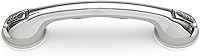
The Safe-er-Grip 24-inch bar is intended for smooth, dry, nonporous surfaces such as glazed ceramic tile, plastic or glass. It should not go over grout lines or on drywall, and the manufacturer says not to apply full body weight to it.
For more detail, compare suction cup grab bars for showers and the best shower grab bars. For any bar, follow its installation and use instructions and get help if the mounting surface or placement is uncertain.
Where should a grab bar go near a toilet?
Position a toilet grab bar where the user can reach it during sitting and standing, while keeping the route clear. The best placement depends on the user's stronger side, transfer pattern and bathroom layout.
Measure the distance from the toilet to the wall and check whether a bar can be attached to a secure surface. Read where to place a grab bar next to a toilet for planning considerations, and compare grab bars for toilets with toilet safety rails.
A freestanding rail may be another option when wall mounting is not practical, but it still needs a stable fit around the toilet. Check the product's fit and use instructions before relying on it.
Which grab bars work around showers and bathtubs?
Choose a bar based on the surface, entry path and the user's reach. A bar near the shower or tub should be easy to grasp during the movement it is meant to support.
For shower-specific options, see grab bars for showers for seniors and grab bars for showers. For a bathtub, review grab bars for seniors using a bathtub and bathtub grab bar placement.
A bar that clamps onto a tub edge has different fit and use considerations from one mounted to a wall. Measure the tub and follow the specific installation directions rather than assuming one style fits every bathtub.
Should you use a shower chair or a tub transfer bench?
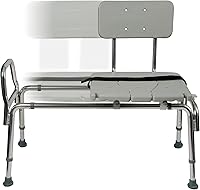
A shower chair sits inside a shower, while a tub transfer bench extends across the tub edge to support a seated transfer. For tips on limiting splashes, see how to keep water inside the tub with a transfer bench.
Choose based on whether the main challenge is standing during a shower or getting over the tub wall.
Measure the shower or tub interior, entry opening and available floor space. Check the user's ability to sit, shift and transfer, then compare the chair or bench dimensions with the space.
For a direct comparison, read shower chair vs tub transfer bench. If the shower is tight, see shower chairs for small showers, or compare folding shower chairs where storage space is limited.
What should you measure before buying a shower chair?
Measure the usable floor area, doorway and route into the bathroom, then check the chair's height and width. The chair must fit with enough space for the user to sit and transfer safely.
Check the seat surface, feet and any arms or back support against the user's needs. Accessories such as a backrest or replacement feet may also matter; see shower chair accessories for examples.
People who need a larger seat or higher weight limit should compare options in our bariatric shower chair guide. If a pivoting seat might help with a transfer, see swivel shower chairs.
When might you need a tub transfer bench?
A tub transfer bench may suit someone who can sit and move across the bench but has difficulty stepping over a tub wall. Check that the bench fits the tub and that the user can complete the transfer safely.
Compare tub transfer benches for seniors with tub transfer benches.
What can help with toilet height and bedside access?
Toilet supports and bedside commodes can help address different access needs. Check fit, height and transfer ability before choosing an aid.
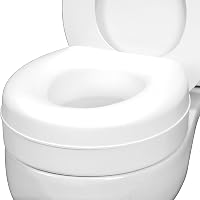
A raised toilet seat changes the seat height, while toilet rails provide places to grasp. Review raised toilet seats for seniors and how to choose a universal raised toilet seat, then confirm compatibility with your toilet.
A bedside commode may help when the bathroom is too far away for a particular user's routine. Compare bedside commodes for seniors, drop-arm bedside commodes and bedside commode accessories.
If the user needs a combined bathing and toileting seat, a shower commode wheelchair is another category to consider. See shower commode wheelchairs and check access, transfers and caregiver needs before choosing.
For toileting supplies, a commode chair can be paired with suitable liners, while a bariatric commode may suit someone who needs a higher capacity. Compare the specific model's dimensions and weight limit with the user's needs.
What other equipment may help with bathing?
Bath lifts and specialized seating address different tasks from a grab bar. Consider them when getting down into or rising from a tub is the main challenge, and check that the equipment fits the tub and supports the user's transfer routine.
A bath lift raises and lowers a seated user in a bathtub. Compare bath lifts for seniors and ask a clinician or qualified supplier whether the transfer method suits the person.
Some shower chairs arrive assembled, while others need setup at home. Check the assembly requirements and stability before use, and see medical shower chairs for models in that category.
How can you plan a safer bathroom setup?
Plan the route from the bathroom entrance to the toilet, shower or tub before selecting equipment. Remove obstacles, keep frequently used items within reach and make sure the user has room to turn or transfer.
Use this checklist:
- Measure doorways, turning space and the fixture where each aid will go.
- Identify where the user needs a handhold or a place to sit.
- Check the wall or floor surface and follow the equipment's mounting instructions.
- Keep towels, soap and other essentials reachable without stretching.
- Confirm that mats and cords do not block the route.
- Review the setup with the user and adjust if it feels difficult to reach or use.
A grab bar cannot correct every balance or transfer problem, and a chair cannot guarantee a safe shower. If someone has fallen, feels unsteady or needs help moving, ask a clinician or occupational therapist to assess the bathroom and the person's needs.
How do you choose the next bathroom safety aid?
Choose the aid that addresses the user's most difficult movement, then confirm that it fits the space and can be installed or used as directed. Start with grab bars for handholds, seating for bathing, and toilet aids for sitting or standing support.
If stepping over a tub is the main challenge, compare transfer benches; if standing in the shower is difficult, start with a shower chair. For related mobility needs outside the bathroom, see how to use a knee scooter.
Frequently asked questions
Where should grab bars go in a bathroom?
Place grab bars where a person needs a steady handhold, such as near the toilet, shower or tub entry. The right position depends on the user's reach, movement and transfer method, as well as wall framing and the bar's installation instructions.
A qualified installer can help plan placement.
Are suction cup grab bars safe to use?
Suction cup bars are designed for smooth, dry, nonporous surfaces and must not be treated as a replacement for a wall-mounted bar. Safe-er-Grip says its bar does not suction to drywall or textured surfaces, must avoid grout lines, and needs a tightness check before each use.
What should I check before buying a shower chair?
Measure the shower floor, door opening and available turning space, then compare them with the chair's dimensions and weight limit. Check seat height, drainage, armrests and whether the user can transfer safely.
For help choosing, see our guide to an assembled shower chair.
Do raised toilet seats work with every toilet?
No. Toilet shape, bowl dimensions, seat attachment and the user's transfer needs affect compatibility.
Measure the toilet and review the seat's fit instructions before buying.
A raised seat can change sitting height, but it does not replace a properly positioned grab bar when a handhold is needed.
When might a bedside commode help?
A bedside commode may help when reaching the bathroom is difficult or a toilet is not close enough for a safe transfer. Choose a style and height that suit the user and room, and plan how to empty and clean it.
A clinician can advise on individual transfer needs.