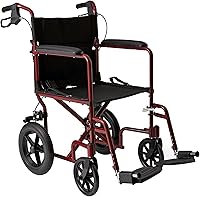
Choosing Extra Long Elevating Leg Rests for a Wheelchair
Choose an extra long elevating leg rest for a wheelchair by matching the leg length, adjustment range and attachment style to your chair. Confirm the seat height, footrest mounts and available leg support before you order.
On this page (8 sections)
- How do you measure for an extra long elevating leg rest?
- What adjustment range should taller users look for?
- Which wheelchair features affect compatibility?
- Which products can help with different wheelchair setups?
- How should you set up an extra long leg rest?
- What trade-offs matter for taller wheelchair users?
- What should you check before ordering?
- Is an elevating leg rest right for your wheelchair?
An extra long elevating leg rest for a wheelchair should match your lower-leg length, offer enough adjustment range, and attach securely to your chair. It helps only when the rest is measured around the person who will sit in the chair, not around a general idea of tall.
Start by measuring from the seat edge to your heel, then check the wheelchair's footrest mount and the leg rest's shortest and longest settings. Those two checks prevent a common mistake, which is choosing a longer part for a chair it cannot attach to or for a leg that does not need the extra length.
A longer leg rest is not automatically better. If it is too long, it can push your knees up, change how your thighs rest on the seat, and place your feet at a poor angle on the footplate.
That poor angle may make transfers harder, because the front of the chair can feel blocked when you are trying to stand, pivot, or move sideways. It can also make doorways, tables, and footrests feel tighter during normal daily use.
If it is too short, it may leave the lower legs without the support you need. The heel can sit too high, the knee can drop into an awkward position, and the calf may lose contact with the support that is meant to steady the leg.
This matters most when the chair is used for long periods at appointments, meals, or rest at home. A small mismatch may seem minor at first, but it can become tiring when the same position is held again and again.
For shorter users, a standard footrest may be a calmer choice. For taller users, or for anyone whose seated measurement reaches beyond a standard range, an extra long option deserves a closer look.
The safe order is simple. Measure the leg, check the chair, compare the range, and only then judge whether extra length solves the problem.
How do you measure for an extra long elevating leg rest?
Measure your seated leg length before comparing products. Sit upright with your back against the wheelchair, place your thighs on the seat, and measure from the front edge of the seat or the knee area to the heel position you want.
Keep your shoes on if you normally use the wheelchair with shoes. Footwear changes the final distance, especially when the heel needs to rest on a footplate.
Write down the measurement in inches. Then compare it with the leg rest's usable adjustment range, not just the overall length of the metal support.
Your knee should remain in a natural position while the lower leg is supported. The leg rest should not force your thigh off the seat or leave your heel hanging well above the footplate.
What should you measure besides leg length?
Check the seat height, seat depth, footrest attachment and space around the front frame. These details affect where the leg rest begins and how far it must extend.
Also measure the chair when folded if transport matters. A longer or more complex leg rest may need to be moved, removed or positioned differently before the chair goes into storage.
For a basic explanation of footrest movement and transfer access, read What Is a Swing Away Footrest Wheelchair? The Simple Version.
What adjustment range should taller users look for?
Taller users should look for a leg rest whose maximum setting reaches the measured heel position without using the very end of its range. That spare room helps when shoes, seat position, or a cushion change the final distance.
The minimum setting matters too. A rest that only works at its longest setting may not suit another user, a changed posture, or a shorter trip.
A wider range makes the part more flexible across seasons and routines. Winter footwear, different shoes, or a slight posture change can move the heel point enough to matter.
Look for clear adjustment points and a way to keep both sides at the same height. Uneven settings can leave one leg higher than the other and make transfers harder from the start.
Matching both sides is also easier to check after the chair has been moved. A rest that looks even in a shop may sit differently after folding, lifting, or storage, so a quick visual check before use is worthwhile.
Stability matters more than extra length on its own. A rest should lock or hold its position in use, and the front frame should feel steady when weight shifts during a transfer.
An elevating feature changes the angle of the lower leg. It does not make the chair longer, and it does not replace checking seat depth or overall fit.
That distinction matters for taller users. Seat depth still decides how the thigh is supported, seat height still shapes knee position, and the leg rest only works within that frame.
If the seat is too shallow or too deep, a longer rest cannot fully correct the fit. It may support the lower leg, but the sitting position can still feel off.
Care also plays a role over time. Check that adjustment points move without forcing, footplates stay level, and no part rubs against the front frame in normal use.
If several people care for the same user, the setup should be easy to repeat. A clear range, matched sides, and a predictable release help everyone set the chair the same way.
Choose the range that fits the measured need with room to spare. Extra length should add comfort and choice, not push the setup to its limit.
Materials and cleaning should not be ignored. Nylon upholstery, padded surfaces, and footplates are easier to live with when marks wipe away and moving parts do not trap dirt.
Which wheelchair features affect compatibility?
Compatibility depends on the chair's footrest mounts and front-frame design, not only on the user's height. Confirm that the leg rest is made for the wheelchair model or for the same attachment system.
Swing-away or removable footrests can make transfers easier because the front of the chair is less blocked. Desk-length or swing-back arms may also affect how a user approaches a table or transfers from the side, but they do not confirm leg rest compatibility.
A transport chair may use a different front attachment arrangement from a self-propelled wheelchair. Before choosing, identify whether the chair is a transport wheelchair, manual wheelchair or another type.
The best elevating leg rests for wheelchairs guide can help you compare leg rest styles after you know the measurements and attachment requirements.
Which products can help with different wheelchair setups?
These products show why chair type, footrest design and leg support should be considered together. They are not interchangeable substitutes for measuring your leg length and confirming fit.
The Drive Medical Folding Transport Wheelchair is suited to users who need caregiver-assisted transport and a compact folding frame. Its swing-away footrests can help create more room during transfers, while its 8-inch wheels are described for indoor surfaces and level outdoor paths.
Its steel frame, 26-pound weight and 33 x 21.5 x 39-inch dimensions matter when storage and vehicle transport are part of the routine. This chair does not, by itself, confirm an extra long elevating leg rest fit, so check the attachment system before adding one.
The Medline Lightweight Wheelchair is the most direct match here for someone comparing a wheelchair that already includes elevating leg rests. Its seat depth is adjustable from 18 to 20 inches, and the chair weighs 34 pounds.
The swing-back arms can help with lateral transfers and access to desks or tables. Its assembled dimensions are 30 inches long, 25.5 or 27.5 inches wide and 38 inches high, while the folded width is 10.5 inches.
The Drive Medical Blue Streak suits users who need a manual wheelchair with swing-away footrests and a folding steel frame. Its 16-inch seat depth and 18-inch seat height give you useful starting measurements when comparing your seated leg position.
The chair has solid wheels, push handles, flip-back desk arms and push-to-lock brakes. Its footrests are described as swing-away and removable, but you still need to confirm whether a particular elevating leg rest matches the chair's attachment points.
For compatible parts, compare replacement footrests for Drive wheelchairs.
For more manual wheelchair choices, see Best Manual Wheelchairs with Elevating Leg Rests. If width and user size are also concerns, compare Best Bariatric Wheelchair Leg Rests before you decide.
How should you set up an extra long leg rest?
Set the leg rests so your thighs stay supported and your heels rest comfortably on the footplates. Begin with small changes to height and angle rather than starting at the longest setting, because a shorter starting point is easier to judge.
Sit with the back supported and the thighs resting naturally on the seat. The knees should stay relaxed, the heels should land where you expect, and neither leg should feel lifted or pressed down.
Check both sides while the user is seated. The supports should be even, the knees should not be forced upward, and the feet should remain clear of the floor and nearby obstacles.
Clearance matters in real rooms. Feet can catch on thresholds, chair legs, table frames, or door edges when the front of the chair is longer than expected.
If the chair will be moved from room to room, test the turn at the widest point. A setup that feels fine beside a bed may feel tight near a doorway or in a bathroom.
Make sure the leg rests are locked before use. Check the release points before transfers so you know whether the rests swing away, detach, or stay in place.
That check should become routine. Knowing how the rest moves before a transfer starts lowers the chance of surprise when the user is already positioned to move.
Do not use the leg rests as a lifting handle. Keep the chair on a stable surface during transfers and use its brakes as intended.
Wiping down padded surfaces and footplates can help keep the setup comfortable for daily use. Dirt around the front frame can also make adjustment points harder to move, so a quick clean is part of care.
After any change, sit again rather than judging by eye alone. The final test is how the chair feels under the user during a normal transfer, not how it looks in storage.
If the heels drift, the knees lift, or one side feels higher, stop and reset the range. Small corrections at setup are easier than living with an uneven position all day.
A good setup should feel repeatable. When the chair is folded, moved, and opened again, the same checks should bring it back to the same comfortable position without guesswork.
What trade-offs matter for taller wheelchair users?
The main trade-off is legroom versus transport and transfer space. A longer support may suit a tall user, but it can make the front of the chair more crowded when turning, folding or moving close to furniture.
Elevating leg rests can also add adjustment steps. If several caregivers use the chair, choose a setup that can be understood and checked without forcing the user into an uncomfortable position.
A transport wheelchair may be easier to move and store, while a manual wheelchair may offer a different seat height, seat depth or self-propelling arrangement. Compare the complete chair setup, not just the leg rest.
If you are choosing a powered chair instead, start with How to Choose an Electric Wheelchair? What to Expect.
For outdoor use, How to Choose a Wheelchair for the Beach and Sand covers a different set of surface and wheel concerns.
What should you check before ordering?
Use this short checklist before buying an extra long elevating leg rest for a wheelchair:
- Measure from the seated knee or seat edge to the heel.
- Compare that measurement with the leg rest's full adjustment range.
- Confirm the wheelchair's model and footrest attachment points.
- Check whether the rest swings away or detaches for transfers.
- Compare the chair's seat depth and seat height with your posture.
- Confirm that both sides can be adjusted evenly.
- Check folded dimensions if the chair travels in a vehicle.
- Leave enough front clearance for feet, doors and furniture.
An extra long leg rest should solve a measured leg-length need without creating a new transfer or storage problem. The checklist works because it joins the person, the chair, and the daily routine in one pass.
Do not skip the attachment check. A rest can match a leg measurement and still fail to fit the front frame, the mount, or the way the chair folds.
Also test the transfer path before you commit. If the rest blocks safe entry or exit, extra length may cost more comfort than it adds.
Think about care as well. Padded parts should be easy to wipe, adjustment points should stay reachable, and both sides should be quick to set evenly for the next use.
If width is part of the decision, compare Best Extra Wide Bariatric Wheelchairs as well. A wider chair may change seat height, front clearance, and where the leg rest begins.
Is an elevating leg rest right for your wheelchair?
Choose an extra long elevating leg rest for a wheelchair when your measured lower-leg length needs more reach and the chair has a compatible attachment system. Choose a shorter footrest when your seated measurement fits a standard range and easy transfers matter most.
The decision should start with the person, not the part. A taller user, a changed posture, or a higher seat can all create a need for more reach.
The Medline model is the clearest option here for a chair that already includes elevating leg rests. Its 18 by 16-inch seat, seat depth adjustment from 18 to 20 inches, swing-back desk-length arms, and 300-pound weight capacity make it a direct point of comparison.
For that chair, the folded width of 10.5 inches and the weight of 34 pounds help when storage or vehicle transport is part of the plan. The elevating leg rests are already part of the setup, so the main question becomes whether the seat and arms suit the user.
The Drive Medical transport chair and Blue Streak offer swing-away footrest features, but their compatibility with a separate extra long elevating leg rest must be confirmed before ordering. Their front attachments should not be treated as the same as a chair built around elevating rests.
The Blue Streak has an 18-inch seat, a 16-inch seat depth, an 18-inch seat height, flip-back desk arms, push-to-lock brakes, and a 300-pound maximum weight recommendation. Those details help with posture checks, but they do not prove that an extra long elevating rest will attach.
The Drive Medical Folding Transport Wheelchair has a 17-inch padded nylon seat, padded armrests, swing-away footrests, a fold-flat backrest, 8-inch wheels, and a 26-pound weight. It suits caregiver-assisted transport and compact folding, but it is a different starting point from a self-propelled manual chair.
If caregiver transport is your main need, compare Best Transport Chairs with Elevating Leg Rests after checking the chair's dimensions and transfer space. Transport chairs often trade self-propelling features for lighter weight and a smaller fold.
For a manual chair, compare seat depth, seat height, arm style, and footrest movement together. Desk-length arms, swing-back arms, and flip-back arms affect transfers and table access, but they do not settle leg rest fit on their own.
The right choice matches the measured leg, the chair mount, and the way the chair will be used each day. Extra length should serve comfort, not create a new problem at the front of the chair.
Frequently asked questions
What makes an elevating leg rest extra long?
An extra long elevating leg rest has enough usable length to support a taller user's lower leg without forcing the knee into an awkward position. Compare the full adjustment range with your own measurement from the seat edge to the heel, then confirm that the rest attaches to your wheelchair.
Can any elevating leg rest fit any wheelchair?
No. Elevating leg rests must match the wheelchair's attachment points, front-frame design and seat height.
Check the wheelchair model and the leg rest's compatibility before ordering.
A leg rest that fits the chair may still be too short if the user's lower legs need more length.
How do I measure for extra long wheelchair leg rests?
Sit in the wheelchair with your back supported and measure from the front of the seat or knee area to the heel position you need. Compare that measurement with the leg rest's usable adjustment range, then allow room for footwear and a comfortable knee angle.
Are elevating leg rests useful during transfers?
They can be useful when the footrests swing away or move out of the transfer path. Check how the leg rest releases, whether it can be moved aside, and whether the chair has swing-away or removable footrests.
A longer rest should not block safe positioning.