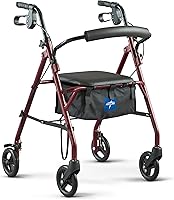
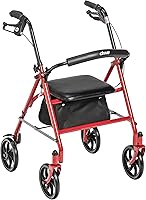
How to Use a Walker Correctly
To use a walker correctly, set the handles level with your wrist crease, step into the walker, and move it forward before you step rather than dragging it. Keep your weight centered, move slowly into turns, and lock brakes before sitting or standing.
On this page (9 sections)
- How do you set the height of a walker?
- How to use a walker correctly when you take your first steps
- How do you use a 2 wheel walker without it rolling forward
- How do you step, turn, and change direction safely
- How do you sit down and stand up with a walker
- How do you use a walker correctly on slopes, curbs, and uneven ground
- How do you use a walker on stairs and in tight spaces
- What safety checks should you do before every walk
- How do you care for a walker and build good habits
To use a walker correctly, adjust the height first, then step into the frame with small steps and move the walker before your feet. The same basic pattern works for a standard walker and a front-wheeled walker, but front wheels need extra control on turns and slopes.
You will get more stable support when the walker is close, upright, and moving in short steps. Rushing, reaching, or letting the walker drift ahead of you puts more load on your arms and less on the frame.
How do you set the height of a walker?
Set the top of the handles at your wrist crease when you stand tall with your shoes on. Your elbows should bend slightly, not lock straight or hunch over your shoulders.
Stand with your heels under the back legs and your arms relaxed at your sides. Raise or lower each side evenly until the handle tops line up with the crease where your wrist bends.
Tighten the adjustment buttons or clamps fully before you put weight on the frame.
Check the fit again after a short walk. Handles set too high make you lean forward, while a lower setting helps you stand upright.
Keep both sides level for even support, since uneven handles can make the walker tilt on carpet and uneven floors.
How to use a walker correctly when you take your first steps
Move the walker forward a short distance, then step up to its back legs. Do not step first and pull it after you, since that leaves you unsupported mid stride.
Start with all legs or wheels flat and both hands on the handles. Lift it 6 to 12 inches, set it down flat, then step with your weaker leg first.
Bring your stronger leg to meet it, keeping weight through your arms, not hanging from handles.
Look ahead and keep steps short enough that you do not need to reach. Our guide to types of walkers for disabled explains frame differences, so match the pattern to your wheels.
How do you use a 2 wheel walker without it rolling forward
A front-wheeled walker rolls forward when you load it, so keep steps small and weight centered. The rear legs add grip but do not brake the front wheels alone.
Lift the walker slightly as you bring it forward, then set it down flat before you step. Avoid pushing it several steps ahead while walking beside it.
Keep front wheels pointed straight ahead, using small corrections instead of wide swings that let the frame drift. Slow before thresholds, rugs, and cords, since a small wheel can stop suddenly at a raised edge.
How to use a walker with 2 wheels on carpet
Shorten your steps and move the walker with a small lift on carpet. Carpet creates drag on the front wheels, which can make the walker lag behind your step if you move too fast.
Lift the front of the frame just enough to start the motion, then set it down and step. Do not drag it across thick carpet, since dragging can move it sideways and twist your stance.
If the walker keeps sticking, check for a curled rug edge or a heavy pad underneath. A smoother path is safer than forcing the wheels through a snag.
How do you step, turn, and change direction safely
Turn in small steps with the walker in front of you, and pivot your feet instead of twisting your body. Twisting while leaning can shift your balance outside the frame.
To turn, stop with both feet planted. Move the walker a short distance in the new direction, then take a small step toward it.
Turn your feet in stages until you face the new direction, keeping the walker close throughout.
Use the same method for doorways and corners. Open the door first, help the walker through, then step in behind it.
Do not pull the walker through while beside it.
For types of walkers for seniors, a tight kitchen turn or bathroom doorway often needs three or four small steps, not one wide pivot.
How do you sit down and stand up with a walker
Stop the walker, set it squarely in front of you, and use the chair for support as you lower or rise. Never use the walker as a chair, and never pull yourself up by the handles alone.
To sit, back up until your legs touch the chair seat. Keep the walker in front of you with all legs or wheels flat, then lower yourself slowly while holding the chair or its arms when available.
To stand, scoot to the front edge of the chair and place both feet flat. Push through your legs to rise, keep the walker close, and place both hands on the handles once upright.
Do not turn the walker sideways to stand, and do not reach for it while seated. Reaching can pull the frame toward you and throw off your balance.
How do you use a walker correctly on slopes, curbs, and uneven ground
Face a slope squarely, keep the walker close, and take short steps directly up or down. Slopes shift weight through the frame, so speed and extra reach increase risk.
Going uphill, move the walker a short distance ahead, then step up to it. Keep your body close and avoid leaning forward to chase the wheels.
Going downhill, lower the walker first, then step down to it in small steps. Let the frame set before you follow, and keep arms ready to control its forward roll.
For curbs, approach squarely and step up with the stronger leg first when you can. Ask for a handrail or helper at tall curbs, and never step up while the walker is still rolling.
Our picks for best walkers for seniors cover frame choices for different surfaces, but technique still matters.
How do you use a walker on stairs and in tight spaces
Do not carry a walker up stairs while you use it, and do not push it ahead of you on steps. Stairs call for a handrail, a helper, and a plan from a clinician or therapist before you try them.
If you must move a walker between floors, carry it folded or lifted only when stable and with a free hand for the rail. Never carry it while stepping, and never hold it with one hand while you climb.
In tight spaces, pause before a doorway and check the width. Move the walker through first at the correct angle, then step through behind it with small steps.
Bathrooms need extra planning because of wet floors and close walls, so keep the walker on dry flooring where possible.
How do you correctly use a walker in a bathroom
Use short steps, keep the walker close, and support yourself with fixed rails or a stable seat for transfers. A walker helps you move across the room, but it does not replace a grab bar at a tub or toilet.
Bring the walker to the chair or toilet first, lock or set it squarely, then use the fixed support to lower or rise. Do not hold the walker while you step into a tub or shower unless a clinician has shown you a safe method.
Keep wheels and legs away from standing water when you can. Dry the floor path before you walk, and turn in stages instead of spinning in a small wet space.
What safety checks should you do before every walk
Check the handles, feet, wheels, and brakes before you stand, and keep the path clear ahead. A short check takes less time than recovering from a loose part or a blocked doorway.
Look at the rubber feet or wheels for cracks, worn tread, and loose fittings. Tighten adjustment buttons, check that both sides match in height, and confirm that any brakes hold before you lean on the frame.
Clear the route of cords, small rugs, and clutter. A walker needs a full step length ahead, not just room for your body, so move furniture or boxes that force you to squeeze past.
Wear shoes with firm soles and a low heel that stays on your foot. Socks alone can slide, and loose slippers can catch on the frame or on floor edges.
When should a cane help instead of a walker
A cane can suit short, stable walks when you need light balance support rather than full frame support. The HurryCane Freedom Edition Foldable Walking Cane has a T handle, a SteadiGrip base, and an adjustable height range of 30.5 to 37.5 inches.
Its frame is aluminum, its handle is rubber, and it folds to 13.7 inches for storage or travel. The pivoting base gives three points of contact, which can feel steadier than a single-tip cane on flat indoor floors.
A cane does not replace a walker when you need support on both sides, frequent rest stops, or help with stairs and slopes. If you lean heavily on the cane, sit often, or feel unsteady in turns, a walker frame is often the safer choice.
For families comparing options, walker for kids covers sizing and supervision for younger users. Adult sizing follows the same wrist-crease rule, with adjustments for shoe height and posture.
How do you care for a walker and build good habits
Wipe the frame, check the feet and wheels weekly, and store the walker where it cannot tip over. Small wear items affect control long before the frame itself looks worn.
Wipe handles and grips with a damp cloth and mild soap, then dry them so they do not slip. Check rubber feet for thinning, check wheels for hair or thread, and tighten loose bolts or clamps.
Walk at a pace that lets you stop quickly. If you need to catch your breath, reach for a stable chair instead of leaning on the walker, since a standard walker is not a seat.
Practice turns, doorways, and sitting in a clear room before you use them in public.
Frequently asked questions
How far should a walker be from your body when you walk?
Keep the walker a short step ahead of your feet, not beside your hips or far in front. Move it forward first, then step up to the back legs with a small step.
This keeps your weight over the frame and reduces pulling or reaching.
Can you use a walker on stairs?
Most standard and front-wheeled walkers are not made for stairs. Use a handrail and a trained helper for steps, and ask a therapist or clinician for a plan.
Never carry a walker up stairs while you are on it or push it ahead of you.
How do you turn with a walker safely?
Stop, plant both feet, and turn in small steps while keeping the walker close. Pivot your feet instead of twisting your waist, and keep the frame in front of you throughout the turn.
Sit down first if the space is too tight for a safe turn.