Types of Manual Wheelchairs: A Helpful Guide
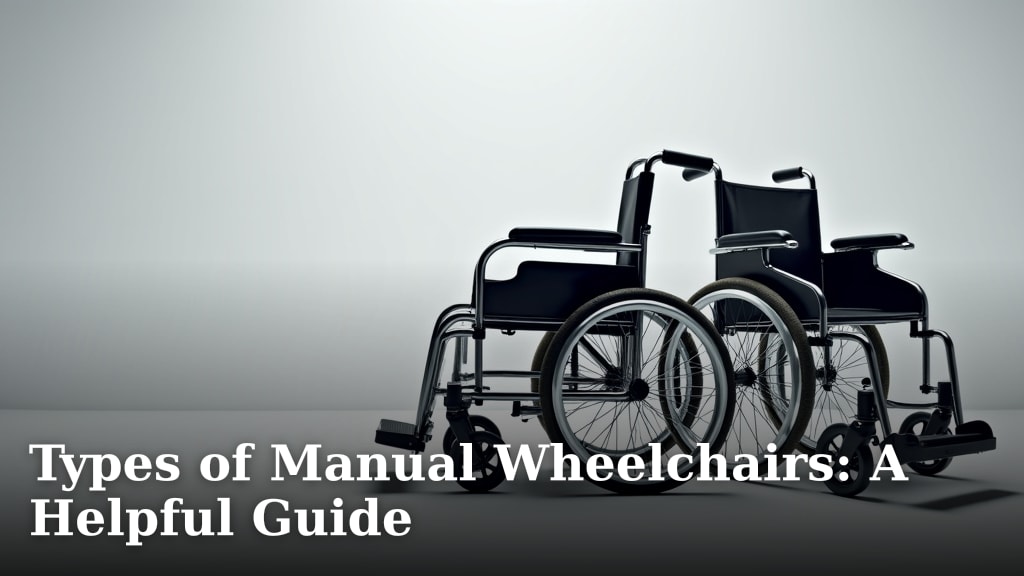
Manual wheelchairs come in several main types, each designed for different needs. You’ll find standard wheelchairs for basic mobility, lightweight wheelchairs for easier transport, and heavy-duty wheelchairs for larger individuals. There are also specialized options like transport chairs and recliners for specific medical requirements. Knowing these differences helps you pick the best fit for your daily life.
Choosing the right manual wheelchair means considering factors like how often you’ll use it, where you’ll go, and how it will be transported. A lightweight model might be great for traveling, while a more robust option could offer better support for everyday use. We found that thinking about these details beforehand can save a lot of hassle later on. A power assist wheelchair can help conserve energy for longer outings.
- Standard wheelchairs are for general use.
- Lightweight models are easier to move and lift.
- Heavy-duty chairs provide extra support.
- Transport chairs are for someone else to push.
- Reclining chairs offer pressure relief and comfort.
Let’s break down these different types so you can make an informed decision about which manual wheelchair is right for you.
Understanding Your Manual Wheelchair Options
Choosing a manual wheelchair can feel like a big decision. You want something that fits your lifestyle. We’ve looked into the main types to help you find the best match. Think about how you’ll use it daily.
Standard Wheelchairs: The Everyday Workhorse
These are the most common type you’ll see. They’re built for general use. You can rely on them for getting around the house or for short trips.
Key Features and Uses
Standard wheelchairs often have a sturdy frame. They typically have fixed or flip-up armrests. Footrests are usually fixed as well. They work well for people who don’t need to transport the chair often. They can be a bit heavier, making them harder to lift into a car. Many come with a seatbelt for added safety. Research shows they offer good stability for general mobility needs.
Who Might Benefit Most?
If you use a wheelchair at home primarily, this could be a good choice. It’s also suitable if someone else will always transport it for you. It’s a solid, dependable option for basic mobility. We found that for individuals with less frequent travel needs, these are often a cost-effective solution.
Lightweight Wheelchairs: For Mobility and Travel
As the name suggests, these chairs are designed to be lighter. This makes a big difference when you need to lift or maneuver the chair. They are a popular choice for active users.
Benefits of a Lighter Frame
The reduced weight makes them easier to push. Lifting them into a car trunk or moving them up steps becomes much more manageable. Many lightweight models feature quick-release wheels. This further simplifies transport and storage. Some can even fold very compactly. Many experts suggest lightweight models for those who travel frequently or need to self-propel with less effort (CDC).
Types of Lightweight Models
Standard Lightweight
These offer a good balance between weight and durability. They are still robust enough for daily use but easier to manage than standard models. Armrests might be removable or flip-up. Footrests are often adjustable.
Ultra-Lightweight
For maximum portability, ultra-lightweight options exist. They are often made with advanced materials like aluminum or titanium. These are usually designed for active users who need to fold and lift their chair regularly. They may have fewer padded features to save weight.
Heavy-Duty Wheelchairs: Enhanced Support and Capacity
Sometimes, a standard or lightweight chair just won’t provide enough support. Heavy-duty wheelchairs are built for individuals who need a wider seat or a higher weight capacity. They offer a more robust and comfortable seating experience.
When Extra Support is Needed
These chairs are built to hold more weight, often up to 500 pounds or more. They have wider seats and reinforced frames. This ensures safety and comfort for larger individuals. They provide extra stability. Many guidelines from rehabilitation specialists recommend these for users needing increased bariatric support (NIH).
Construction and Features
Expect sturdy construction with reinforced side panels. Armrests are often padded and durable. Footplates are typically wider and adjustable. These chairs can be heavier, so consider how they will be transported. They prioritize strength and long-term comfort.

Transport Chairs: Designed for Assistance
A transport chair looks similar to a manual wheelchair, but with a key difference: it’s not meant for self-propulsion. Someone else pushes the user.
How They Work
Transport chairs have smaller rear wheels. They also have larger front wheels for steering. They lack the large rear hand rims that allow users to propel themselves. Their primary purpose is safe and easy transport by a caregiver or attendant. They are often lighter and more compact than standard wheelchairs.
Ideal Situations for Use
These are perfect for appointments, short outings, or situations where the user tires easily. They are easier to maneuver in tight spaces. Since they are lighter, they are simpler to lift into a vehicle. We found many users appreciate them for doctor’s visits or shopping trips.
Reclining Wheelchairs: For Comfort and Pressure Relief
When you need to change positions or relieve pressure, a reclining wheelchair is the answer. They offer a wider range of movement for comfort and health.
The Importance of Reclining
Staying in one position for too long can lead to discomfort and skin issues. Reclining chairs allow you to lean back. This can help redistribute weight and improve circulation. They are often recommended for individuals with specific medical conditions or those who spend a lot of time seated. Research from organizations like the Cleveland Clinic highlights the benefits of pressure relief for skin integrity.
Features to Look For
These chairs have a backrest that can adjust to various angles. Some models even allow the leg rests to elevate independently. This provides maximum comfort and support. They can be heavier and bulkier than other types. They are best suited for users who have assistance with mobility or have dedicated spaces.
Specialty Wheelchairs: Beyond the Basics
Beyond the main categories, you’ll find chairs designed for very specific needs. These might include sports wheelchairs or standing wheelchairs. They cater to unique activities or therapeutic requirements.
Examples of Specialized Designs
Sports wheelchairs are built for speed and maneuverability on the court or track. Standing wheelchairs allow users to stand upright, which can be beneficial for health and social interaction. Pediatric wheelchairs are sized specifically for children, offering appropriate support and features for young users. Each serves a distinct purpose.
We’ve covered a lot of ground on wheelchair types. Now, let’s put it into a quick checklist to help you think about your needs:
- Your primary environment: Indoors, outdoors, or both?
- Transportation: Will you lift it into a car often?
- Self-propulsion: Do you plan to push yourself, or will someone assist?
- Weight capacity: Do you need extra support or a higher weight limit?
- Comfort needs: Is pressure relief or changing positions important?
- Budget: What price range are you considering?
Conclusion
Choosing the right manual wheelchair is about matching the chair to your life. We’ve looked at standard, lightweight, heavy-duty, transport, and reclining chairs. Each has unique benefits for different needs. Think about how you’ll use the chair daily. Consider transport ease, who will propel it, and any comfort requirements. By understanding these options, you can find a chair that supports your independence and comfort. Your next step is to assess your personal needs against these types to make the best choice.
Frequently Asked Questions
Can I use a transport chair for myself if I can’t walk well but can push myself?
No, transport chairs are designed for someone else to push you. They lack the large rear wheels with hand rims that allow for self-propulsion. You would need a standard or lightweight manual wheelchair if you plan to propel yourself.
Are lightweight wheelchairs durable enough for daily use?
Yes, many lightweight wheelchairs are built for daily use. They balance reduced weight with sturdy construction. While they might not be as heavy-duty as some standard models, they offer good durability for regular activities.
How do I know if I need a heavy-duty wheelchair?
You likely need a heavy-duty wheelchair if you require a higher weight capacity, often over 300 pounds, or need a wider seat for comfort. They are built with reinforced frames and stronger components to provide extra support and safety.
What is the main difference between a standard wheelchair and a transport chair?
The main difference is who propels the chair. Standard wheelchairs are designed for the user to self-propel or for assistance. Transport chairs are strictly designed to be pushed by a caregiver or attendant.
Are reclining wheelchairs very heavy and hard to move?
Reclining wheelchairs can be heavier and bulkier than other types due to their adjustable backrests and often elevating leg rests. They are best suited for users who have assistance available or who spend most of their time in a dedicated space.