What Is a Group 2 Power Wheelchair? The Basics
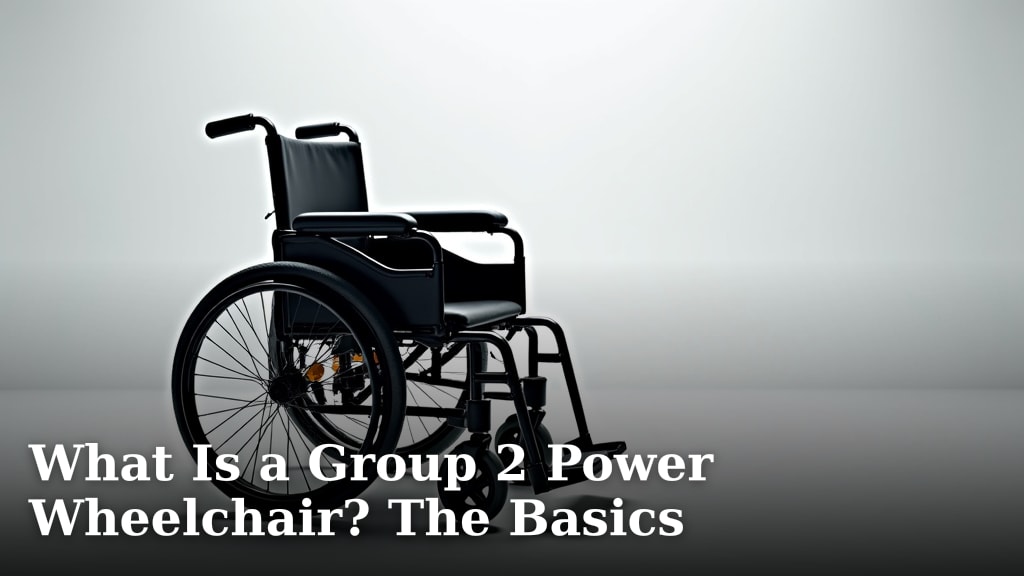
A Group 2 power wheelchair is a type of power-assisted mobility device designed for individuals who have limited mobility but can still operate a joystick or other power control. These chairs offer a balance of performance and portability for everyday use.
You’ll often find Group 2 chairs recommended for those with conditions like mild to moderate strength loss or balance issues. They are generally more affordable and easier to transport than higher-group power chairs. Many models feature basic functions for navigating indoor and outdoor environments.
- Group 2 power wheelchairs help people with limited mobility.
- They use a joystick for control.
- They are a good option for everyday use.
- These chairs balance performance with portability.
Ready to understand if a Group 2 power wheelchair is the right fit for your needs? Let’s break down what makes them tick.
“`htmlUnderstanding Group 2 Power Wheelchairs: The Essentials
So, you’re wondering what makes a power wheelchair fall into the “Group 2” category? It’s a classification system used in the mobility world. Think of it like different tiers of service on an airplane. Group 2 chairs are designed for individuals who need more than a basic manual wheelchair but don’t require the advanced features of higher-group power chairs. They offer a solid middle ground. We found that these chairs are a popular choice for many people seeking increased independence in their daily lives.
What Exactly Defines a Group 2 Power Wheelchair?
The primary definition of a Group 2 power wheelchair is based on its functionality and capabilities. These chairs are intended for users with mild to moderate functional limitations. This means you might have some weakness or balance issues. You’re likely able to operate a single power control, like a joystick. You don’t necessarily need a highly complex seating system. Many experts agree that Group 2 chairs represent a good starting point for many power chair users (Medicare.gov).
Key Characteristics to Look For
When we look at Group 2 power wheelchairs, several key features stand out. They are built for basic indoor and outdoor use. They offer reliable mobility without overwhelming complexity. You’ll find they are generally easier to maneuver in standard home environments compared to more robust models. Portability is also a consideration, though it varies by specific model.
Basic Functions and Controls
The control system is typically a simple joystick. This allows for intuitive operation. You can move forward, backward, turn, and adjust speed. These chairs are designed to handle typical flat surfaces. They can manage some gentle inclines. The focus is on providing reliable, straightforward mobility assistance. We found that users often appreciate the simplicity of these controls.
Typical Weight Capacity
Group 2 power wheelchairs usually have a weight capacity of around 300 pounds. This is a standard benchmark. Always check the specific manufacturer’s specifications for the model you are considering. Exceeding the weight limit can affect performance and safety. It’s important to ensure the chair can safely support your needs. Research from mobility device guidelines often points to this general range.
Who Benefits Most from a Group 2 Power Wheelchair?
These chairs are a fantastic option for individuals who have conditions affecting their mobility but can still maintain head and trunk control. We found that conditions like mild multiple sclerosis, post-stroke recovery, or early-stage muscular dystrophy often lead people to consider a Group 2 chair. The ability to operate a joystick is key.
Conditions Often Addressed
If you experience mild to moderate weakness in your legs or arms, a Group 2 chair might be suitable. Issues with stamina or balance can also make walking difficult. You might find that you can walk short distances, but longer outings or daily tasks become exhausting. This is where a power wheelchair can make a big difference.
Independence and Daily Tasks
The goal of a Group 2 power wheelchair is to help you maintain your independence. You can navigate your home, visit friends, or do some shopping more easily. It’s about regaining control over your mobility. Many users report an improved quality of life. They feel more connected to their community. We’ve heard from many that it helps them manage daily chores with less fatigue.
Comparing Group 2 to Other Power Wheelchair Groups
Understanding where Group 2 fits helps you make a better choice. There are several groups for power wheelchairs, each with different capabilities and requirements. Group 1 chairs are the most basic. Group 3 and above are for individuals with more complex needs, often requiring specialized seating or advanced driving capabilities.
Group 1: The Entry Level
Group 1 power wheelchairs are the simplest. They are generally for users with very basic mobility needs. They might have slower speeds and less robust construction. They are often a stepping stone to a Group 2 chair if more functionality is needed. They usually lack the advanced features found in Group 2.
Group 3 and Higher: Advanced Capabilities
Chairs in Group 3, Group 4, and beyond are for individuals with more severe mobility impairments. These chairs often come with features like power-elevating leg rests, tilt-in-space, or recline functions. They can handle more challenging terrains and higher weight capacities. They are typically more expensive and less portable. The control systems can also be more customizable for specific needs.
Why Group 2 is Often the Sweet Spot
Group 2 chairs hit a sweet spot for many. They offer a significant upgrade from manual mobility. Yet, they remain relatively affordable and manageable for everyday use. They provide a good balance of independence without the complexity and cost of higher-group chairs. We found that the Medicare coverage guidelines often reflect this balance in recommended use.
Key Features and Considerations for Group 2 Chairs
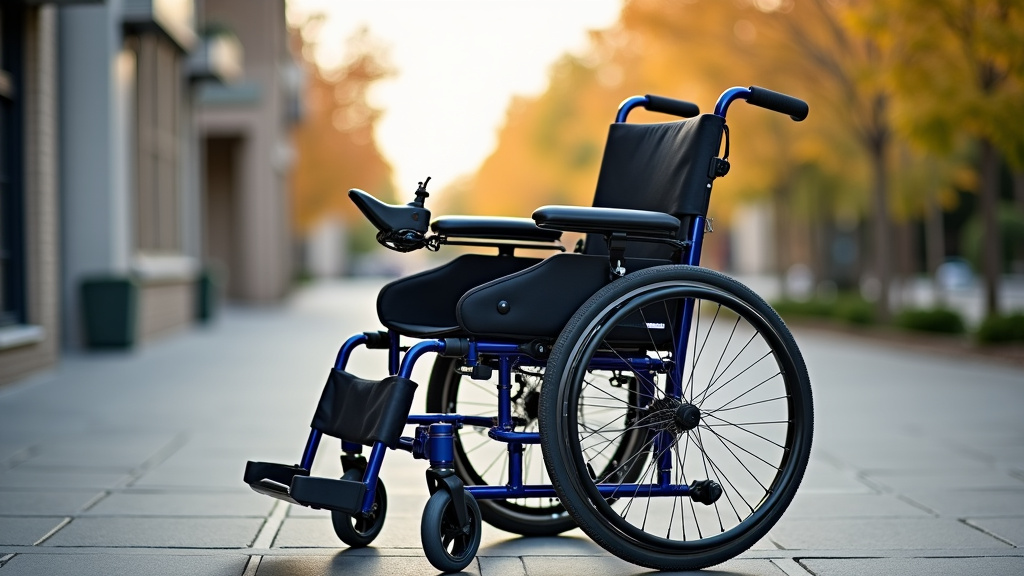
When you’re looking at Group 2 power wheelchairs, there are several features to pay attention to. These will help you find the chair that best suits your lifestyle and needs. Think about where you’ll be using it most.
Indoor vs. Outdoor Use
Most Group 2 chairs are designed for both indoor and outdoor use. However, their performance can vary. Some models are more agile indoors, with tighter turning radiuses. Others might be better suited for outdoor paths and sidewalks. Consider the terrain you’ll be navigating. Many manufacturers specify the types of surfaces their chairs are best suited for.
Battery Life and Charging
Battery life is a big one! You don’t want to be stranded. Standard Group 2 chairs typically offer a range of 10-15 miles on a full charge. This can vary greatly depending on battery size, user weight, terrain, and driving habits. Charging usually takes several hours. Always check the battery specifications and charging times.
Portability and Disassembly
While not as easily disassembled as some travel mobility scooters, some Group 2 power wheelchairs can be partially taken apart for transport. This is often called “field stripping.” You might be able to remove the seat, batteries, and sometimes the joystick. Check if the chair breaks down into manageable pieces for your vehicle. This is a crucial factor if you travel often.
Seating and Comfort
Group 2 chairs usually come with a standard captain’s seat. These are comfortable for many users. However, some models offer upgraded seating options. You might find options for more lumbar support or different cushion materials. If you’ll be spending long hours in the chair, seating comfort is extremely important. We suggest trying out different seating options if possible.
Making Sure a Group 2 Chair is Right for You
Deciding if a Group 2 power wheelchair is your best option involves a few steps. It’s not just about picking one off the shelf. It’s about finding the right tool to help you live your life more fully.
Consulting with Healthcare Professionals
This is a really important step. Your doctor, a physical therapist, or an occupational therapist can help assess your needs. They can recommend the appropriate group level. They can also suggest specific features to look for. They often work with insurance providers and understand the coverage requirements. Many guidelines from health organizations stress the importance of professional assessment (CDC).
Understanding Insurance and Coverage
Insurance coverage for power wheelchairs can be complex. Medicare, Medicaid, and private insurance plans often have specific criteria for approving power wheelchairs. Group 2 chairs are frequently covered when deemed medically necessary. You’ll likely need a prescription and documentation from your doctor. We found that understanding your specific plan details is key.
Your Daily Routine Checklist
Before you make a decision, think about your daily life. Ask yourself these questions:
- Where will I use this chair most often? (Indoors, outdoors, a mix?)
- How far do I typically travel in a day?
- Will I need to transport the chair in a vehicle?
- What level of comfort do I need in the seating?
- Can I operate a joystick with ease?
- What are my biggest mobility challenges right now?
Answering these honestly will guide you toward the right type of mobility device. It helps ensure your investment truly supports your lifestyle.
“`Conclusion
As we’ve discussed, a Group 2 power wheelchair offers a practical solution for those needing mobility support beyond basic manual options. These chairs strike a balance between essential functionality and manageable portability, making them ideal for daily tasks. They provide a solid foundation for regaining independence without unnecessary complexity or cost. Your next step is to consult with your healthcare provider to determine if a Group 2 chair aligns with your specific needs and to understand insurance coverage. This professional guidance ensures you find the right mobility aid for your lifestyle.
Frequently Asked Questions
What is the main difference between a Group 1 and Group 2 power wheelchair?
A Group 1 power wheelchair is the most basic option, designed for very simple mobility needs. In contrast, a Group 2 chair offers more advanced capabilities, suitable for users with mild to moderate functional limitations. Group 2 chairs are generally more robust and offer better performance for everyday use.
Can a Group 2 power wheelchair be used outdoors?
Yes, most Group 2 power wheelchairs are designed for both indoor and outdoor use. They can handle typical outdoor surfaces like sidewalks and paved paths. However, their performance on rough terrain or steep inclines may be limited compared to higher-group chairs.
How far can a Group 2 power wheelchair travel on a single charge?
Typically, a Group 2 power wheelchair can travel between 10 to 15 miles on a full charge. This range can vary significantly based on factors like battery size, user weight, terrain, and how the chair is operated. Always check the specific model’s battery specifications.
What kind of weight capacity should I expect from a Group 2 power wheelchair?
Group 2 power wheelchairs generally have a weight capacity of around 300 pounds. It’s essential to always check the manufacturer’s specifications for the exact weight limit of any chair you are considering to ensure safe and optimal performance.
Is a Group 2 power wheelchair difficult to transport in a car?
Transporting a Group 2 power wheelchair can vary by model. Some can be partially disassembled into lighter parts, often called “field stripping,” making them easier to load into a vehicle. It’s important to check if a specific model breaks down into manageable pieces for your car.