What Is an Indoor Power Wheelchair? A Quick Primer

An indoor power wheelchair is a mobility device designed specifically for navigating the inside of your home. It helps people with limited mobility move around independently in spaces like living rooms, kitchens, and bedrooms. Think of it as your personal chariot for conquering household adventures.
These chairs differ from outdoor models by being more compact and agile, perfect for tighter turns. They often have features like smaller turning radiuses and gentler acceleration to ensure safety and ease of use within your living environment. We found they truly make a difference in daily independence.
- Indoor power wheelchairs help you move around your home freely.
- They are smaller and more maneuverable than outdoor chairs.
- Key features include tight turning ability and smooth control.
- They are designed for safety and ease in residential settings.
Let’s take a closer look at what makes these chairs so useful for navigating your personal space.
Understanding the Indoor Power Wheelchair
An indoor power wheelchair is a specialized mobility device. It’s built to help you move around comfortably and safely inside your home. Think of it as your personal assistant for navigating everyday living spaces. It’s designed for areas like hallways, kitchens, and bedrooms. These chairs offer a fantastic way to regain independence at home.
Unlike their outdoor cousins, these chairs are typically more compact. They are made for easier maneuvering in tighter spots. You might be wondering what makes them different. We found they focus on agility and control within a residential setting. This means they often have a smaller turning radius.
Key Features That Make a Difference
When you look at indoor power wheelchairs, certain features stand out. These are the elements that make them so practical for home use. They are designed with your comfort and safety in mind. We see that careful design is key to their usefulness.
Maneuverability and Turning Radius
One of the most important features is how easily the chair can turn. An indoor power wheelchair often has a tight turning radius. This means it can pivot in place or turn in a very small circle. This is essential for navigating narrow hallways or small rooms. Imagine trying to turn around in your kitchen to get to the refrigerator. A chair with a good turning radius makes this simple, not a struggle.
We found that a turning radius of under 30 inches is common for these chairs. Some can even turn completely in place, like a zero-turn mower. This ability allows you to move through your home with far less effort. It makes reaching different areas of your house much more accessible. You won’t feel as restricted in your movement.
Size and Dimensions
Indoor power wheelchairs are generally smaller and lighter than outdoor models. Their width is often less than 25 inches. This narrower profile is a big advantage. It helps you fit through standard doorways without needing to squeeze. Many homes have doorways that are 30-32 inches wide. A chair that’s under 25 inches wide gives you plenty of clearance.
The overall length is also typically shorter. This helps with making turns without bumping into furniture. We research that the compact design is one of the most frequently cited benefits by users. It allows the chair to blend more easily into your living environment. You don’t feel like you’re driving a large vehicle indoors.
Speed and Control
Indoor power wheelchairs usually have a lower top speed. This is a safety feature. For home use, you don’t need to go very fast. A slower speed allows for better control, especially around obstacles. It also makes acceleration and deceleration gentler. This provides a smoother ride. You feel more secure and less likely to experience sudden jolts.
Many models offer adjustable speed settings. You can set a comfortable pace for yourself. We found that many users appreciate the smooth, predictable movements. This controlled performance is vital when navigating around delicate items or pets. It reduces the risk of accidents and makes the chair feel more responsive to your commands.
Seating and Comfort
Comfort is a big part of any power wheelchair. Indoor models often feature supportive seating. This can include cushioned seats and backrests. Some chairs offer adjustable features like recline, tilt, or elevating leg rests. These options help you find the perfect position for support and relief. If you spend a lot of time in your chair, comfort is non-negotiable.
We found that many chairs come with a standard seat. However, options for specialized cushions are often available. These can help with pressure relief or posture support. The goal is to make sitting for extended periods as comfortable as possible. Good seating can make a huge difference in your daily well-being.
Battery Life and Charging
The battery life on indoor power wheelchairs is designed for home use. You typically won’t need to travel long distances. Most batteries will last for a full day of normal activity around the house. Charging is usually straightforward. Many chairs come with a home charger. You can simply plug it into a standard wall outlet.
We found that charging times can vary. Some batteries recharge fully overnight. Others might take a few hours. It’s wise to check the manufacturer’s specifications. Keeping the battery charged is important for uninterrupted use. You don’t want to run out of power when you need to move around.
Who Can Benefit from an Indoor Power Wheelchair?
Anyone who has difficulty walking or moving around their home can benefit. This includes individuals with a variety of health conditions. We’ve seen that it’s often people recovering from surgery or illness. It can also be those with chronic conditions that affect mobility.
Consider conditions like arthritis, multiple sclerosis (MS), or Parkinson’s disease. People with stroke recovery needs or general frailty might also find them helpful. Even age-related mobility challenges can make these chairs a great option. The main goal is to maintain your independence and quality of life at home.
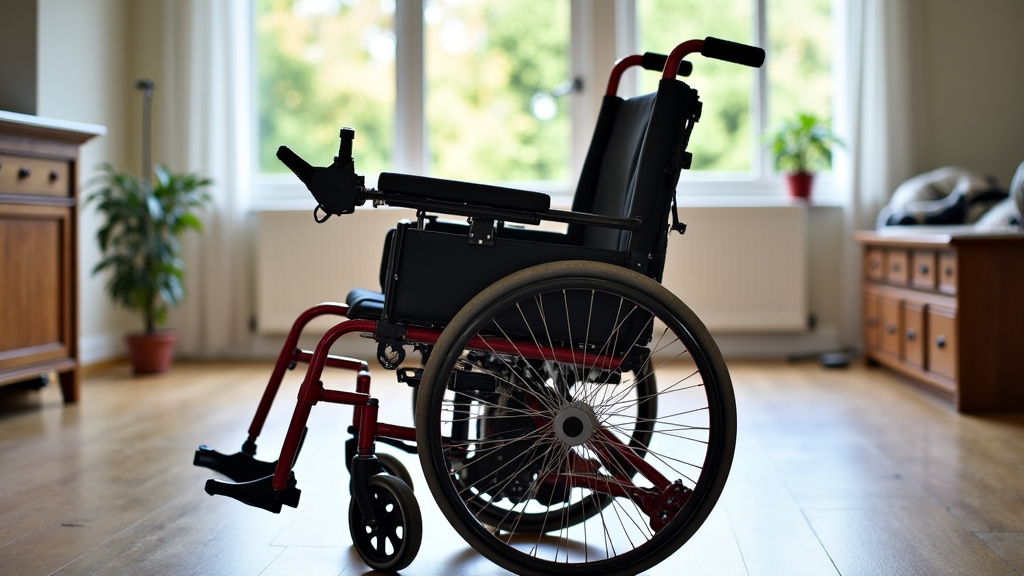
Comparing Indoor vs. Outdoor Power Wheelchairs
It’s helpful to understand the key differences between indoor and outdoor models. While both are power wheelchairs, their design priorities differ. This helps you choose the right one for your needs. We’ve put together a simple comparison.
| Feature | Indoor Power Wheelchair | Outdoor Power Wheelchair |
|---|---|---|
| Size | Compact, narrower | Larger, wider |
| Maneuverability | Excellent in tight spaces, small turning radius | Good for open spaces, larger turning radius |
| Speed | Lower top speed, more controlled acceleration | Higher top speed, faster acceleration |
| Tires | Smaller, smooth for indoor surfaces | Larger, rugged for varied terrain |
| Suspension | Basic or none, designed for smooth floors | Advanced, for shock absorption on rough ground |
| Battery | Sufficient for indoor use, often simpler charging | Larger capacity for longer distances, faster charging needed |
We found that using an indoor chair outdoors can be challenging. Its smaller tires and less robust suspension aren’t built for curbs or uneven ground. Likewise, an outdoor chair can be too large and difficult to handle inside your home. Choosing the right type ensures you get the best performance and safety.
Making Your Home Wheelchair-Friendly
Once you have an indoor power wheelchair, you might want to make a few adjustments to your home. These changes can enhance your safety and ease of use. We found that small modifications can make a big impact.
- Clear Pathways: Ensure hallways and main living areas are free of clutter.
- Doorways: Check that doorways are wide enough for your chair. Ramps can help with small thresholds.
- Furniture Arrangement: Position furniture to allow easy passage.
- Accessible Controls: Consider reaching light switches and thermostats easily.
- Flooring: Smooth, low-pile carpets or hard floors are best.
These adjustments help you get the most out of your new mobility device. They create a safer and more convenient living space for you to navigate independently. For those seeking a lighter alternative to a fully motorized chair, a power assist wheelchair offers electric assistance to manual pushing.
Conclusion
An indoor power wheelchair can truly transform your home life. You’ve learned how its compact design and tight turning radius make navigating familiar spaces easier. We’ve seen that features like controlled speed and comfortable seating are key for daily independence. These chairs are built for safety and ease within your personal environment.
If you’re looking to regain freedom and mobility at home, this could be your solution. Your next step is to research specific models that fit your home’s layout and your personal needs.
Frequently Asked Questions
Do I need a prescription for an indoor power wheelchair?
Often, yes, you will need a prescription from your doctor. This is especially true if you plan to seek insurance coverage for the device. Your doctor can assess your mobility needs and provide the necessary documentation. We found that working with healthcare professionals ensures you get the right equipment.
Are indoor power wheelchairs difficult to charge?
Generally, no. Most indoor power wheelchairs come with a simple home charger. You can plug it directly into a standard wall outlet. Charging typically takes a few hours or overnight. We research that keeping the battery charged is straightforward for most users.
Can I use an indoor power wheelchair on carpets?
Yes, most indoor power wheelchairs can handle low-pile carpets. Their design is optimized for smooth indoor surfaces. For very thick or shag carpets, you might find movement is slower. We’ve found that the chair’s tires and motor handle standard carpeting well.
How much maintenance do these chairs require?
Indoor power wheelchairs require regular basic maintenance. This includes keeping the batteries charged and checking tire pressure. Occasional cleaning is also recommended. We advise referring to the manufacturer’s manual for specific care instructions. Professional servicing might be needed annually.
What if my doorways are very narrow?
If your doorways are narrower than standard, an indoor power wheelchair might still work. Many models have a very narrow width, often under 25 inches. This allows them to fit through many standard doorways with clearance. For unusually narrow openings, you may need to explore even more compact chair options or consider minor home modifications.