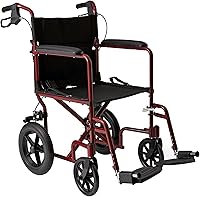
9 Best Bariatric Manual Wheelchairs (November 2026)
The best bariatric manual wheelchairs include the Medline Comfortable Folding Wheelchair for everyday comfort, the Drive Medical Blue Streak Lightweight Wheelchair for desk access, and the Medline Comfortable Folding Wheelchair with Swing-Back Desk-Length for easy transfers.
On this page (6 sections)
- The best bariatric manual wheelchairs for different users
- How do you choose a heavy duty bariatric wheelchair?
- Is a bariatric manual wheelchair better than a transport chair?
- What makes a bariatric manual wheelchair easier to use daily?
- Bariatric manual wheelchair care and setup
- Which is the best bariatric manual wheelchair?
The best bariatric manual wheelchair for most users is the Medline Comfortable Folding Wheelchair, because its 20 in seat, 300 lb capacity, folding frame and elevating leg rests cover common daily needs.
Choose PEPE Mobility when capacity is the main concern, Medorol for a 22 in self-propelled seat, or Vive for a 400 lb transport chair.
This roundup compares sturdy manual chairs for higher user weight capacities. We checked capacity, seat width, chair weight, folding design, transfer features and the type of control each chair offers.
Capacity comes first because a wider seat does not change what the frame can safely support. Seat fit comes next, since too little room can make sitting uncomfortable and too much width can make the chair hard to use at home.
Chair weight matters for the person who lifts it into a car or carries it up a step. A lighter folding chair may suit frequent trips, while a heavier reclining or high capacity chair may be better kept in one place.
If you need a lighter chair within a lower capacity range, compare our best lightweight bariatric wheelchair.
For more storage-friendly options, see the best bariatric folding wheelchair.
Our picks at a glance
-
1

-
2
 Best for desk access
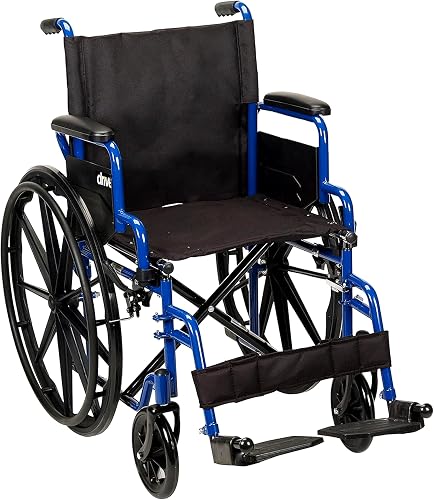
Drive Medical Blue Streak Lightweight Wheelchair
9.5/10 our score
See it on Amazon -
3
 Best for easy transfers
Medline Comfortable Folding Wheelchair with Swing-Back Desk-Length
9.5/10 our score
See it on Amazon
- 4
 Check it
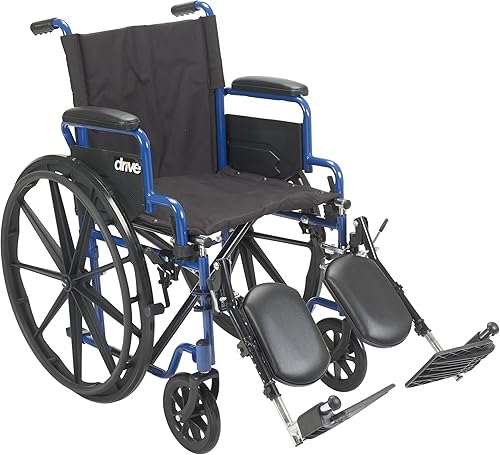
Drive Medical Blue Streak Foldable Wheelchair
Best for leg positioning - 5
 Check it
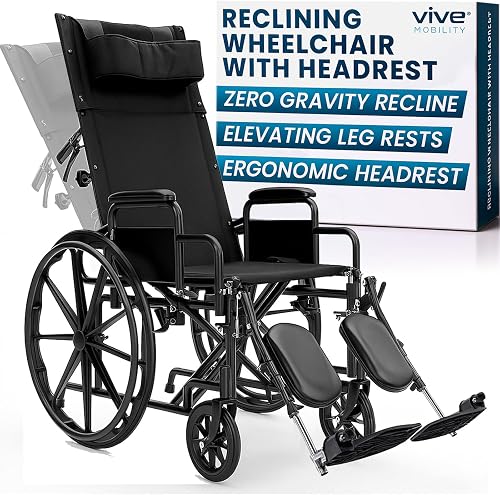
Vive Mobility Reclining Wheelchair with Elevating Leg
Best for reclining support - 6
 Check it
Karman 24 pounds LT-980 Ultra Lightweight Wheelchair
Best for lighter transport - 7
 Check it
PEPE Mobility Bariatric Wheelchair
Best for 500 lb capacity - 8
 Check it
Medorol Wheelchairs for Adults
Best for a 22 in self-propelled seat - 9
 Check it
Vive Bariatric Wheelchair for Adults
Best for 400 lb transport use
The best bariatric manual wheelchairs for different users
The best choice depends first on capacity and seat fit, then on transfer access, leg positioning, self-propulsion and transport weight. A chair with a higher capacity is not automatically the best match if it is too wide for the home or too heavy for the caregiver to lift.
Our score weighs specs, features and buyer feedback against what you're shopping for. Product names and features below stay within the stated capacity, dimensions and design details for each chair.
Medline Comfortable Folding Wheelchair: Best for everyday comfort
- 20 in W x 16 in D seat
- 300 lb capacity
- Swing-back desk-length arms
- Elevating leg rests
- 38 lb frame
A 20 in seat, swing-back arms and elevating leg rests make this a flexible daily chair for users within its 300 lb capacity.
Pros
- 20 in seat
- Folding frame
- Elevating leg rests
Cons
- 300 lb capacity
- 38 lb chair weight
The Medline Comfortable Folding Wheelchair is the strongest all-around pick for users who need a 20 in seat and stay within 300 lb capacity. Its 20 in W x 16 in D seat gives more room than the 16 in Drive Medical option, without moving to the widest chairs in this group.
That size suits adults who find an 18 in seat too snug for hips or clothing. The 16 in depth supports the legs without making the chair feel too long for indoor rooms.
Swing-back, desk-length arms help with lateral transfers and closer access to desks or tables. They can move out of the way for getting into bed, onto a toilet or into a car seat.
Elevating leg rests add positioning flexibility, while the 38 lb frame remains manageable for many caregivers. The hammertone frame, breathable nylon upholstery and smooth-rolling tires suit regular indoor and outdoor use, and nylon is easy to wipe clean.
A brake system locks the chair in place when stopped, which matters during transfers. Check that both brakes hold firmly before the user puts weight on the chair.
Its assembled width is 28.5 in, and its folded width is 11.5 in. Measure the narrowest doorway and vehicle space before choosing it.
Drive Medical Blue Streak Lightweight Wheelchair: Best for desk access
- 18 in seat
- 300 lb capacity
- Flip-back desk arms
- Swing-away footrests
- Push-to-lock brakes
Flip-back desk arms and swing-away footrests help with table access and transfers, while the folding steel frame supports up to 300 lb.
Pros
- Desk-length arms
- Swing-away footrests
- Push-to-lock brakes
Cons
- 18 in seat
- 41.3 lb chair weight
The Drive Medical Blue Streak is a practical choice for users who need desk access and a 300 lb capacity in an 18 in seat. Its flip-back desk arms let the user pull closer to a table or counter, while swing-away footrests make transfers easier.
Flip-back arms help at meals, work and appointments where a full length arm could block the chair from sliding under a surface. They also leave more space for a caregiver supporting the user during a transfer.
The alloy steel frame weighs 41.3 lb, heavier than the 38 lb Medline chairs, so lifting it into a vehicle may need more help. Push-to-lock brakes, solid wheels and push handles give control for both user and caregiver, while solid tires reduce flat tire worry but soften rough ground less than softer tires.
Its 16 in seat depth and 18 in seat height create a compact setup, and it folds to about 12.5 in wide for storage. Choose it when table access matters more than a 20 in seat, or compare the best extra wide bariatric wheelchairs for more room.
Medline Comfortable Folding Wheelchair with Swing-Back Desk-Length: Best for easy transfers
- 20 in W x 16 in D seat
- 300 lb capacity
- Swing-back desk-length arms
- Swing-away footrests
- 38 lb frame
The 20 in seat combines with swing-back arms and swing-away footrests to make side transfers and storage easier.
Pros
- 20 in seat
- Swing-away footrests
- Folds for storage
Cons
- 300 lb capacity
- No stated seat width above 20 in
This Medline model suits users who want a 20 in seat, desk access and easier foot positioning. Swing-back desk-length arms help with side transfers, while swing-away footrests reduce obstruction when getting into or out of the chair.
Swing-away footrests do not need to be fully removed for every transfer. They can move to the side, which helps when space beside the chair is tight.
Its 300 lb capacity and 38 lb frame match the first Medline pick, but the footrest design changes the daily experience. Elevating leg rests give more leg support, while swing-away footrests give faster access for getting in and out.
The dual-axle design and smooth tires are intended for varied everyday terrain. A higher axle position can change how the chair feels on slopes, so test it on the surfaces the user will use most.
The chair folds to 11.5 in wide, making closet or vehicle storage simpler than leaving a full-width chair assembled. The folded length still needs room, so check the car trunk or storage area before buying.
Its assembled width is 26.5 in, which may help in tighter indoor spaces than the 28.5 in Medline model. That extra clearance can matter in bathrooms or older homes with narrow doors.
Choose this version if swing-away footrests are more useful than elevating leg rests. Confirm the seat and doorway measurements before ordering.
Drive Medical Blue Streak Foldable Wheelchair: Best for leg positioning
- 16 in seat
- 300 lb capacity
- Elevating leg rests
- Padded desk arms
- Push-to-lock brakes
Elevating leg rests and padded desk arms suit users who need adjustable lower-leg positioning within a narrower 16 in seat.
Pros
- Elevating leg rests
- Desk arms
- Folding frame
Cons
- 16 in seat
- 47 lb chair weight
The Drive Medical Blue Streak Foldable Wheelchair is best for users who need elevating leg rests and can fit a 16 in seat. It supports up to 300 lb and includes padded desk arms for closer table access.
Elevating leg rests let the user raise the lower legs instead of keeping them flat all day. Some users prefer that position for comfort, while others may find a standard footrest position more natural.
The swing-away elevating leg rests allow easier transfers and adjustable lower-leg positioning. Calf pads can support the legs when the rests are raised, but the height still needs to suit the user.
The 47 lb chair is heavier than the other 300 lb Drive model, so transport may require more caregiver effort. That weight can be a real issue if the chair must be lifted often.
Push-to-lock brakes, smooth-rolling tires and push handles support daily use indoors and outdoors. Push handles give a caregiver a clear place to guide the chair on slopes or in crowded rooms.
Its folding frame helps with storage, but measure the folded and assembled dimensions against your vehicle. A chair that folds well at home may still be too long for a small car boot.
This is a fit-driven choice. Pick it for leg positioning, but choose a wider seat if 16 in does not leave enough room for comfortable seating.
Vive Mobility Reclining Wheelchair with Elevating Leg: Best for reclining support
- 180-degree recline
- 300 lb capacity
- Elevating leg rests
- 24 in rear wheels
- 60 lb frame
A full 180-degree recline, elevating leg rests and head support make this the most rest-focused chair in the group.
Pros
- 180-degree recline
- Elevating leg rests
- Locking rear brakes
Cons
- 60 lb chair weight
- 50 in length
The Vive Mobility Reclining Wheelchair is the best choice here for users who need a 180-degree reclining back and elevating leg rests. Its reinforced steel frame supports up to 300 lb, while the integrated headrest and detachable cervical cushion add support during reclined use.
A full recline can help users rest, nap or change position during a long day. Multiple locking angles let the chair be set between upright sitting and a flatter position.
The elevating leg rests work with the recline to support the legs when the back is lowered. Swing-away and height adjustable rests can also be removed to make transfers into a bed or vehicle easier.
The chair has 24 in rear wheels, 8 in front casters and locking rear brakes. Large rear wheels help with outdoor paths, while the front casters need a smoother surface to roll without catching.
Its 60 lb weight and 50 in length make it much less convenient to lift or store than the folding standard chairs. Plan for more clearance behind the chair and a fixed place in the home.
For a different seating position, compare this with our guide to choosing a bariatric reclining wheelchair. Choose the Vive when reclining is central to the user's routine.
Karman 24 pounds LT-980 Ultra Lightweight Wheelchair: Best for lighter transport
- 18 in W x 16 in D seat
- 250 lb capacity
- 24 lb frame without footrest
- Folding backrest
- Removable footrests
At 24 lb without the footrest, this is the easiest chair here to lift, but its 250 lb capacity excludes some bariatric users.
Pros
- 24 lb frame
- Folding backrest
- User-accessible handbrakes
Cons
- 250 lb capacity
- Fixed armrests
The Karman LT-980 is the lightest chair here at 24 lb without the footrest, but its 250 lb capacity makes it a limited bariatric choice. It suits users who need easier lifting and remain within that capacity.
That weight difference is large compared with chairs over 40 lb. A caregiver may find it much easier to lift into a car or move between rooms.
The 18 in W x 16 in D seat, folding backrest and folding seat create a compact transport setup. Folding the backrest can help the chair fit into smaller spaces than a fixed back design.
Removable, height-adjustable footrests allow more flexibility during transfers. Removing them can also reduce the lifting weight for a short trip, though the chair should not be used without secure foot support when moving.
Its aluminum frame includes padded nylon upholstery, desk-length arm pads, a seatbelt and handbrakes within reach of the seated user. A seatbelt can help keep the user positioned, but it is not a substitute for correct seat fit.
Solid polyurethane wheels are designed for low-maintenance rolling. The 22 in rear wheels and 6 in front casters suit smooth indoor floors and level outdoor paths better than rough ground.
Choose this chair only after confirming the user's weight and required seat width. If both capacity and extra room matter, PEPE Mobility or Medorol is a better fit.
PEPE Mobility Bariatric Wheelchair: Best for 500 lb capacity
- 22 in seat
- 500 lb capacity
- Self-propelled rear wheels
- Foldable armrests
- Adjustable removable footrests
The 22 in seat and 500 lb capacity make this the highest-capacity option here, with self-propelled rear wheels for users who retain safe control.
Pros
- 500 lb capacity
- 22 in seat
- Self-propelled design
Cons
- 64.37 lb chair weight
- Wider folded profile
The PEPE Mobility Bariatric Wheelchair is the strongest capacity pick, supporting up to 500 lb with a 22 in seat. Its large rear wheels can be operated by the user or an attendant, so it suits users who retain enough control for safe self-propulsion.
Self-propulsion needs enough arm strength, shoulder health and hand grip to push the handrims safely. It also needs good balance and the ability to steer and stop the chair in different places.
The solid steel frame, polyurethane front wheels and non-slip rear wheel surfaces are built around a higher-capacity design. A non-slip surface can help grip on damp or smooth floors, but it does not remove the need for brakes.
Foldable armrests and height-adjustable removable footrests can make transfers easier. Folding the armrests down gives more side access, while removable footrests clear the front of the chair.
A rear pocket provides space for small personal items, while the adjustable belt helps keep the user positioned. A pocket is handy for a phone or keys, but heavy items should not be carried there.
The chair folds to about 33.5 x 37.4 x 13.4 in. That folded profile is wider than some other folding chairs, so storage space needs to be checked.
At 64.37 lb, it is the heaviest chair in this roundup. Choose it for capacity and seat room, not for easy lifting.
Medorol Wheelchairs for Adults: Best for a 22 in self-propelled seat
- 22 in seat
- 400 lb capacity
- 24 in rear wheels
- Hand brakes
- Folded width of about 10.4 in
A 22 in seat, 400 lb capacity and 24 in rear wheels give larger users room and self-propelled control in a 40 lb folding chair.
Pros
- 22 in seat
- 400 lb capacity
- 40 lb chair weight
Cons
- Larger overall width
- Check doorway clearance
The Medorol Wheelchair combines a 22 in seat, 400 lb capacity and 24 in rear wheels in a 40 lb folding manual chair. It is the best fit for users who want more seat room while keeping the option to self-propel.
A 22 in seat gives more room for hips and clothing than an 18 in or 20 in seat. The user still needs to reach the handrims comfortably, so seat width alone does not prove the chair will be easy to push.
Caregiver hand brakes operate from the push handles, and user-accessible wheel locks help keep the chair stationary. Having both can help when a caregiver is guiding the chair or when the user is transferring.
Rear anti-tip wheels and a lap belt add stability features for daily movement. Anti-tip wheels can reduce the risk of the chair tipping back, but they do not replace careful use on slopes.
Breathable mesh upholstery, a padded seat and padded armrests focus on comfort during regular sitting. The cross-frame folds to about 10.4 in W x 39.4 in L x 33.3 in H, so measure the doorway and turning area before choosing.
Vive Bariatric Wheelchair for Adults: Best for 400 lb transport use
- 20 in seat
- 400 lb capacity
- 27 in overall width
- Swing-away footrests
- 45 lb frame
This folding steel chair supports 400 lb and offers a 20 in seat, but its 27 in width needs a doorway check before purchase.
Pros
- 400 lb capacity
- 20 in seat
- Swing-away footrests
Cons
- 27 in width may not fit all doorways
- 45 lb chair weight
The Vive Bariatric Wheelchair is a good transport-focused choice for users who need a 400 lb capacity and 20 in seat. Its steel frame folds for storage, and the swing-away footrests help with transfers.
Transport-focused usually means the chair is built mainly for moving between rooms, appointments or short trips. That can suit a user who does not self-propel for long distances.
The chair weighs 45 lb and is 27 in wide. That width may not fit every doorway, so measure the narrowest route from the storage area to the user's usual rooms.
Adjustable footrests, padded armrests and easy-to-clean material support everyday use. Easy to clean fabric is useful after meals or outings, but the care instructions should still be followed.
The hand-braking system gives a caregiver control while moving or stopping the chair. Brakes should be checked on a slope before use, since a loaded chair can need more holding force.
Swing-away footrests help the user get in and out with less obstruction. They can also make it easier to stand up with help from a caregiver.
Choose this model when 400 lb capacity matters and the 27 in width works in your home. For self-propulsion and a wider seat, Medorol offers a closer match.
How do you choose a heavy duty bariatric wheelchair?
Start with the user's weight, then choose a stated capacity with enough margin for normal clothing and carried items. A heavy duty bariatric wheelchair also needs a seat width and depth that support a stable sitting position without blocking handrim access.
Seat width ranges from 16 in on the Drive Medical Blue Streak Foldable Wheelchair to 22 in on PEPE Mobility and Medorol. Measure the user's seated width and compare it with the chair's seat dimensions.
Next, check whether the chair is self-propelled, caregiver-propelled or suitable for both. PEPE Mobility and Medorol have features aimed at user self-propulsion, while the Vive reclining model focuses more on positioning and caregiver use.
Finally, measure the route through doors, halls and vehicle openings. A higher-capacity chair can still be impractical if its overall width or folded size does not fit.
Is a bariatric manual wheelchair better than a transport chair?
A bariatric manual wheelchair is usually the better choice when the user can safely self-propel or needs larger rear wheels for control. Larger rear wheels can make outdoor movement and turning easier than with small transport wheels.
A transport-focused model may be better when a caregiver handles most movement and the priority is moving between rooms or appointments. In that case, the user may not need handrim control for long daily use.
Self-propelled chairs give more independence for short trips and daily tasks. That independence can help with confidence, but only when the user has the strength and control to use the chair safely.
Transport chairs are often designed around caregiver push handles and compact wheels. They can be easier to guide in tight indoor spaces, but they are not built for the same kind of user propulsion.
PEPE Mobility has user-operable rear wheels, while the Vive Bariatric Wheelchair emphasizes hand-braking and transport. Medorol also has 24 in rear wheels for self-propulsion, while the Vive reclining chair focuses more on positioning and rest.
Consider the user's strength, balance and ability to use handrims. Shoulder pain, weak grip or poor trunk control can make self-propulsion unsafe or tiring, so ask a qualified health professional for advice if you are unsure.
Also check the route before choosing. Steep slopes, rough paths and narrow doors can change whether a self-propelled or transport design is practical.
What makes a bariatric manual wheelchair easier to use daily?
Swing-away footrests and swing-back arms make transfers easier, while folding frames help with storage and vehicle transport. These features can save time every day, especially when the user gets in and out of the chair many times.
Elevating leg rests and reclining backs add positioning choices but can increase chair weight and storage needs. More features can mean more parts to adjust, secure and clean.
The Medline Comfortable Folding Wheelchair balances a 20 in seat with swing-back arms and elevating leg rests. That mix suits users who want desk access and raised leg support in one chair.
The Medline model with swing-away footrests is more transfer-focused, while the Vive Mobility reclining chair is better for extended positioning. Each chair solves a different daily problem, so the user's routine should guide the choice.
Desk-length arms help at tables, counters and worktops. They are shorter than full length arms, which can make it easier to pull the chair close without losing arm support.
Push-to-lock brakes and hand brakes help with control, but they need regular checks. A brake that feels fine when empty may behave differently when the chair is loaded and on a slope.
Folding design affects where the chair can live. A chair that folds narrow may fit in a closet, while a reclining chair may need a fixed space in a bedroom or living room.
Seat depth matters as much as seat width. A seat that is too deep can push the user forward, while a seat that is too shallow can leave the thighs without enough support.
Chair weight affects caregivers as much as users. The Karman weighs 24 lb without its footrest, while the Vive reclining model weighs 60 lb, so check the trade-off before deciding.
Bariatric manual wheelchair care and setup
Set up the chair on a level surface and confirm that the brakes hold before each transfer. Test the brakes by trying to move the chair gently after locking them.
Keep the footrests positioned correctly, and make sure removable or swing-away parts are secured before use. Loose footrests can swing into the way or make standing up less safe.
Check the seat height against the user's feet and the height of any bed, toilet or car seat they transfer to. A chair that is too high or too low can make every transfer harder.
Adjust armrests and leg rests for the user before the first trip. Desk arms should allow table access, while footrests should support the feet without forcing the knees upward.
Clean nylon or mesh upholstery according to the chair's care instructions. Mild cleaning and drying help protect the fabric and keep the seat hygienic.
Check wheels, handrims, footrests, armrests and brake operation regularly, and stop using the chair if a part becomes loose or damaged. Also check tires and casters for wear or damage, since solid tires can still wear down or pick up debris.
Keep the chair dry where possible and store it in a clean place. Keep the chair within its stated capacity, since a wider seat does not increase the weight limit.
Which is the best bariatric manual wheelchair?
The Medline Comfortable Folding Wheelchair is the best bariatric manual wheelchair for most users who need a 20 in seat, folding storage and a 300 lb capacity. It covers common daily needs without moving to a heavier or wider chair.
Choose PEPE Mobility for the highest capacity, Medorol for a 22 in self-propelled chair, or the Vive reclining model for full recline and elevating leg rests. Each option suits a different user, so capacity and seat room should be checked first.
PEPE Mobility supports up to 500 lb and has a 22 in seat for users who need the most capacity in this group. Medorol supports 400 lb and pairs a 22 in seat with 24 in rear wheels for self-propulsion.
The Vive reclining chair supports 300 lb and offers a 180-degree recline for rest and positioning. That design is heavier and longer, so it suits a fixed place more than frequent lifting.
For users within 300 lb, the Medline pick offers swing-back desk arms and elevating leg rests. Those features help with transfers, table access and leg positioning during the day.
Measure the user's seated width, body weight, doorways and vehicle space before choosing. Also check how the chair will be moved each day, since self-propelled, caregiver-propelled and transport chairs suit different routines.
If you need a different reclining setup, continue with our bariatric reclining wheelchair guide, and review Types of Manual Wheelchairs: A Helpful Guide for a broader comparison.
Our top 3 picks at a glance
-
1
-
2
Best for desk access
Drive Medical Blue Streak Lightweight Wheelchair
9.5/10 our score
See it on Amazon -
3
Best for easy transfers
Medline Comfortable Folding Wheelchair with Swing-Back Desk-Length
9.5/10 our score
See it on Amazon
Frequently asked questions
What is the best bariatric manual wheelchair?
The Medline Comfortable Folding Wheelchair is the best bariatric manual wheelchair for most users who fit its 300 lb capacity. It has a 20 in seat, swing-back desk-length arms, elevating leg rests and a folding frame.
For users who need more capacity, PEPE Mobility supports 500 lb, while Medorol and Vive support 400 lb.
What weight capacity should a bariatric wheelchair have?
Choose a wheelchair with a stated capacity above the user's body weight, while also considering clothing, bags and daily movement. The picks here range from 250 lb to 500 lb.
PEPE Mobility has the highest stated capacity at 500 lb.
Medorol and Vive provide 400 lb options, while several chairs support 300 lb.
Are bariatric manual wheelchairs self-propelled?
Some bariatric manual wheelchairs are self-propelled, but not all are designed around the same level of user control. PEPE Mobility has large rear wheels that can be operated by the user or an attendant, and Medorol has 24 in rear wheels for self-propulsion.
Check whether the user can safely reach and control the handrims.
How wide is a bariatric manual wheelchair?
Width varies by model and seat size. The Vive Bariatric Wheelchair is 27 in wide, while the Medline Comfortable Folding Wheelchair is 28.5 in wide when assembled.
A 22 in seat generally needs more room than an 18 in seat.
Measure doorways, hallways and turning areas before choosing a chair.