Grab Bar vs Towel Bar: Which Can Provide Support? (November 2026)
A grab bar is designed for support, while a towel bar is designed to hold towels. Choose a properly mounted grab bar for balance during standing, sitting or transferring, and use a towel bar only for towels.
On this page (7 sections)
A grab bar is designed for support, while a towel bar is designed to hold towels. In a grab bar vs towel bar comparison, the key difference is the fixture's purpose and mounting method, not whether the bar looks strong.
A towel bar can be made from stainless steel and still be unsuitable for pulling or leaning. A grab bar must be selected and installed for the kind of support you need during bathing, toileting or transfers.
A towel bar usually has brackets that hold a round or square rod away from the wall. That shape works well for draping a towel over it and letting it dry.
It does not tell you much about how the bar behaves when a person pulls hard during a slip. Towel bars are not listed with a weight capacity for body support.
A grab bar is shaped and mounted around a handhold. Its length and diameter are chosen so a hand can wrap around it during a movement.
The Amazon Basics model in this comparison is 18 in long with a 1.5 in diameter. That size can suit a fixed spot beside a toilet, in a shower or at a tub entry.
Mounting is just as important as the bar itself. A grab bar needs a wall stud or another secure mounting surface to carry load.
A suction handle uses a different method and works only on certain walls. The TAILI handles need a smooth, non-porous and airtight surface and should not carry all body weight.
This comparison includes 2 grab bars and 2 towel bars. The scores reflect how well each product fits its intended use, based on its stated materials, dimensions, mounting approach and support claims.
Think about your main task first. If your hand may steady you or help you rise, you need a grab bar.
If you only need to hang a towel within reach, a towel bar can do that job well. Using each fixture for its own task keeps the setup clearer and safer.


Grab bar vs towel bar: which one provides support?
Choose a grab bar for balance or transfer support, and choose a towel bar for drying and storing towels. Do not substitute one for the other because both may be wall-mounted.
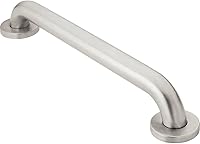
A grab bar gives you a handhold intended for bathroom safety. The Amazon Basics Bathroom Safety Grab Bar is an 18 in stainless steel bar with a 1.5 in diameter, and it can support up to 500 lb when properly installed in a wall stud or another secure mounting surface.
A towel bar serves a different job. The KOKOSIRI 24-Inch Single Towel Bar has a 24 in bar length and a 22.8 in usable length for towels, while the JIAPAIDUO Double Towel Bar has upper and lower bars for hanging towels.
The complete grab bars buying guide explains how support-focused fixtures differ from ordinary bathroom hardware.
Grab bar vs towel bar for standing and transferring
Use a grab bar when your hand will carry part of your weight during a movement. That includes standing from a toilet, stepping into a tub or steadying yourself while turning.
A towel bar is not a substitute for a transfer aid. Its brackets, anchors and bar shape are arranged around towel storage, not the repeated force created when a person pulls, pushes or leans.
The safest choice also depends on the installation surface. A suitable grab bar that is mounted incorrectly may not provide the support you expect, so follow the instructions and use a secure mounting point.
Which grab bar fits your bathroom?
The Amazon Basics model suits a fixed installation, while the TAILI model suits removable assistance on compatible smooth surfaces. Their mounting methods create different trade-offs.
TAILI Grab Bars for Shower: Best for removable shower assistance
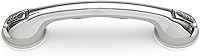
The TAILI Grab Bars for Shower are a 2-pack of 16.8 in suction shower handles in gray. TAILI says each handle has 2 suction cups with locking latches, an anti-slip strip and a curved wave design for the fingers.
The bars are made from plastic and are waterproof. TAILI says each can support up to 240 lb, but the product instructions also say not to put all your body weight on the shower grip.
This model needs a smooth, non-porous, airtight wall. TAILI lists metal, glass, tile, marble, stainless steel and acrylic as suitable surface types, while uneven tile, unfinished marble, wallpaper, drywall, porous walls and painted walls are not suitable.
Each handle is removable and reusable without drilling when the surface is compatible. That can help renters or households that need a temporary handhold, but suction depends on correct placement and a surface that seals properly.
Amazon Basics Bathroom Safety Grab Bar: Best for fixed support
The Amazon Basics Bathroom Safety Grab Bar is an 18 in brushed stainless steel bar with a 1.5 in diameter. It is designed for bathtub and shower fall prevention and meets ADA specifications.
Amazon Basics says the bar can support up to 500 lb when properly installed in a wall stud or another secure mounting surface. That mounting condition is central to the product's use, so identify the wall structure before choosing its location.
The brushed stainless finish is less reflective and can hide fingerprints in a high-use bathroom. Stainless steel also resists rust and corrosion, which suits a fixture exposed to water and cleaning.
This is the stronger fit when you want a permanent, drilled grab bar and can provide a secure mounting surface. It is not the right choice to place casually on drywall without confirming that the installation method can carry the intended load.
For help choosing a toilet location, compare the best grab bar for a toilet options and measure the reach from the seated position.
Which towel bar fits bathroom storage?
Choose a single towel bar for one main towel space, or choose a double towel bar when you want upper and lower hanging positions. Neither towel bar should be used as a support fixture.
KOKOSIRI 24-Inch Single Towel Bar: Best for one towel
The KOKOSIRI 24-Inch Single Towel Bar is a wall-mounted SUS304 stainless steel towel rack in matte black. Its total length is 25.5 in, with a 24 in bar length, a 22.8 in usable length, a 3.15 in width and a 2.16 in height.
The square design and matte black finish suit a bathroom or kitchen where the towel holder is part of the room's hardware. KOKOSIRI includes 1 towel bar, 4 screws, 4 anchors, 2 brackets and 1 Allen key.
Use it for towels, washcloths or similar light storage. The included mounting hardware helps with installation, but a wall-mounted towel rack remains storage hardware and should not be treated as a grab bar.
JIAPAIDUO Double Towel Bar: Best for two towel spaces
The JIAPAIDUO Double Towel Bar is a 24 in matte black stainless steel wall-mounted towel rack with upper and lower bars. The wider spacing between the bars is intended to make towels easier to reach and help them dry.
JIAPAIDUO uses a screw-assembled design rather than welding. The product is made for bathroom, bedroom and kitchen storage, and it can hold clothing, washcloths and other items.
The double layout is useful when 2 towels need separate hanging spaces. It still has the same safety limit as any towel bar in this comparison: use it for storage, not for pulling yourself up or steadying a transfer.
Why does mounting matter more than the finish?
Mounting matters because a person can apply much more force than a towel. Stainless steel, matte black finishes and strong-looking brackets do not turn storage hardware into a safety fixture.
The Amazon Basics grab bar specifies support when installed in a wall stud or another secure mounting surface. That condition tells you to assess the wall before relying on the bar.
The TAILI suction handles use a different approach. Their grip depends on a smooth, non-porous, airtight surface and correct suction-cup installation, and TAILI says not to put all your body weight on the grip.
The KOKOSIRI and JIAPAIDUO towel bars include mounting parts or instructions for wall installation. Those details help attach the storage fixture, but they do not state that the bars are intended for body support.
For accessibility planning, review the best shower grab bars for seniors and match the fixture to the user's reach, balance and transfer pattern.
Can a grab bar replace other bathroom aids?
A grab bar can improve hand support, but it does not replace every bathroom aid. Some users also need a raised seat, bedside equipment or a travel-friendly transfer solution.
A raised toilet seat can reduce how far you need to lower and rise. If the toilet bowl is elongated, compare the best raised toilet seats for elongated toilets before choosing a fit.
A bedside commode may help when reaching the bathroom is difficult at night. Review the best bariatric bedside commodes if a higher weight capacity is part of your search.
For travel, a portable raised seat may be easier to carry than a fixed bathroom change. The best portable raised toilet seats for travel can help you compare that use case.
If a bedside commode already needs a new container, see the best replacement buckets for bedside commodes instead of treating a towel bar as a support option.
How should you choose between these 4 products?
Pick the Amazon Basics grab bar for fixed support, the TAILI handles for compatible removable assistance, and either towel bar only for towel storage. The right choice follows the movement or storage task.
Choose TAILI when drilling is not practical and the installation surface meets its conditions. Keep its warning in mind: the grip is not for putting all your body weight on it.
The TAILI 2-pack is 16.8 in per handle and uses 2 suction cups with locking latches. It suits smooth surfaces such as glass, tile, marble, stainless steel and acrylic.
It does not suit uneven tile, unfinished marble, wallpaper, drywall, porous walls or painted walls. Tiles also need to be 4x4 inches or larger for the suction cups to seal.
Wash the suction cups and dry them before fitting, and follow the locking steps each time. Move the handle or clean it if the seal starts to weaken.
This removable approach can help renters or anyone who cannot drill. It also lets you try a position before committing to a permanent fix.
Choose Amazon Basics when you can install into a wall stud or another secure surface. Its 18 in length and 1.5 in diameter give you a defined handhold for a permanent bathroom safety setup.
That 500 lb support claim depends on proper installation. Locate the stud or secure surface first, then mark the reach from the toilet, shower seat or tub edge.
The brushed stainless finish suits a wet room and hides fingerprints well. Stainless steel also resists rust and corrosion from regular water use.
Choose KOKOSIRI when one 24 in towel space fits your room. Its usable length is 22.8 in, which can suit a bath towel or a few smaller items.
Choose JIAPAIDUO when 2 towel levels are more useful than a single bar. The upper and lower bars give separate spaces for towels, washcloths or clothing.
Both towel bars are for storage only. Do not choose either towel bar because it is stainless steel, wall-mounted or firmly attached.
Those features support towel storage, not a safe transfer.
Final verdict: grab bar or towel bar?
Choose a grab bar whenever your hand may support your body, and choose a towel bar only when your goal is to hang towels. The Amazon Basics model fits secure fixed mounting, while TAILI fits compatible smooth surfaces where removable assistance is useful.
If the bathroom needs towel storage near a support fixture, install both types for their separate jobs. Keep the towel bar positioned for reach without using it as a handhold, and place the grab bar where it supports the movement you need.
Start with the movement that worries you most. That may be standing from the toilet, stepping over a tub edge or steadying yourself on a wet shower floor.
Measure the reach while seated and while standing. A good position should be close enough to use without stretching or twisting.
Check the wall before you decide. A fixed grab bar needs a stud or secure surface, and a suction handle needs a smooth, non-porous and airtight wall.
Test the suction seal when you fit it. Wash and dry the cups, lock them in place and check the hold before you rely on the handle.
A suction handle is handy for removable help, but it is not for full body weight. Use it as light assistance and keep a fixed bar for heavier support where possible.
For towels, choose the layout that fits the room. A single bar suits one main towel, and a double bar gives 2 levels for more items.
Keep towel storage out of the transfer path. That way no one grabs the towel bar by habit when they need a real handhold.
Wipe down both types of fixtures and check the mounting over time. Tighten or reseat parts as the maker directs so the setup stays predictable.
The clearest rule is simple. Use a grab bar for support, a towel bar for towels, and do not swap their jobs.
Frequently asked questions
Can a towel bar be used as a grab bar?
No. A towel bar is made to hold towels, not to support a person during a transfer or balance change.
Even a stainless steel towel bar can pull away from its brackets or wall anchors.
Choose a grab bar with a suitable mounting method and install it according to the manufacturer's instructions.
What is the main difference between a grab bar and a towel bar?
A grab bar is a bathroom safety fixture intended to provide a handhold, while a towel bar is a storage fixture. Grab bars may have support-focused dimensions and mounting requirements.
Towel bars are sized and shaped around towels, so their material alone does not make them safe for body support.
Are suction grab bars safe for full body weight?
Suction grab bars should not be treated as a full body-weight support unless the exact product and installation instructions clearly allow it. The TAILI model says not to put all your body weight on the shower grip.
It also requires smooth, non-porous, airtight surfaces and suitable tile conditions.
Where should a grab bar go near a toilet?
Place a grab bar where it supports the actual movement you need, such as sitting down, standing up or transferring. Wall layout, toilet position and the user's reach all matter.
Measure first, then review guidance on where to place a grab bar next to a toilet before mounting.