Where Should You Place a Grab Bar Next to a Toilet?
Place a toilet grab bar beside the toilet where you can reach it during a transfer, with its position based on your reach, movement, and bathroom layout. Securely anchor a fixed bar into wall studs or another suitable support, and get qualified help if you are unsure.
On this page (6 sections)
Place a grab bar beside the toilet where you can reach it during your usual transfer. If you're also choosing a toilet aid, compare raised toilet seats vs commodes.
Choose the side and position based on how you approach, where you need support, and what you can comfortably grasp without leaning or twisting.
A bar that looks well placed to someone else may be hard for you to use. Before mounting one, think through how you move from your wheelchair, walker, or standing position to the toilet, and where your hand naturally needs support.
Where should a grab bar go next to a toilet?
Put the bar on the side that gives you a steady handhold during the part of the transfer where you need it. The wall, your mobility aid, and the direction you approach from can all affect the best position.
If you transfer from a wheelchair, consider where you park it and which hand you use to move across. Leave enough room for the chair and your legs, and make sure the bar won't block the route to the toilet.
If you use a walker, check where it rests while you sit and stand. The bar should be reachable without having to reach across the walker or make an awkward turn.
Some people benefit from support on both sides. A second bar may help if you change transfer directions or need support on either side, but make sure the bars don't crowd the seat or limit access.
How do you choose the right height and angle?
Set the height so you can grasp the bar in a comfortable position while sitting and standing. The best spot depends on your arm reach, balance, grip, and transfer method.
Before drilling, try the planned position with a helper present. Mimic the movement you use to sit or stand, without putting your weight on an uninstalled bar.
Check whether you can reach it from the seat and use it without stretching or twisting.
A horizontal bar can provide a long gripping area, while an angled bar may suit some movement patterns. Your needs and the wall structure determine which arrangement works.
A qualified installer or occupational therapist can help assess the setup.
For a general overview of grab bars, including styles and mounting choices, see our bathroom safety guide. For public spaces or projects with accessibility requirements, review the applicable standards and ask a qualified professional to confirm the details.
What should you check before mounting the bar?
Confirm that the wall can support the bar and the forces you may put on it. A fixed grab bar must be anchored to a suitable structure, following the bar manufacturer's installation instructions.
For a bathtub bar, see how to replace a bathtub grab bar.
Look for plumbing, wiring, wall materials, and nearby fixtures before drilling. If you can't identify a secure mounting point, ask a qualified installer rather than relying on drywall alone.
Measure the area and consider the bar's length and diameter. A longer bar can offer more places to hold, while the grip should feel manageable in your hand.
The Moen 8912 is a 12 in stainless steel bar with a 1.5 in diameter grip and concealed mounting screws.
Moen describes this bar as suitable for installation near toilets and other places where additional support is wanted. Its SecureMount anchors are optional and sold separately; follow the bar and anchor instructions for installation.
For a longer fixed option, the Amazon Basics bar measures 18 in and has a 1.5 in diameter. Its support capacity depends on proper installation in a wall stud or another secure mounting surface.
If you're comparing styles and mounting options, our guide to the best grab bar for a toilet covers toilet-specific choices. You can also compare best ADA grab bars when accessibility dimensions or standards are part of your project.
Can you use a suction cup bar beside a toilet?
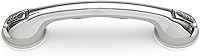
A suction cup bar is appropriate only for a smooth, dry, non-porous surface and limited balance support. The Safe-er-Grip 24 in bar must not be used to support full body weight.
Its suction cups don't attach to drywall or textured surfaces. On tile, the tile must be at least 4 in by 4 in, and the bar should not cross grout lines.
Press the levers to attach it, then test the suction before each use.
This style may suit someone who wants a temporary balance aid, but it isn't a substitute for a securely mounted bar when a transfer requires you to bear weight through your arm. If the surface or attachment is uncertain, don't rely on it.
How can you tell if the placement works for your transfer?
The placement works when you can reach, grip, and release the bar without a strained reach or blocked movement. Check the route from your mobility aid, the space around your knees, and access to the toilet paper and flush controls.
Practice the movement with a helper nearby before relying on the bar. Don't pull on a newly installed bar until the installation is complete and secure.
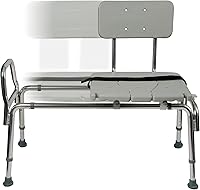
If you use a shower chair or transfer bench too, plan the whole bathroom route. Our guide to shower chair vs tub transfer bench explains how those options differ, and best shower wheelchairs for disabled users covers wheeled options for bathing.
For seated bathing, compare best shower chair with arms and back support and best grab bars for showers for seniors. For nighttime toileting, see how to use a bedside commode chair.
Which toilet-side grab bar should you choose?
Choose a fixed bar mounted to a secure surface if you need dependable support during transfers. Pick the position and length that match your reach and movement, and have a qualified installer help if you can't confirm the wall structure.
The Moen 8912 offers a compact 12 in length and concealed mounting screws. The Amazon Basics bar gives you 18 in of length, while the Safe-er-Grip is for light balance support on compatible smooth surfaces and must not bear full body weight.
Measure the available wall space, check your transfer path, and confirm the mounting method before choosing. The best grab bar next to a toilet is one you can reach comfortably and trust because it is installed as directed.
Frequently asked questions
Which side of the toilet should a grab bar go on?
Place the bar on the side you can reach and use during your usual transfer. Your stronger side, approach direction, mobility aid, and bathroom layout all matter.
If you need support on both sides, consider whether a second bar or a different setup fits without blocking access.
How high should a grab bar be next to a toilet?
The right height depends on your reach and how you move between standing and sitting. A bar should be reachable without leaning or twisting, and a qualified installer can help set its position.
For public or regulated spaces, check the applicable accessibility rules.
Can a suction cup grab bar support a toilet transfer?
A suction cup balance bar may help with light balance support on a smooth, dry, non-porous surface, but the Safe-er-Grip instructions say not to apply full body weight. Check its attachment before each use, and choose a securely mounted support for transfers that require substantial weight bearing.
Does a toilet grab bar need to be mounted into a wall stud?
A fixed grab bar needs a secure mounting surface suited to the installation. Some bars can use a separate anchor system when a wall stud isn't available, but installation must follow the bar and anchor instructions.
Ask a qualified installer if you can't confirm the wall can hold it.