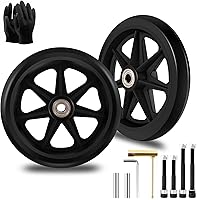
How to Replace Wheelchair Wheels
Match the replacement to your wheelchair's wheel size, width, axle, and mounting style. Secure the chair, remove the old wheel, fit the compatible replacement, then check that it spins freely and is firmly attached before use.
On this page (8 sections)
- Can you replace wheelchair wheels yourself?
- What should you check before buying a replacement wheel?
- How do you remove a wheelchair wheel?
- How do you fit and secure the replacement?
- What should you check after fitting the wheel?
- Which replacement wheel options may fit?
- When should you ask for repair help?
- What is the safest way to choose and replace wheelchair wheels?
To replace wheelchair wheels, match the new wheel to your chair's size and mounting hardware, remove the old wheel, then secure and check the replacement before use. You can often do this at home if the wheelchair maker's instructions allow it and the replacement fits exactly.
Wheelchairs use different wheel setups. A small front caster and a large rear wheel may need different tools and parts, so identify which one you are replacing before you order.
Can you replace wheelchair wheels yourself?
You can replace many wheelchair wheels yourself when the maker's instructions and the replacement parts are clear. If the axle, wheel lock, or frame hardware is damaged, ask a wheelchair service professional to check it.
Front casters are commonly held by a bolt through the fork. Rear wheels may use a quick-release axle or a bolt-on mount, depending on the chair.
Don't guess at a replacement based only on appearance. A wheel that looks close can still have the wrong hub width, bearing opening, axle, or tread.
What should you check before buying a replacement wheel?
Match the wheel's diameter, width, axle or bearing opening, and mounting style. Check the wheelchair manual, the old wheel's markings, and the chair itself before choosing a replacement.
Measure the outside diameter across the wheel and its width at the tread. For a bolt-on wheel, also check the bolt length and bearing or axle hole; for a quick-release setup, confirm the axle type and length.
If you're comparing options, see our guide to best wheelchair replacement wheels. For a front caster, the best wheelchair front wheel replacement may be a more relevant match.
A wheelchair tire may be solid or pneumatic, and its tread can affect where it rolls well. Compare best wheelchair replacement tires if the tire itself is the part you need to change.
Does the replacement need to be the same size?
Use the size specified for your wheelchair or match the original wheel's key measurements. A different diameter can change the chair's height and handling, while a different width can affect clearance in the fork or frame.
A 6 in wheel, 7 in wheel, and 8 in wheel are not interchangeable just because they share a similar hub. Check the chair's instructions or ask the manufacturer when markings are missing.
What tools and supplies do you need?
Use the tools specified by the wheelchair maker and keep the correct replacement fastener close at hand. Depending on the chair, you may need a wrench, hex key, or a way to hold a nut while turning the bolt.
Gather the manual, replacement wheel, and a clean cloth before you start. Don't substitute a bolt or washer unless the maker confirms it is suitable.
How do you remove a wheelchair wheel?
Secure the wheelchair on a level surface, then remove the wheel's fastener or release its axle as the chair instructions direct. Keep fingers clear of pinch points and support the wheel as it comes free.
- Move the chair to a stable, level area and apply the wheel locks if they work.
- Keep the chair unoccupied, and have another person steady it if needed.
- Locate the axle, bolt, or quick-release button for the wheel you're changing.
- Remove or release the fastener while supporting the wheel.
- Set the wheel and small parts aside in order so you can put them back correctly.
If the wheel won't release with the expected steps, stop and check the manual. Forcing a stuck axle or bolt can damage the hub or frame.
How do you fit and secure the replacement?
Seat the replacement in the same position as the original and secure it with the correct axle or fastener. Follow the wheelchair maker's instructions for the installation and any tightening requirements.
Keep washers and spacers in their original order. The wheel should sit centered in its fork or mount without rubbing against the frame.
A solid 8 in caster option is the ANTIQO pair, sized 8 x 2 in (200 x 50) with an 8 mm bearing hole and a 3.3 in bolt length.
Don't use a replacement just because its diameter matches. Confirm the bearing opening, bolt length, width, and mounting style first.
What should you check after fitting the wheel?
Check the attachment, free movement, and wheel lock before anyone rides in the chair. A wheel that wobbles, rubs, or binds needs correction before use.
With the chair unoccupied, turn the wheel by hand. It should rotate without scraping the fork or frame; check that the fastener remains secure and that the wheel sits straight.
If you changed a wheel that works with a brake or wheel lock, check that the lock engages and releases as intended. Then roll the chair slowly on a clear, level surface and listen for rubbing or clicking.
Stop if the wheel shifts, feels loose, or doesn't track straight. Recheck the fit or contact the wheelchair maker or a qualified repair professional.
Which replacement wheel options may fit?
Choose a replacement only after its measurements match your wheelchair. These examples have different sizes and intended uses, so check your chair's wheel and hardware before ordering.
For a 6 in option, CANWUPON offers a pair of replacement wheels with PU tires, an ABS hub, and metal ball bearings. Its listed sizes include narrow and wide versions, so check which one matches your wheel and screw.
CANWUPON also offers a 7 in wheel pair described for wheelchairs and Drive rollators. The stated wheel width is 1.57 in, so compare that measurement and the axle details with your chair.
Both options are described as solid tires that need no inflation. For outdoor use on rougher ground, first check whether your chair and wheel setup suit the terrain; our guide to wheelchair all terrain wheels covers the tradeoffs.
When should you ask for repair help?
Get help if the frame, fork, axle, or wheel lock is bent, cracked, or difficult to remove. A damaged mount can prevent a new wheel from seating safely.
Ask the wheelchair manufacturer or a repair professional if you can't confirm the right measurements, if the replacement rubs, or if a fastener won't tighten as expected. Avoid riding with a loose wheel or a brake that no longer works as intended.
What is the safest way to choose and replace wheelchair wheels?
Use the chair's manual and exact wheel measurements to choose a compatible replacement, then verify the fit before use. If the wheel does not turn freely or stay secure, stop and get the mount checked.
Pick a replacement by matching its diameter, width, axle or bearing opening, bolt length, and mounting style. If you need help choosing the wheel type, start with our overview of best wheelchair replacement wheels, then confirm the details against your chair.
Related mobility questions may involve a different chair design. See [What Is a 4 Wheel Electric Wheelchair?
What Really Matters](/what-is-a-4-wheel-electric-wheelchair/) and What Is a 3 Wheel Electric Wheelchair? A Clear Breakdown for electric models, or read about best wheelchair backpacks and bags and taking a wheelchair on cruise ship.
Frequently asked questions
Can you replace wheelchair wheels yourself?
Often, yes, if you can identify the correct wheel and follow the wheelchair maker's instructions. Front casters may be simpler to change than large rear wheels, which can involve an axle, wheel lock, or other chair-specific parts.
Ask a qualified repair professional if the fit or safe setup is unclear.
How do I know what size wheelchair wheel to buy?
Check the size printed on the existing tire or wheel, then measure its outside diameter and width if needed. Also match the axle or bearing opening, bolt length, hub width, and mounting style.
A matching diameter alone doesn't guarantee that a replacement will fit your chair.
Do wheelchair wheels need to be replaced in pairs?
Replace both wheels on an axle when they are worn unevenly, have different sizes or tread, or the wheelchair maker recommends a pair. If only one wheel is damaged, confirm that an identical replacement is available and that the chair will remain level and roll evenly.
What should I check after replacing a wheelchair wheel?
Check that the wheel is fully seated, its fastener is secure, and it turns without rubbing or wobbling. Test the wheel lock if the replaced wheel uses one, then roll the chair slowly on a clear, level surface.
Stop if anything shifts, binds, or makes an unusual noise.