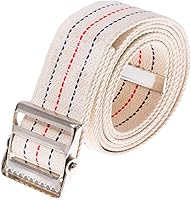
How to Use a Gait Belt With Handles
Use a gait belt with handles around the person's waist, snug but not painful, then hold the handles while assisting slow, planned movements. Check the belt, explain each step, and follow trained guidance for transfers.
On this page (9 sections)
- How to Use a Gait Belt With Handles
- What should you check before using a gait belt with handles?
- How do you position and fasten the belt?
- How should you hold the handles?
- How do you help someone stand with a gait belt?
- How do you assist walking and transfers?
- What belt length is useful for larger waists?
- How should you care for a gait belt?
- What is the safest way to use a gait belt with handles?
How to Use a Gait Belt With Handles
To use a gait belt with handles, fit it snugly around the person's waist, secure the buckle, and hold the handles while guiding slow, controlled movements. Explain the plan first, keep the belt over clothing, and use a trained transfer method for the person's level of strength and balance.
A gait belt can help with standing, walking, turning, and moving between a bed and wheelchair. It doesn't replace a patient lift for someone who cannot bear weight or follow directions.
What should you check before using a gait belt with handles?
Check the person's ability to help, the belt's condition, and the path before starting. Clear furniture, lock wheelchair brakes, move footrests out of the way, and place footwear firmly on the floor.
Ask the person what they can do and explain each step. Agree on a simple cue such as “stand” or “sit,” then move only when both people are ready.
Inspect the webbing, stitching, buckle, and handles. Don't use a belt with frayed material, damaged stitching, a buckle that won't lock, or handles that feel loose.
A gait belt is not suitable for every person. Get guidance from a nurse or physical therapist when the person has severe weakness, poor balance, pain, recent surgery, confusion, or trouble following directions.
For a wider look at equipment choices, read our Transfer Aids: The Complete Buying Guide, including when a patient lift may be more suitable.
How do you position and fasten the belt?
Place the belt around the waist, over clothing, with the buckle positioned where you can check it easily. Tighten it until it is secure without causing pain or restricting breathing.
Keep the belt below the chest and above the hips. It should not ride up toward the ribs or sit across the person's neck.
Thread and close the buckle according to its design. Pull the belt through the adjuster, then check the fit by sliding your fingers between the belt and clothing.
The belt should not spin freely or slide upward when you apply light pressure. Recheck it after the person stands because the fit can change with movement.
Don't attach the belt around the wheelchair, bed, or another object. It is worn by the person and held by the caregiver during the movement.
How should you hold the handles?
Hold the handles that give you control while keeping your hands and body close to the person. Use the vertical or horizontal handles to match the direction of movement, and avoid pulling sharply.
For standing, position yourself in front or slightly to the side as trained. Hold handles that let you guide the person's trunk without twisting your own body.
For walking, stand close at the weaker side if a therapist has identified one. Keep one hand on a suitable handle and use the other hand only as instructed, allowing the person to take their own steps.
For turning, take small steps with the person instead of twisting your back or jerking the belt. Tell the person when you are changing direction.
The handles provide grip and leverage, but they don't make an unsafe lift safe. Never use them to drag, swing, or pull a person across a surface.
Which gait belt with handles suits adjustable waist sizes?
The NYOrtho Gait Belt adjusts from 28 in to 55 in and has 6 heavy handles, with 4 vertical handles and 2 horizontal handles. Its 4 in height gives more contact area than a 2 in belt, while the nylon webbing and reinforced stitching support repeated assisted movement.
Its quick-release buckle is designed for easy fastening and removal. Choose it when the available waist range and mix of vertical and horizontal handles match the person's fit and the caregiver's preferred position.
How do you help someone stand with a gait belt?
Move from sitting to standing in clear stages, with the person's feet placed firmly and the caregiver close. Ask the person to scoot forward, place their feet under them, lean forward as instructed, and stand on a shared cue.
Keep the wheelchair or chair from moving before the person leans forward. Hold the handles and guide the trunk upward without lifting the person's full weight.
Once standing, pause and check balance. Don't begin walking immediately if the person is dizzy, unsteady, or unable to stay upright.
If the person starts to fall, guide them toward a nearby safe sitting surface according to your training. Do not try to catch a falling person by yanking the belt.
For more context on clinical use, see what a gait belt is used for in nursing.
How do you assist walking and transfers?
Use short steps, a clear path, and steady contact while guiding the person toward the destination. Keep the belt snug, stay close, and communicate before every turn, stop, or change of surface.
For a bed-to-wheelchair transfer, place the wheelchair close to the bed, lock the brakes, and move footrests away. Help the person stand, turn in small steps, and back up until they feel the chair behind their legs.
Tell the person when to reach for the armrests if that is part of their trained method. Lower them slowly instead of allowing them to drop into the seat.
For walking, avoid rushing or pulling from behind. Stop if the person's knees buckle, balance changes, or the belt begins to shift.
A belt with handles can give caregivers more grip choices during these movements. It doesn't remove the need for a clear transfer plan.
Does padding help during assisted transfers?
Padding may make a belt more comfortable when the person needs longer or repeated assistance, but fit and correct positioning still come first. Check the belt's width, adjustment range, buckle, and handle layout before choosing padding.
The Vive Gait Belt supports up to 350 lb, adjusts to waists up to 51 in, and has 7 padded handles. It is 4 in wide, uses nylon webbing with reinforced stitching, and has a metal buckle with a quick-release latch.
Choose it when the 51 in waist range and 350 lb support match the person's needs. Its padded handles may suit caregivers who prefer a softer grip during repeated transfers.
Compare other options in our guide to the best padded gait belts with handles.
What belt length is useful for larger waists?
Choose a belt that closes securely around the person's waist without leaving too little adjustment room. Measure the waist where the belt will sit, then compare that measurement with the belt's stated range or length.
The COW&COW Transfer and Gait Belt with Metal has a 2 in width and adjusts up to 100 in. It uses cotton webbing, a nickel-chrome plated steel buckle, and is available in 54 in, 60 in, 72 in, and 100 in sizes.
Its webbing weight capacity is 350 lb, and it can be machine washed and hung to drip dry. Choose the length that closes securely without excess material getting in the way.
For a larger waist, compare the best bariatric gait belts. A gait belt vest may be a different option when a standard waist belt does not fit the person's needs.
How should you care for a gait belt?
Clean and dry the belt according to its materials and care instructions, then store it where the buckle and handles won't be damaged. Keep it away from moisture, sharp edges, and heavy items that could bend the hardware.
Inspect it before every use, especially after washing. Check for fraying, stretched webbing, loose stitching, cracked plastic, or a buckle that no longer locks firmly.
Don't keep using a belt because it looks mostly intact. A damaged buckle or handle can fail when the caregiver needs a stable grip.
Buckle style also affects daily handling. Our guide to the best gait belts with plastic buckles compares that feature, while gait belt vs transfer belt explains how the terms and intended uses overlap.
What is the safest way to use a gait belt with handles?
Pick the belt that fits the waist, supports the planned movement, and gives the caregiver a secure grip without lifting the person's full weight. NYOrtho suits readers who want 6 handles and a 28 to 55 in adjustment range, Vive suits those who need 7 padded handles and support up to 350 lb, and COW&COW suits those who need a belt that adjusts up to 100 in.
Use the belt only with a clear transfer plan. If the person cannot bear weight or becomes unsafe during movement, stop and seek trained help or use equipment designed for that level of assistance.
For a closer match to a particular user, start with the guide to the best gait belt for seniors.
Our score weighs specs, features, and buyer feedback against what you're shopping for.
Frequently asked questions
How do you use a gait belt with handles?
Place the gait belt snugly around the person's waist, secure the buckle, and check that it does not slide or pinch. Stand close, hold one or more handles, and assist the person through slow movements such as standing, walking, turning, or sitting.
Follow trained instructions for the person's needs.
Where should a gait belt sit?
A gait belt should sit around the person's waist, usually over clothing, with enough room for comfortable breathing and a secure grip. It should not sit across the chest, neck, or hips.
Check the fit before every use, and do not use it if the belt is loose, damaged, or uncomfortable.
Can a caregiver lift someone with a gait belt?
A gait belt is meant to guide and steady a person during assisted movement, not to lift their full body weight. Keep your back straight, stay close, and use the belt only as part of a trained transfer method.
A person who cannot bear weight may need a patient lift or other equipment.
Are gait belts with handles better than plain gait belts?
Gait belts with handles give the caregiver specific grip points around the waist, which can help during walking, standing, and transfers. A plain belt may suit simpler assistance.
Choose based on the person's mobility, the caregiver's position, the belt's fit, and any instructions from a therapist or nurse.