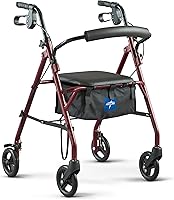
How to Use a Walker After Hip Replacement
To use a walker after hip replacement, keep the walker in front of you, step into it only as your care team allows, and move the walker first, then the operated leg, then the other leg. Keep your hip within the limits your surgeon set, use arm support, and stop if you feel sharp pain.
On this page (13 sections)
- What hip precautions should you follow with a walker?
- How should you set up your walker before you stand?
- How do you stand up safely with a walker after hip replacement?
- What is the basic walking pattern with a walker?
- How do you walk, turn, and walk backward safely?
- How do you sit down and stand up from a chair?
- How do you use the stairs with a walker after hip replacement?
- What daily tasks need extra walker care?
- When should you add aids like trays or better glides?
- How do you know when to move from a walker to a cane?
- What mistakes should you avoid with a walker?
- How can you practice walker skills at home?
- What is the bottom line for walker use after hip replacement?
To use a walker after hip replacement, keep the walker in front of you, move it forward first, then step with the operated leg, then bring the other leg up. Use your arms for support, keep steps short, and stay inside the hip limits your surgeon set.
This guide covers standing, walking, turning, sitting, and daily movement. It does not replace your surgeon or therapist plan, and their advice wins if it conflicts with any step here.
What hip precautions should you follow with a walker?
Follow your surgeon hip precautions on every move. Common limits can include not bending the hip past 90 degrees, not crossing the legs, and not turning the operated foot inward.
Your limits may differ, so use the sheet your care team gave you. Keep the walker close and square to your body.
Move slowly and avoid twisting. Turning your trunk while your feet stay still can stress the hip, so take small steps and turn with your feet.
How should you set up your walker before you stand?
Set walker height so handles sit near your wrist crease when you stand tall. Your elbows should bend a little, not lock straight.
Place the walker in front of your chair or bed before you stand. Keep all legs or wheels on the floor and pointed where you plan to face.
Check that the floor is clear and dry. Wear firm shoes or slippers that fit well and have low heels.
Our guide to types of walkers for disabled explains standard, rolling, and folding designs. You can use that guide to match the walker type your care team picked to your home space.
How do you stand up safely with a walker after hip replacement?
Move to the edge of the seat, push through your arms and your strong leg, and keep the walker in front of you. Do not pull up on the walker alone, since that can tip it.
Scoot forward with small shifts until your feet are flat and under your knees. Your therapist may show you where to place the operated foot for the first stand.
Grip both handles, press down through your arms, and rise in a slow, steady motion. Once you are standing, pause and check your balance before you move.
How to use a walker after hip replacement to get out of bed
Sit up in stages, swing your legs to the side slowly, and pause at the edge of the bed. Keep the walker within reach so you do not twist to grab it.
If your team taught you a log roll to get up, use that method. If not, ask them to show you a safe way before your first night at home.
Place the walker so you can grip it while you dangle your legs. Then stand with the steps above, with help nearby for the first times.
What is the basic walking pattern with a walker?
Move the walker forward, step with the operated leg, then step with the other leg. Keep steps short and the walker close so you do not reach ahead.
Shift weight through your arms and look ahead, not down at your feet. For general form tips, see how to use a walker correctly and review it with your therapist.
How do you walk, turn, and walk backward safely?
Take short steps in a straight line, turn with small steps, and avoid walking backward unless your team trains you to do it. Backward walking can catch a leg or tip the frame.
Walk at a pace where you can talk and breathe at ease. Faster walking often leads to longer steps and less arm support.
To turn, stop, move the walker a little to the side, and take small steps. Do not twist your hips while your feet stay planted.
Keep the walker between you and any step, curb, or doorway threshold until you are ready to cross it.
How do you sit down and stand up from a chair?
Back up to the chair until you feel it behind your legs, then lower yourself slowly with your arms. Keep the walker in front of you and do not reach behind you for the seat.
Touch the chair with the backs of your legs to sit in the center instead of sliding off the edge. Lower in a controlled way and avoid dropping the last few inches.
Once seated, move the walker to a spot you can reach when you stand again. Do not leave it where it can slide or fall.
How do you use the stairs with a walker after hip replacement?
Use stairs only if your care team has trained you and your home is set up for it. Many people are taught to use a handrail and a pattern that keeps the walker stable.
Practice on a low step first so you know where the walker and your hands go and how to rest. Going up, your team may teach you to lead with the strong leg.
Going down, they may teach you to lead with the walker and the operated leg.
Stop at each step and check your balance. Do not carry items, since you need both arms for support.
What daily tasks need extra walker care?
Plan each task so you do not twist, bend too far, or reach too low while you use the walker. Keep items you use often at waist height to reduce bending and reaching.
Use a raised toilet seat or a firm shower chair if your team advised it. Get dressed in a chair with arms, with the walker close by.
Your care team may compare your needs with best walker to use after hip replacement for height, weight, and fold style.
As you get stronger, you may near the stage where a cane fits short trips. The HurryCane Freedom Edition Foldable Walking Cane has a T handle, a SteadiGrip base, and height settings from 30.5 to 37.5 inches and folds to 13.7 inches for travel.
Switch only when your care team says you are ready.
When should you add aids like trays or better glides?
Add aids that keep your hands free and your walker stable, but use them only if your team agrees. Keep a tray load light and centered, and check glide size and fit before you walk, since worn glides can slide.
Our picks for best walker trays for rolling folding walker show common styles, so measure your walker before you buy.
Our guide to best replacement glides for walkers explains how to match glide size to leg size.
If you need more support from a rolling design, compare best bariatric rollator walker options with your care team.
How do you know when to move from a walker to a cane?
Ask your care team to test your balance, steps, and turns before you drop the walker. A cane is a step down in support, not a reward for feeling better on one day.
You should walk with a steady pattern, turn without twisting, and stand from a chair without extra help. Practice with the cane first in a safe room with help nearby and keep the walker close.
The HurryCane cane above adjusts from 30.5 to 37.5 inches and stands on its own when you need to free both hands. Its three-point contact base and pivoting design are built for everyday balance support, according to Drive Medical.
Do not change aids on your own because a friend or a guide said it was time. Your surgeon and therapist set the pace based on your hip and your overall recovery.
What mistakes should you avoid with a walker?
Avoid rushing, reaching, twisting, and using the walker as a chair or a pull-up bar. Do not lean your full weight on the walker while you stand still.
Sit in a firm chair instead and keep the walker upright for your next move.
Do not step over the legs or place one leg outside the frame. Do not skip the pause after standing or sitting, as that pause lets you check for dizziness and reset your grip before you walk.
If you compare knee surgery steps, see how to use a walker after knee replacement and best walker to use after knee replacement, but follow the hip plan for hip surgery.
How can you practice walker skills at home?
Practice short, planned walks with help nearby until the pattern feels steady. Short sessions build skill without wearing you out.
Set up a clear path with a chair at each end. Walk to the chair, sit with control, stand again, and return, resting as needed.
Practice the turns you use most, such as from a bedroom to a bathroom. Keep a list of moves that hurt or feel unsure for your next visit.
For a step-by-step form check, review how to use a walker correctly with your therapist and ask them to mark any step that does not fit your hip plan.
What is the bottom line for walker use after hip replacement?
Use the walker as your support on every move, keep steps short, and stay inside your surgeon hip limits. Move the walker first, then the operated leg, then the other leg, unless your team taught you a different order.
Pick the walker your care team approved, set its height correctly, and keep your path clear. Sit and stand with your arms, turn with small steps, and use stairs only after training.
Move to a cane only when your care team tests you and clears the change. Until then, the walker gives you the support your hip needs while you rebuild strength and balance.
Frequently asked questions
How long should I use a walker after hip replacement?
Use a walker for as long as your surgeon and physical therapist advise, often until your gait is steady without support. Progress only when you can walk with a normal pattern, turn safely, and manage daily tasks without extra help or pain.
Should the operated leg go first when using a walker?
For many people after hip replacement, the walker moves first, then the operated leg, then the other leg. Your care team may give a different order based on your surgery and recovery.
Follow the order your therapist showed you in person.
Can I use a cane instead of a walker after hip replacement?
A cane gives less support than a walker, so it is usually a later step after a walker. Do not switch until your care team says you have enough balance and strength.
A foldable cane can help later for short trips.
What hip movements should I avoid with a walker?
Avoid movements your surgeon listed, which may include bending the hip too far, crossing the legs, or turning the foot inward. Keep steps short and avoid twisting while your feet stay planted.
Ask your care team for your personal limits.