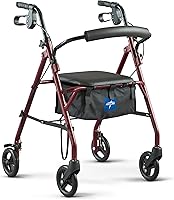
How to Use a Walker After Knee Replacement
To use a walker after knee replacement, stand tall, set the walker ahead, step with the operated leg first, then bring the other leg forward, and move slowly with short steps. Keep your weight through your arms, bend only as your care team allows, and sit to rest before you feel unsteady.
On this page (9 sections)
- What height should a walker be after knee replacement?
- How do you stand up with a walker after knee replacement?
- How do you walk forward with a walker step by step?
- How do you turn, back up and move sideways safely?
- How do you go up and down stairs with a walker?
- How do you sit down and get up from a chair, bed and toilet?
- When is a cane better than a walker after knee replacement?
- How do you care for a walker and stay safe at home?
- When should you call your care team about walker use after knee replacement?
To use a walker after knee replacement, stand tall, set the walker ahead, step with the operated leg first, then bring the other leg forward, and move slowly with short steps. Keep your weight through your arms, bend only as your care team allows, and sit to rest before you feel unsteady.
This guide explains how to use a walker after knee replacement from the first stand to stairs, turns and daily tasks. It follows the general pattern your physical therapist will teach, and it does not replace their instructions for your knee, pain limits or weight bearing.
What height should a walker be after knee replacement?
Set the walker so the top of the frame sits at the crease of your wrist when you stand tall. Your elbows should bend a little, not lock, and your shoulders should stay down and back.
Stand in the shoes you will wear at home. Ask someone to check that both rear legs touch the floor at the same time, with no wobble on tile, carpet or a mat.
Too high a walker lifts your shoulders and makes you lean forward. Too low forces you to bend at the waist and puts more load on the new knee as you step.
Adjust one side at a time and lock any folding or height buttons fully before you put weight through the frame. Recheck the height when you change shoes, as a small change in footwear can alter your arm angle by an inch.
Our guide to types of walkers for disabled explains standard, rollator and specialty frames, so you can match the style to your home layout.
How do you stand up with a walker after knee replacement?
Roll or slide to the front edge of the chair and plant both feet flat. Place the walker directly in front of you, with all four legs on the floor and the frame facing forward.
Hold both handles, press through your arms, and push up in one smooth motion. Keep your operated leg in the position your therapist taught, usually supported and not twisted.
Pause once upright. Check that the walker is stable, your feet are set, and you feel balanced before you take a step.
If you need to turn while standing, take small steps and pivot the walker with your hands. Do not twist the operated leg to turn your body.
Sit in reverse order. Back up until your legs touch the chair, keep the walker in front of you, hold both handles, and lower yourself slowly with control.
A sturdy chair with arms helps more than a soft sofa or low stool. Place it against a wall so it does not slide back as you push up.
How do you walk forward with a walker step by step?
Move the walker forward 6 to 12 inches, then step toward it with the operated leg. Bring the other leg forward to meet it, as your therapist directs.
Keep short steps and look ahead, not down at your feet. Put weight through your arms and hands, and let the walker carry part of your balance.
Breathe out as you push up and step. Tension in your shoulders often means the walker is too high or you are rushing.
Walk in a straight line in a clear hallway first. Defer thresholds, rugs and cords until you can move without catching the front legs.
Stop and sit if pain rises sharply, you feel dizzy, or your pattern breaks down. Fatigue changes your gait long before you notice it.
How do you turn, back up and move sideways safely?
Turn in steps, not in one twist. Move the walker a little to the side, step toward it with the operated leg, then bring the other leg around.
For a full turn, use a wide arc in open space. Keep the walker between you and the direction of travel, and pause after each small move.
Backing up is rarely needed. Walk forward to a point where you can turn, rather than shuffling backward with a frame that can catch.
Side steps should be small and rarely used. Move the walker with you, keep feet close, and hold both handles for each step.
If a rollator has wheels and brakes, lock the brakes before you sit or stand. A standard walker has no brakes, so it must stay flat and still for support.
Test turns first with a person nearby. Wear the shoes you will wear at home, and clear the floor of tripping hazards.
How do you go up and down stairs with a walker?
Use the handrail plus the walker on stairs, exactly as your therapist shows you. Your care team may teach a different order for your surgery, so follow their plan over any general guide.
On the way up, the non-operated leg usually leads, then the walker and operated leg follow. On the way down, the walker and operated leg usually lead, then the other leg follows.
Hold the rail with one hand and a walker handle with the other. Move one step at a time and pause on each landing.
Do not carry items in your hands on stairs. Use pockets, a bag hung from the walker, or ask someone to carry things for you.
Our comparison of upright walker vs rollator helps you see why wheels and brakes change stair technique and indoor control.
How do you sit down and get up from a chair, bed and toilet?
Use a firm chair with arms at a height that lets your knees bend to your allowed limit. Back up to it, keep the walker in front, and lower yourself with your arms.
For a bed, sit on the edge first with feet flat and the walker close. Swing your legs together in one motion, as trained, and stand using the handles, not the bedding.
For a toilet, a raised seat or toilet safety frame can reduce knee bend. Move the walker to the side where you can reach it when you stand, and keep a shower chair and hand held shower nearby if your therapist recommends them.
Do not use a low, soft sofa or a stool without arms in the early weeks. They make standing harder and can force deep knee bend.
A tray or basket can keep essentials at arm height. See best walker trays for rolling folding walker and best walker basket for folding walker for non slip and storage options that fit many frames.
When is a cane better than a walker after knee replacement?
A cane gives less support than a walker, so it is usually a later step in recovery. Your care team may suggest it when you walk steadily and no longer need two hands for balance.
The HurryCane Freedom Edition Foldable Walking Cane is a single point aid with a T handle. It suits people who have progressed beyond a walker and need light balance help indoors or outdoors.
Its height range of 30.5 to 37.5 inches and weight of 16 ounces make it easy to carry and store. It folds to 13.7 inches for travel and stands on its own when you need both hands.
HurryCane says the SteadiGrip base and WhisperFlex pivoting design support balance and ease of movement. The aluminum shaft and rubber handle keep the frame light and simple to grip.
That design suits short trips and times when a walker is more than you need. It does not replace a walker in the early days, on stairs, or when you feel unsteady.
Our guide on walker vs cane explains the support difference, and best walker to use after knee replacement helps you choose a frame for the walker stage.
How do you care for a walker and stay safe at home?
Check legs, feet, glides and joints before each use. Tighten loose bolts, replace worn rubber feet, and clean the handles with a damp cloth.
Keep the walker on dry, level floors. Wipe wet legs after use, and store it folded or upright where it will not fall across a walkway.
Clear cords, rugs, boxes and pet toys from your path. Add night lights in the hallway and bathroom, and keep a phone within reach when you sit to rest.
Wear firm, low heeled shoes with non slip soles. Avoid socks alone, loose slippers and shoes with worn tread on tile or wood.
Ask for help with meals, laundry and shopping in the first weeks. Keep the walker outside the wet area in the shower so it stays dry and stable.
If your surgery was on the hip side, the same careful pattern applies. Read how to use a walker after hip replacement and compare frames in best walker to use after hip replacement.
When should you call your care team about walker use after knee replacement?
Call your surgeon or therapist if you have a fall, new sharp pain, swelling that grows fast, fever, calf pain, or trouble bending or straightening the knee within your limits.
Also call if the walker feels unstable, a leg will not lock, or you cannot stand without help. Note when the problem happens, what you were doing, and what helped.
Bring your walker to appointments. Your therapist can check height, gait and stair technique in person and adjust your program.
Keep a short log of distance, stairs and pain for the first weeks. That record helps your team decide when to reduce support or add exercises.
In short, how to use a walker after knee replacement comes down to height, order and pace. Set the frame to your wrist, move it forward before each step, and pause before you need to.
Use a cane only when your care team says you are ready, and keep the walker for stairs, fatigue and crowded spaces. That staged approach protects the knee while you rebuild strength.
Frequently asked questions
How long should you use a walker after knee replacement?
Use it for as long as your surgeon or physical therapist directs, often through the first weeks while strength and balance return. Your care team will lower support step by step, sometimes to a cane, when your gait, pain and knee motion meet their checks.
Which leg goes first when you stand up with a walker?
Move to the front edge of the chair, press through your arms, and stand while keeping the operated leg supported as your therapist taught you. Bring the walker fully forward before you take a step, and check your balance before moving.
Can you use a cane instead of a walker after knee replacement?
A cane gives less support than a walker, so it is usually a later step, not an early swap. Your care team may suggest a cane when you can walk with a steady pattern and no help from a person.