How to Choose Manual Wheelchair Power Attachments
The right manual wheelchair power attachment depends on your chair’s frame, the drive style you can control, and where you plan to use it. Check compatibility with your exact wheelchair and get help assessing fit and handling before you buy.
On this page (8 sections)
- What types of manual wheelchair power attachments are available?
- How do you check whether an attachment fits your chair?
- Which controls and handling features should you compare?
- How will the attachment affect folding and transport?
- What routes and surfaces should you plan for?
- What should you ask a mobility professional?
- Which manual wheelchair should you start with?
- How do you choose the right power attachment?
A manual wheelchair power attachment adds powered drive to some manual chairs, but the right choice depends on frame compatibility, controls, and the routes you use. Confirm fit for your exact chair and consider how the attachment changes turning, stopping, folding and transport.
Power attachments can help reduce the effort of self-propelling or make longer trips more manageable. They do not fit every chair, and an attachment that works well for one person may not suit another.
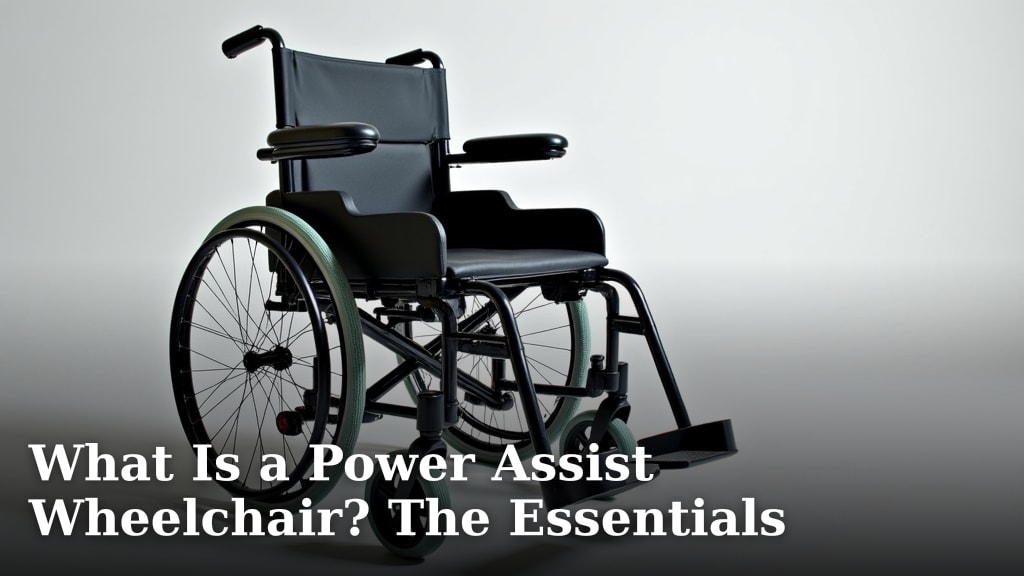
Start with the kind of help you want: extra push while you propel, a motor that drives the chair, or a different way to move altogether. Our guide to [What Is a Power Assist Wheelchair?
The Essentials](/what-is-a-power-assist-wheelchair/) explains how power assist works.
What types of manual wheelchair power attachments are available?
Manual wheelchair power attachments generally add power at the wheels or connect a powered drive unit to the chair. The control method and how the power reaches the chair matter more than the product label.
Names and designs vary by maker, so compare the actual setup and compatibility requirements.
| Drive style | How it helps | Questions to check |
|---|---|---|
| Push assistance | Adds power in response to your push on the handrims | Does it match your propulsion style and hand control? |
| Powered wheel or hub | Adds a powered wheel or motor to the wheelchair | How does it affect width, turning and removal? |
| Front-mounted drive | Connects a powered unit at the front of the chair | How does it change the chair’s length, steering and turning space? |
| Joystick-controlled drive | Uses a separate control to drive the chair | Can you reach and operate the controls comfortably and reliably? |
A push-assist setup may feel closer to self-propelling because you still use your hands to guide the chair. A joystick system may reduce the need to push the handrims, but it calls for comfortable, reliable use of its controls.
A front-mounted electric motor attachment for a wheelchair can change the chair’s footprint and steering. Ask for the combined dimensions and turning requirements, especially if you use narrow doorways or tight indoor spaces.
How do you check whether an attachment fits your chair?
Check compatibility using the wheelchair’s exact make, model and configuration. A general match by chair type is not enough because frame shape, axle position, wheel size and accessories can affect the fit.
Write down the chair’s brand and model, then note any changes such as a different seat, wheels, brakes or anti-tip devices. Send those details to the attachment maker or a mobility supplier and ask for written confirmation that the setup is supported.
Ask these questions before buying:
- Does this electric wheelchair motor attachment fit my exact chair model?
- Does it need a particular frame, axle, wheel or brake setup?
- Will the chair still fold, and does anything need to be removed first?
- Does the attachment change the chair’s width, length or turning space?
- Can it be installed and adjusted by a qualified supplier?
- What maintenance, battery care and charging steps does the maker require?
Do not assume a clamp or adapter makes an unsupported combination safe. If the answer about fit is unclear, pause the purchase and have a mobility professional assess the chair and attachment together.
If you’re still comparing chair styles, see Types of Manual Wheelchairs: A Helpful Guide for an overview of common manual designs.
Which controls and handling features should you compare?
Choose controls you can operate comfortably and predictably, then consider how power changes the chair’s movement. You need a setup you can start, steer and stop in the places you actually go.
For push assistance, ask how the system responds to your push and whether you can still guide the chair with the handrims. For a joystick, check reach, grip, direction controls and how easily you can stop or change direction.
Handling can feel different when an attachment changes the chair’s weight, wheel arrangement or length. Ask a supplier to explain what changes when turning, moving across a slope, crossing a threshold or stopping on a ramp.
If possible, arrange an assessment or demonstration in a safe setting before deciding. Practice starting, stopping, turning and moving through a doorway under professional guidance, then consider whether the controls and chair movement suit your usual routes.
A manual wheelchair with power assist still depends on the fit between you, the chair and the attachment. Ask how the setup affects your posture, hand access, transfers and ability to move the chair when power is off.
How will the attachment affect folding and transport?
Check how the complete setup stores and travels before you buy. An attachment can change the chair’s folded size, lifting demands or loading process.
Ask whether the unit stays attached while the chair folds, or whether you must remove it first. Find out how the detached parts are carried and stored, and whether you can manage them without help.
Measure your usual storage space and vehicle opening. Compare those measurements with the complete setup, including any parts that need to travel separately.
Think through everyday handling as well as car travel. Check whether the attachment blocks access to the brakes, footrests or transfer space, and whether you can reach its controls while seated.
For a chair that needs help with transport but not powered drive, compare the task with a transport chair. The Drive Medical Folding Transport Wheelchair has a folding frame, 8-inch wheels, padded armrests and swing-away footrests. {{product B002VWK4AQ | A folding transport chair with swing-away footrests for trips where a caregiver assists with mobility.}}
The Medline Lightweight Foldable Transport Wheelchair with Handbrakes has hand brakes, rear-wheel locking brakes and 12-inch rear wheels. {{product B007WA1ZG4 | A foldable transport chair with hand brakes and larger rear wheels for caregiver-assisted trips.}}
These are transport chairs, not power attachments or self-propelled power-assist systems. Compare them only if your goal is assisted transport rather than adding powered drive to your own manual wheelchair.
What routes and surfaces should you plan for?
Match the drive system to the places you use it most. Doorways, ramps, uneven ground and crowded spaces can call for different control and handling choices.
Make a short list of your regular routes: indoor turns, entrances, slopes, pavement and longer outdoor trips. Ask the attachment maker which surfaces and conditions the system is designed for, and how it behaves when the battery is low or power is unavailable.
A powered unit may change how much space you need to turn or approach a doorway. Try to assess your narrowest route and most difficult turn with the complete chair setup.
Consider who else may handle the chair. A caregiver may need to push, steer, fold or load it, so discuss those tasks before choosing an attachment that changes the chair’s controls or shape.
If your main goal is to propel a manual chair yourself, read What Is a Self Propelled Wheelchair? What’s Involved and compare it with best manual wheelchairs for adults.
If a pedal-driven design is what you have in mind, our guide to wheelchair with pedals covers that separate option.
What should you ask a mobility professional?
Ask a mobility professional to review fit, controls and daily tasks with you. That review can help identify practical issues before you commit to an attachment.
Bring your chair details and describe what you want the attachment to make easier. Mention your usual routes, transfers, vehicle storage and who helps with the chair.
Useful questions include:
- Is this attachment approved for my exact wheelchair configuration?
- How will it change my posture, access to the wheels and transfer space?
- Can I operate its controls and stop it reliably?
- What happens if the battery runs down or the system stops?
- What training, setup and maintenance does the maker recommend?
- Can the chair and attachment fit in my vehicle or storage area?
A professional can also help you compare a power attachment with a power wheelchair. See Power Wheelchair vs Manual Wheelchair: What It Involves if you’re weighing those broader options.
Which manual wheelchair should you start with?
Start with a chair that fits your body and intended use, then check whether an attachment maker supports that exact model. A manual chair that is easy to fold or transport may still be unsuitable for a particular drive unit.
The Drive Medical Blue Streak Lightweight Wheelchair is a manual folding chair with swing-away footrests, flip-back desk arms and push-to-lock brakes. {{product B002VWK1TA | A folding manual wheelchair with swing-away footrests and flip-back desk arms to consider when comparing chair styles.}}
Its features alone do not confirm that any power attachment will fit. Get compatibility checked for the exact configuration before treating it as a base for powered drive.
For chairs designed around different needs, you can also compare best reclining wheelchairs for adults and best bariatric manual wheelchair. A chair’s category or weight capacity does not confirm attachment compatibility.
How do you choose the right power attachment?
Choose the attachment only after confirming fit, control access, handling and transport for your routine. If any of those points remain unclear, get an assessment before buying.
Use this decision rule:
- Pick push assistance if you want powered help while continuing to propel and guide the chair.
- Consider a powered wheel or hub if the attachment maker supports your chair and its changed handling suits your routes.
- Compare a front-mounted drive if you have room for its added length and can manage the steering and controls.
- Consider a joystick-controlled setup if you can operate it comfortably and have checked turning, stopping and transport needs.
- Compare a power wheelchair if an attachment does not meet your mobility or control needs.
The best manual wheelchair power attachments are the ones confirmed to fit your chair and manageable in your real surroundings. Start with the compatibility check, then ask a qualified professional to help assess controls and practice the setup.
Frequently asked questions
Can you add a power attachment to any manual wheelchair?
No. A power attachment must fit the wheelchair’s frame and meet the attachment maker’s compatibility requirements.
Check your chair’s exact make, model and configuration with the maker or a mobility supplier, and ask how the attachment affects folding, transport, turning and braking before you order.
What is the difference between a power assist and a power wheelchair?
A power assist adds powered drive to a manual wheelchair, while a power wheelchair is built as a powered chair. The right choice depends on your mobility needs, chair fit, controls and usual routes.
Compare both options with a clinician or mobility specialist if you are unsure.
Do power attachments make a wheelchair harder to transport?
They can change how a manual chair folds, lifts, stores or fits in a vehicle. Ask whether the attachment stays on the chair, needs removal for transport, and how much extra space or lifting it requires.
Check your vehicle’s loading setup before choosing.
Can a power attachment be used outdoors?
Some attachments are intended for outdoor use, but surfaces, slopes, weather limits and stopping behavior vary by system. Check the maker’s approved use and practice in a safe area with a qualified professional before using an unfamiliar setup on public routes.