Walker Glides vs Tennis Balls: Which Should You Choose? (November 2026)
Pick glide skis for smooth sliding and tennis balls for soft grip and low cost. In walker glides vs tennis balls, the best choice depends on your floors, your walker legs, and how often you are willing to replace or refit the glide.
On this page (12 sections)
- Walker glides vs tennis balls at a glance
- Sliding performance: smooth glide or added grip?
- Floor protection for wood, tile, and carpet
- Attachment: no tools or cut to fit?
- Replacement needs and long term wear
- Cost and value over time
- Safety and control when you stand and turn
- Who should buy glide skis?
- Who should buy tennis balls?
- A walker with wheels as another option
- Setup and care tips for either glide
- Walker glides vs tennis balls: final verdict
Pick glide skis for smooth sliding and tennis balls for soft grip and low cost. In walker glides vs tennis balls, the best choice depends on your floors, your walker legs, and how often you are willing to replace or refit the glide.
Glide skis move with less drag and fit with no tools on the right leg size. Tennis balls add grip, cost little, and are easy to replace when the felt wears down.
This guide compares sliding, floor protection, attachment, and replacement needs. It also includes a walker with wheels for readers who want a full walker option, not just a glide.
 Best for walker with wheels
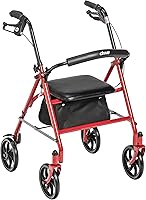
Drive Medical Two-Button Folding Walker with Wheels

Walker glides vs tennis balls at a glance
Glide skis give you the smoothest glide, while tennis balls give you the most grip. Use the table below to match each option to your floor and your walker.
| Point | Glide skis | Tennis balls |
|---|---|---|
| Sliding feel | Smooth, low drag | Slower, more grip |
| Floor care | Easy to clean, safe for wood | Soft felt, but traps dirt |
| Fitting | No tools, needs 1 1/8 inch legs | Cut to fit, needs hand work |
| Replacement | Longer lasting plastic | Replace often as felt wears |
| Best surface | Wood, tile, smooth indoor floors | Slick floors where you need control |
Our score weighs specs, features and buyer feedback against what you are shopping for. A glide that fits your legs and floors will score higher than one that only looks better in a photo.
If you are still choosing the walker itself, start with our types of walkers for disabled guide. The glide choice makes more sense after you know if you have a standard walker, a wheeled walker, or a rollator.
Sliding performance: smooth glide or added grip?
Choose glide skis if you want your walker to move forward with less effort. Choose tennis balls if you need the rear legs to resist sliding on slick floors.
The NOVA ski is made of POM thermoplastic and is shaped to reduce friction. NOVA says it glides over door jams and small barriers.
That shape helps when a doorway strip or rug edge tries to catch a standard glide.
Tennis ball felt works the other way. The felt grips, so the walker tends to stay put when you shift weight.
That grip can feel safer when you stand up, sit down, or turn in a small space.
Our score for the WILSON balls is 9.6, reflecting the 12 ball pack and extra duty felt for a soft glide with grip. Our score for the Penn balls is 9.3, with a 36 ball count for many replacements and extra duty felt for abrasive floors.
If lagging rear legs slow you down, skis may help. If rear legs slide too fast, tennis balls may help.
Floor protection for wood, tile, and carpet
Both options can protect floors, but they protect them in different ways. Skis protect with a hard, smooth plastic base.
Tennis balls protect with a soft felt layer.
NOVA says its skis are safe for wood floors and easy to clean. A smooth plastic base does not trap grit the way felt can.
You can wipe it clean with a damp cloth.
Tennis balls also protect wood when they are clean. The felt spreads pressure and keeps metal legs off the floor.
The risk is dirt, sand, or moisture held in the felt. Our best walker glides for hardwood floors guide explains why clean, smooth glides matter on polished wood.
Check your glides often and replace them when they pick up grit.
On carpet, tennis balls can drag on low pile carpet because the felt grabs fibers. Glide skis often slide more cleanly on carpet, though thick carpet can still slow any walker.
On tile, grip matters more. Tennis balls tend to hold better on slick tile.
Skis move more freely, so test your balance before you use them on wet or polished tile.
Attachment: no tools or cut to fit?
Glide skis are faster to fit if your leg size matches. Tennis balls are more flexible if you do not mind cutting and fitting them by hand.
The NOVA skis fit folding walkers with a 1 1/8 inch tube shaft. NOVA says they install in minutes with no tools.
You slip the ski over the metal tube and push it into place.
That fit is the main limit. If your rear legs are a different diameter, the ski may not fit.
Measure the legs with a tape or caliper before you order.
Tennis balls fit by cutting a slit and pulling the ball over the leg. You can trim the ball to match the leg diameter.
A snug fit matters, since a loose ball can twist or fall off.
Our best walker tennis balls guide covers sizing and fitting cuts. Take your time with the first fit, since a firm ball will glide more evenly.
Cleaning the leg before fitting also helps. Wipe off dust and moisture so the glide seats well and does not trap grit.
Replacement needs and long term wear
Tennis balls are cheaper to replace, while glide skis usually last longer between changes. Your floor and your daily use will set the real replacement pace.
Felt wears down with use. Outdoor use, grit, and rough concrete wear felt fast.
When the felt becomes thin or flat, the metal leg can start to touch the floor.
Extra duty felt helps with abrasion. The WILSON balls use Dura-Weave felt and an extra duty rating.
The Penn balls also use extra duty felt for hard court surfaces.
Glide skis wear more slowly on smooth indoor floors. POM plastic is made for strength and durability, according to NOVA.
Still, check the bottom for cracks, deep grooves, or uneven wear.
Our best replacement glides for walkers guide helps you match a replacement to your walker. Keep a spare set in a drawer so a worn glide does not stop your daily routine.
Store spare tennis balls in a dry place. Moisture can change the felt and make the balls less clean on floors.
Store skis flat and dry so the base stays smooth.
Cost and value over time
Tennis balls win on upfront cost, while glide skis can win on time saved. The best value depends on how many legs you need to cover and how fast your glides wear.
A 4 can pack gives you 12 WILSON balls. That count covers a standard walker with spares left over.
You can replace one worn ball without buying a full new pack for a single leg.
The Penn pack gives you 36 balls. That count suits a household that uses glides every day or uses them on outdoor surfaces.
It also suits a caregiver who wants spares in more than one room.
Glide skis come as one pair. That pair covers the two rear legs of a standard folding walker.
You pay for a fitted plastic part, not for a large count of balls.
Value is not only cost per glide. Time also counts.
Cutting and fitting balls takes time, while skis fit in minutes. If you hate fiddly fitting, skis may feel worth the extra cost.
Safety and control when you stand and turn
Tennis balls help when you need more control, and glide skis help when you need easier forward motion. Neither glide fixes poor walker setup or weak balance.
When you stand from a chair, your walker should not slide away. A grippy tennis ball can help with that first shift.
A slick ski can move more than you expect on polished floors.
When you walk, the opposite can happen. A grippy ball can drag and slow each step.
A ski can keep the rear legs moving with less effort.
Learn how to use a walker correctly before you change glides. Correct height, hand position, and step pattern matter as much as the glide material.
Ask a clinician or physical therapist if you have frequent falls or new weakness. A glide change is a small part of a safe mobility plan.
Test a new glide in a safe area first. Walk a short hallway, turn in a wide space, and stand from a chair before you use the glide on stairs or outdoors.
Who should buy glide skis?
Buy glide skis if you use a folding walker on smooth indoor floors and want easy sliding. They suit readers who want a clean, low drag glide with no cutting.
The NOVA skis suit wood, tile, and smooth indoor surfaces. They also suit readers who want to cross low door jams without the glide catching.
The no tool fitting suits readers with limited hand strength.
Our best walker ski glides guide lists more ski options and fit notes. Use it if you want to compare ski shapes before you choose one pair.
Measure your rear legs first. The NOVA pair fits 1 1/8 inch tubes.
If your walker uses a different size, tennis balls may be the simpler path.
Glide skis also suit readers who dislike the look and feel of tennis balls. The plastic base is easier to clean and does not hold the same odor or moisture as felt.
Skip skis if you need maximum grip on slick tile. A smooth plastic base will move more freely than felt.
In that case, tennis balls or a different floor plan may be safer.
Who should buy tennis balls?
Buy tennis balls if you want more grip, low cost, and flexibility in fit. They suit readers who do not mind cutting each ball and replacing them as felt wears.
The WILSON pack suits readers who want 12 balls for a standard walker. The Penn pack suits readers who want 36 balls for longer term spares.
Both use extra duty felt for abrasive use.
Tennis balls also suit walkers with nonstandard leg sizes. You cut the ball to fit the leg you have.
That flexibility helps when a ski would not match your tube diameter.
Clean them often. Shake off dust, wash them when needed, and let them dry fully.
Replace a ball when the felt is thin, flat, or soaked with grit.
Skip tennis balls if you use the walker mostly outdoors on rough concrete. Felt will wear fast and pick up dirt.
A hard plastic glide or a wheeled walker may suit that use better.
A walker with wheels as another option
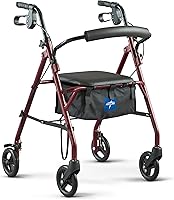
A wheeled walker can reduce sliding effort in a different way than a glide. The Drive Medical walker uses front wheels and rear glide caps for forward motion plus rear sliding.
This walker has 5 inch front wheels and rear glide caps. It is height adjustable and supports up to 350 lb.
The frame is aluminum and weighs 7.5 pounds.
The two push-button releases help you fold it with fingers, palms, or the side of the hand. That folding design helps readers with limited grip strength or dexterity.
Ergonomic hand grips add comfort during longer use.
The walker measures 33.5 x 22 x 4 inches when folded for storage. That folded size helps in a car trunk or a small closet.
The 5 inch wheels help on carpet, tile, and some outdoor surfaces.
Our best 4 wheel walkers guide covers another walker style with seats and brakes. A standard wheeled walker is different from a rollator, so compare turning space and storage before you choose.
If you use a rollator instead, learn walking with a rollator before you buy glides. Rollators use wheels and brakes, so rear glides play a smaller role.
Setup and care tips for either glide
Fit the glide snug, keep it clean, and check it before each week of use. Good care keeps both plastic and felt glides safe on floors.
Start by cleaning the rear legs. Remove dust, tape residue, or old glue.
A clean leg helps the glide sit straight and stay in place.
For skis, push the ski on until it seats fully. Twist it slightly to check that it does not wobble.
Walk a few steps in a safe indoor area.
For tennis balls, cut a slit that is long enough to fit over the leg. Pull the ball on and trim extra felt so the base sits flat.
A loose ball will twist and wear unevenly.
Check glides for wear each week. Look for thin felt, cracked plastic, or a base that no longer sits flat.
Replace a glide when the leg starts to touch the floor.
Keep outdoor grit off indoor glides. If you use the walker outside, wipe the glides before you come back inside.
That habit protects wood floors and keeps felt cleaner.
Walker glides vs tennis balls: final verdict
Pick skis for smooth motion and pick tennis balls for grip and fit flexibility. Your floors and leg size should make the final call for you.
Pick the NOVA skis if your rear legs measure 1 1/8 inch and you walk on wood or tile. Pick WILSON or Penn tennis balls if you need grip, a custom cut, or low cost spares.
Our score for the Drive Medical walker is 9.7 because it combines wheels, rear glides, height adjustment, and a 350 lb capacity. That walker suits readers who want a full walker in one purchase.
Our score for the WILSON balls is 9.6, the NOVA skis score 9.5, and the Penn balls score 9.3. Those scores reflect fit, wear, and how well each option matches the choice.
Take one last check before you order. Measure your walker legs, note your main floor type, and decide if you want grip or glide.
That short check will point you to the right glide for your daily steps.
Frequently asked questions
Are walker glides better than tennis balls?
Glide skis are better when you want smooth, low drag sliding and easy cleaning. Tennis balls are better when you want more grip and a soft contact on slick floors.
Your floor type, leg size, and how often you replace the glide should decide the pick.
Can tennis balls damage hardwood floors?
Clean tennis balls usually protect hardwood by adding a soft felt layer. Dirt, moisture, or grit trapped in the felt can scratch or dull the finish.
Wash or replace balls often, and avoid using dirty balls on polished wood.
Do glide skis fit all walkers?
No. The NOVA skis in this guide fit folding walkers with a 1 1/8 inch tube shaft.
Measure the rear legs before you order.
Tennis balls are more flexible because you cut them to fit, but they still need a firm, snug fit.
How often should you replace walker glides?
Replace tennis balls when the felt is thin, flat, or dirty. Replace glide skis when the bottom is worn, cracked, or no longer slides evenly.
Check both types often, since a worn glide can catch, squeak, or slow your step.