How to Choose an Electric Wheelchair for a Child
The right electric wheelchair for a child must fit the child's body, daily routes and control ability. Compare seat sizing, joystick access, growth adjustments, caregiver support and transport needs before choosing.
On this page (10 sections)
- What should you measure before choosing an electric wheelchair for a child?
- How does a child control an electric wheelchair?
- What growth adjustments matter in electric wheelchairs for kids?
- How should caregivers evaluate home and school access?
- Which seating features support daily use?
- What should you know about motors, batteries and terrain?
- Which accessories can help caregivers at home?
- How can you compare electric wheelchair brands and models?
- What is the safest way to plan the purchase?
- Final decision rule for an electric wheelchair for kids
The right electric wheelchair for kids fits the child's body, driving ability and daily environment. Start with pediatric measurements, then compare control access, growth adjustments, caregiver support and transport requirements.
A child may need a power chair for school, home, community trips or all three. The best choice depends on where the chair will go and how independently the child can operate it.
What should you measure before choosing an electric wheelchair for a child?
Measure the child's seat width, seat depth, lower-leg length, back height and arm position before comparing models. These measurements help you avoid a chair that is too wide, too deep or difficult to control.
The child should sit in a stable position with enough support to operate the controls. A chair that is too large can make the joystick harder to reach and may reduce safe body support.
Ask a pediatric seating professional to assess:
- Seat width from hip to hip, with suitable clearance
- Seat depth from the back of the pelvis toward the knees
- Foot support height and lower-leg position
- Back height and trunk support
- Arm support and joystick position
- Head support needs, if applicable
- Cushion and seating-system requirements
Do not use age as a substitute for measurements. Two children of the same age can need very different seating dimensions and control layouts.
For a broader overview of the buying process, read How to Choose an Electric Wheelchair? What to Expect.
How does a child control an electric wheelchair?
A child should be able to reach, move and release the control safely. A standard joystick may work well for one child, while another may need a different control position or a specialized input method.
Check whether the joystick can sit on the left or right side. The position should match the child's stronger and more reliable hand without forcing the shoulder into an awkward position.
Also compare:
- Joystick reach from the supported seating position
- Ability to release the control quickly
- Speed settings and caregiver control options
- Visual indicators and warning signals
- Access for a child with limited hand movement
- Protection from accidental contact
- Whether the child can learn the control pattern
A trial with an experienced therapist or seating specialist can reveal problems that measurements alone will miss. Watch how the child starts, stops, turns and responds when the route becomes crowded.
Some children may need caregiver control for safety in busy spaces. That does not mean the child cannot learn to drive.
It means the chair should support both developing independence and responsible supervision.
What growth adjustments matter in electric wheelchairs for kids?
The most useful growth adjustments are those that extend the fit without weakening support. Ask which seating dimensions can change and whether the adjustments are built into the chair or require replacement parts.
Useful areas to discuss include:
- Seat width
- Seat depth
- Footplate position
- Arm support height
- Back support height
- Joystick location
- Cushion size
- Trunk and head support
Growth planning should include more than the next few months. Ask how much adjustment remains and what happens when the child reaches the chair's limits.
A smaller chair may fit better today, while a larger chair may offer more adjustment. The right decision depends on the child's current posture, growth pattern and expected daily use.
Do not add loose padding to make an oversized chair feel smaller without professional guidance. Improvised changes can alter the child's position and control reach.
How should caregivers evaluate home and school access?
Caregivers should compare the chair with real routes, including doorways, hallways, ramps, classroom aisles and bathroom approaches. A chair that works in an open room may be difficult in a narrow home.
Measure the narrowest doorway and the tightest turn. Check floor transitions, thresholds and the space needed to approach a table or transfer surface.
Also consider:
- Where the chair will charge
- Whether an outlet is easy to reach
- How the chair enters a vehicle
- Storage space at home and school
- Outdoor surfaces and weather exposure
- Caregiver access to the controls
- Battery and service support
- The child's transfer routine
A caregiver may need to push, guide or supervise the chair at different times. Leave enough room for an adult to walk beside the child where supervision is required.
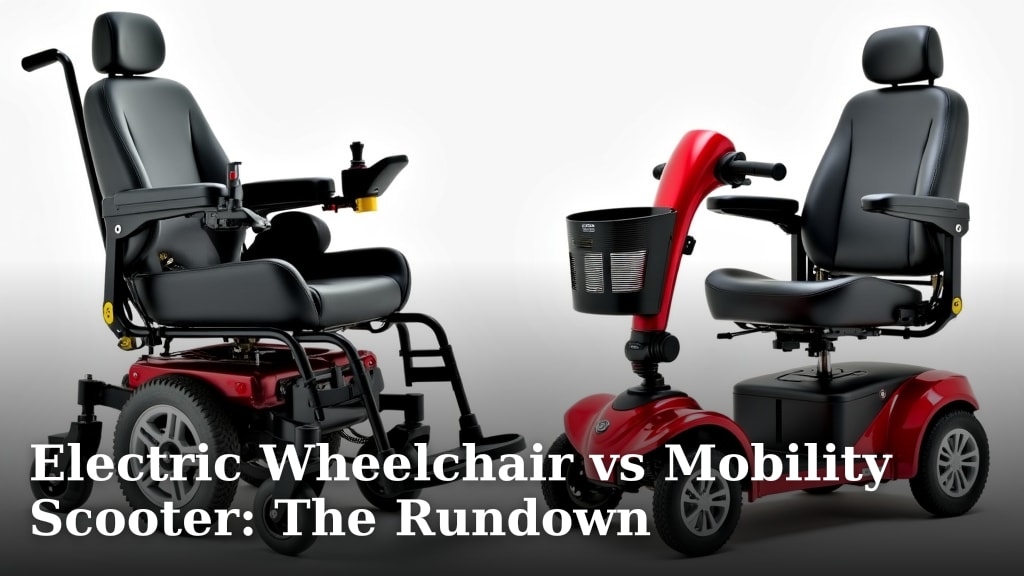
If you are comparing a power chair with another mobility option, see Electric Wheelchair vs Mobility Scooter: The Rundown. Scooters generally require different seating, steering and turning-space considerations.
Which seating features support daily use?
Choose seating that keeps the child stable, comfortable and able to reach the controls. A supportive position can make driving, eating, learning and communicating easier.
Consider the child's posture during a full school day, not just a short trip around the house. Ask how the seating system supports the pelvis, trunk, feet and head during movement and rest.
The chair may need adjustments for:
- Pelvic position
- Trunk stability
- Foot placement
- Arm support
- Head position
- Pressure management
- Transfers
- Communication access
Avoid making medical promises about any seating feature. If the child has ongoing pain, skin concerns or posture changes, ask the child's clinician or seating specialist for advice.
The chair should also leave enough room for clothing, braces and other equipment the child uses every day. Recheck the fit as the child grows or equipment changes.
What should you know about motors, batteries and terrain?
A motor moves the chair, but the complete drive system must match the child's routes and supervision plan. Compare the chair's operating information for indoor turns, outdoor surfaces, slopes and charging needs.
Ask the supplier about:
- Motor and drive configuration
- Battery type and charging routine
- Turning space
- Maximum user weight
- Approved slopes and surfaces
- Service access
- Transport weight and breakdown options
- Weather limitations
Do not choose a chair only because it has a powerful motor. A larger drive system may affect turning space, transport and indoor access.
For a plain explanation of the component itself, read What Is an Electric Wheelchair Motor? The Plain Facts.
If you are comparing drive layouts, What Is a 4 Wheel Electric Wheelchair? What Really Matters may help clarify the trade-offs.
Which accessories can help caregivers at home?
Accessories should solve a specific daily problem, such as reaching a compatible power recliner control or replacing a worn joystick part. They should not be treated as substitutes for a properly fitted pediatric wheelchair.
This handset is for compatible recliners and lift chairs, not a universal electric wheelchair controller. Its 4 or 6 button options and 5-pin connection make compatibility checking essential, and the information advises troubleshooting the motor before buying.
No assembly is required.
This remote may help a caregiver operate a compatible lift chair or power recliner from an accessible position. It supports 1 device, has 2 buttons, and measures 6 x 1.8 x 1 in.
Confirm the 5-pin connection and device match before ordering.
This accessory is more directly related to an electric wheelchair joystick, but compatibility still matters. The package includes 1 joystick knob and 1 joystick gaiter made of silicone rubber, with installation described as requiring no other special tools.
The BIAQI part may suit a caregiver who needs a replacement control component for one of the compatible controller families. It does not replace the joystick electronics or prove compatibility with every pediatric power chair.
How can you compare electric wheelchair brands and models?
Compare models by fit, control access, service support and daily routes, not by appearance alone. A familiar brand name matters less if the chair cannot be adjusted for the child or supported locally.
Check the chair's seat measurements against the child's assessment. Then confirm the joystick position, speed control, caregiver access and growth range.
Ask the supplier:
- Which seating measurements can be adjusted?
- What is the maximum user weight?
- Which control options are available?
- Can the chair be used indoors and outdoors?
- How does it fit the family's vehicle?
- Who handles repairs and adjustments?
- What maintenance does the caregiver perform?
- Which parts are replaceable?
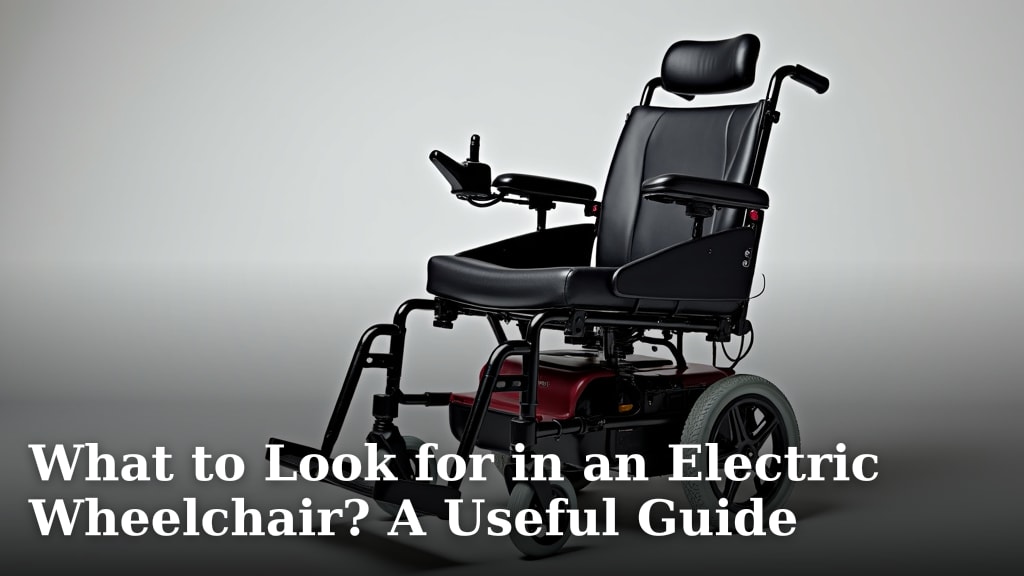
If you are considering Jazzy models, compare the options in Best Jazzy Electric Wheelchairs. For a wider checklist, read [What to Look for in an Electric Wheelchair?
A Useful Guide](/what-to-look-for-in-an-electric-wheelchair/).
What is the safest way to plan the purchase?
The safest plan is to start with a professional seating assessment and a real route check. Bring the child's measurements, current mobility needs, school requirements and caregiver concerns to the evaluation.
Ask for a demonstration that includes:
- Starting and stopping
- Tight turns
- Doorway access
- Reaching the joystick
- Releasing the control
- Outdoor transitions
- Caregiver override or supervision
- Transfers and parking
Write down the chair's measurements and compare them with the home, school and vehicle. Keep the supplier's service contact information where caregivers can find it.
A child may gain new driving skills over time, so leave room for learning. The chair should support today's needs while offering a clear plan for adjustments and supervision.
Final decision rule for an electric wheelchair for kids
Choose an electric wheelchair for kids when the chair can be fitted to the child's body, controlled safely and supported through growth. Pick the model that matches real routes, caregiver supervision, transport and service access.
Start with pediatric measurements, then confirm control access and growth adjustments. Accessories can help with compatible seating or joystick parts, but they cannot replace a complete seating and mobility assessment.
Frequently asked questions
What size electric wheelchair is right for a child?
Choose a wheelchair that supports the child's current seat width, seat depth, back height and lower-leg length without creating pressure points or unsafe gaps. A pediatric seating professional can help measure the child and plan adjustments as the child grows.
Do not choose by age alone.
Can a child control an electric wheelchair?
Some children can drive an electric wheelchair with a standard joystick, while others may need a different control position, reduced speed or an alternative input. The control should match the child's motor skills, vision, attention and ability to release the control safely.
How do electric wheelchairs for kids handle growth?
Growth adjustments may include changes to seat depth, seat width, foot support and back support, depending on the chair design. Ask which parts can be adjusted and how much room remains before the chair no longer fits.
A chair that cannot keep pace may cost more to replace.
What should caregivers check before buying an electric wheelchair for kids?
Caregivers should check doorway width, turning space, vehicle transport, charging access, indoor and outdoor routes, control supervision and maintenance support. Also confirm the child can transfer safely and that the chair's seating system supports the child's posture without relying on loose cushions or improvised padding.