Shower Chair vs Tub Transfer Bench: Which Fits Your Bath? (November 2026)
Choose a shower chair to sit inside the bathing area; choose a tub transfer bench when you need a seat that spans the tub rim. The right fit depends on how you enter, the space around the tub and the support you need while seated.
On this page (8 sections)
- Shower chair vs tub transfer bench: how do they differ?
- Which option fits your bathroom layout?
- How do support and sitting needs affect the choice?
- What should you measure before buying?
- How do you keep water in the tub with a transfer bench?
- Can grab bars be used with either seat?
- How should you use a tub transfer bench?
- Which should you choose: a shower chair or transfer bench?
Choose a shower chair to sit inside the bathing area; choose a tub transfer bench when you need a seat that spans the tub rim. The shower chair vs tub transfer bench decision depends on how you enter, the room you have and where you need a seat.
A shower chair stays inside the tub or shower. A transfer bench places part of its seat outside the tub, so you can sit down before moving across the rim.
Measure the bathing space and think through each step of entry before choosing. The seat that fits your bathroom is useful only if you can get to it and use it safely.
 Best for sliding over the tub rim
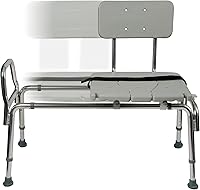
Drive Medical Tub Transfer Bench for Bathtub
 Best for added capacity
Medline Transfer Bench for Bathtubs and Showers
Shower chair vs tub transfer bench: how do they differ?
A shower chair is an inside seat; a transfer bench spans the tub edge. That layout difference affects entry, floor space and how you move into position.
With a shower chair, you enter the tub or shower, then sit on the seat. It can work in a tub or a walk-in shower if the chair fits and its feet rest securely.
A tub transfer bench has a seat that extends across the rim. You sit on the outer part, then move onto the part inside the tub while seated.
Which suits your entry routine?
A shower chair suits you if stepping into the bathing area is manageable and you need a seat once you're inside. The chair doesn't bridge the tub rim.
A transfer bench suits you if stepping over a high tub wall is difficult and a seated transfer is more practical. The bench can support that movement, but it still takes room beside the tub.
If you need help deciding whether a bench fits your bathing setup, start with what a tub transfer bench is. The shape and placement matter as much as the name.
Which option fits your bathroom layout?
Choose the seat that fits both the bathing area and the space where you need to get ready. Measure before you shop, including the area outside the tub.
A shower chair occupies space inside the tub or shower. Check its width and depth against the floor area, and account for faucets, drain placement and any sloped surfaces.
A transfer bench needs floor space on the outside as well as room inside the tub. Measure the tub's height and width, the available space beside it and the path you use to enter the bathroom.
Look at the full route from the bathroom doorway to the seat. A tight turn, vanity edge or toilet may limit where a bench can sit.
Can a chair fit in a narrow tub?
It can fit if its footprint works with the tub floor and leaves enough room to bathe. Compare the chair's seat dimensions with the usable flat area, not just the tub's overall width.
An inside chair can be easier to place than a bench when the area beside the tub is limited. It still needs a stable position, and you need a way to enter the tub.
Does a transfer bench need extra floor space?
Yes, the bench's outside legs and seat need room beside the tub. Check whether the bench would block a door, drawer, toilet or the path through the bathroom.
Some benches have adjustable legs or a reversible backrest, but those features don't make every bench fit every tub. The best tub transfer benches for seniors guide can help you compare layouts and features.
How do support and sitting needs affect the choice?
Choose a chair or bench with the back, handles and seat position that match your needs. Compare those features with the movements you can manage, and ask a qualified health professional or caregiver for help if the safest setup is unclear.
A shower chair may offer a backrest or arms, depending on the model. These can provide contact points while sitting, but they don't create a transfer path across the tub rim.
Transfer benches commonly use a backrest and may include an arm. Check which side the backrest and arm occupy, and whether that arrangement works with your tub and the way you approach the seat.
Which products span the tub rim?
The Drive Medical Tub Transfer Bench for Bathtub is designed for a seated slide across the tub edge, with a supportive backrest and height adjustment in 0.5 in increments.
The Medline Transfer Bench for Bathtubs and Showers has a reversible backrest, a side arm and a stated capacity of 400 lb. Check the seat and overall dimensions against your tub and available floor area.
Which products stay inside the bathing area?
Dr. Kay's Shower Chair for Inside has built-in side handles and adjustable height from 14.5 to 19.5 in.
Its design stays inside the tub or shower instead of extending over the rim.
HOMLAND Shower Chair for Inside Shower has a 17 in seat width and legs that adjust from 14 to 19 in. Measure the usable floor space before choosing it.
What should you measure before buying?
Measure the tub or shower floor, rim height and clear floor space beside it. Use those numbers to rule out seats that can't sit in a workable position.
For a shower chair, measure the flat area where all legs would rest. Check the seat height range against your preferred sitting position and make sure the chair won't interfere with the faucet or shower controls.
For a transfer bench, measure the tub rim and the floor space outside it. Check the bench's total width and leg positions, along with whether the backrest can be placed on the side your layout requires.
Also consider who will assist, if anyone, and whether there is room for that person to stand nearby. A bench can take up more floor space, while an inside chair requires entry into the bathing area before sitting.
How do you keep water in the tub with a transfer bench?
Arrange the curtain so water falls inside the tub and the bench doesn't trap it outside. The portion of the seat that crosses the rim can affect where the curtain hangs.
A curtain may need to sit between the bench's seat sections or follow another arrangement that keeps the inside portion of the bench within the tub. Check that the curtain doesn't snag or block your transfer.
See the guide to using a tub transfer bench with a shower curtain for practical placement ideas. Keep the floor outside the tub as dry as possible.
Can grab bars be used with either seat?
Grab bars can add a handhold near either seat, but they don't replace the seat or transfer support. Their position and installation need to suit the wall and the movement you make.
Plan where you'll reach before choosing a bar location. A bar should be within reach when you need it, without forcing you to twist or lean from the seat.
Our bathroom safety buying guide explains what to consider when choosing grab bars. If a bar is loose or damaged, don't rely on it for support until it's addressed.
How should you use a tub transfer bench?
Follow the bench instructions and get help with the transfer if you aren't sure you can do it safely. Move slowly, keep the seat and floor clear, and don't use the bench as a grab bar.
A typical seated transfer involves sitting on the outside section, then moving across the seat into the tub. The exact steps depend on the bench, your ability and any guidance from a clinician or caregiver.
Read how to use a tub transfer bench before the first use. Check that the bench is positioned as directed and doesn't rock before sitting.
If your bathing routine also calls for a bedside commode, see how to use a bedside commode chair for a separate setup and safe-use guidance. A commode chair has a different purpose from a shower seat.
Which should you choose: a shower chair or transfer bench?
Choose a shower chair if you can enter the bathing area and need a seat inside; choose a transfer bench if you need to sit before crossing the tub rim. Then confirm that the seat fits your bathroom measurements and support needs.
An inside shower chair may suit a walk-in shower or a tub you can enter safely. A transfer bench may suit a bathtub when stepping over the wall is the main barrier and there is floor space beside it.
If you're choosing between the two, decide where you need to sit first: before entry or after entry. For a transfer bench, review bathtub grab bar replacement if your existing bar needs attention, and address installation before relying on it.
Frequently asked questions
What is the difference between a shower chair and a tub transfer bench?
A shower chair sits fully inside the tub or shower, while a tub transfer bench has a seat that extends across the tub rim. The bench can support a seated transfer over the edge; a chair is for someone who can enter the bathing area and sit down there.
Can you use a shower chair in a bathtub?
Yes, if the chair fits inside the tub and its feet sit securely on the tub floor. Measure the flat area and check the chair's footprint and height range.
A chair doesn't provide a seat outside the tub for sliding across the rim.
Does a tub transfer bench work with a shower curtain?
A transfer bench can work with a curtain, but the curtain needs to pass over or around the part of the seat inside the tub. Check the bench and curtain arrangement before use so water drains into the tub and the curtain doesn't interfere with seating.
Do grab bars replace a transfer bench or shower chair?
Grab bars provide handholds, while a chair or bench provides a place to sit. They serve different purposes, and a grab bar shouldn't be treated as a seat or a substitute for the transfer support someone needs.
Follow installation instructions and get help choosing a safe setup.