Shower Chair vs Shower Bench: Which Fits Your Shower? (November 2026)
Choose a shower chair for a freestanding seat inside the shower, or a transfer bench when you need to sit before moving across a tub wall. The right shower chair vs shower bench choice depends on your shower layout, transfer needs and the support you want.
On this page (9 sections)
- Shower chair vs shower bench: what is the main difference?
- Which seat matches your bathroom layout?
- Which design gives you the support you want?
- What if a chair or bench does not fit?
- How do the four seats compare?
- Which product fits each shower setup?
- How should you set up shower seating?
- What other bathroom equipment might help?
- Shower chair vs shower bench: which should you choose?
Choose a shower chair for a seat inside the shower, or a transfer bench if you need to sit before moving across a tub wall. The shower chair vs shower bench decision depends on how you enter the bathing area, how much room you have and what support you want while seated.
For a direct comparison, read shower chair vs tub transfer bench.
An individual chair stays within the shower or tub. A transfer bench stretches across the tub edge, giving you a place to sit before moving over the wall.
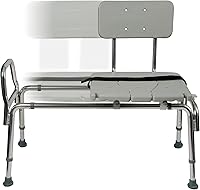
The Drive Medical bench is built for that transfer pattern. The Vaunn, Dr.
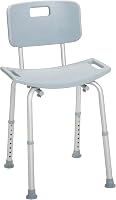
Kay's and HOMLAND seats are individual chairs for use inside a shower or tub.

 Best for crossing a tub wall seated
Drive Medical Tub Transfer Bench for Bathtub
Shower chair vs shower bench: what is the main difference?
A shower chair is a seat with legs; a transfer bench is long enough to span the side of a bathtub. Think about how you get into the bathing space before comparing seat features.
A chair can give you a stable place to sit once you are inside. You still need to enter the shower or tub before reaching the seat.
A transfer bench lets you sit outside the tub, then slide across the edge. That can reduce the need to step over a high tub wall, but the bench needs floor space on both sides.
For curtain placement around the seat, see transfer bench curtain tips.
The word “bench” can describe several types of seating. Some benches are simple seats for inside a shower, while a transfer bench crosses the tub wall.
Check the shape and purpose rather than relying on the product name alone.
When does a bench help with tub entry?
A transfer bench is the more relevant choice when sitting down before crossing a tub wall is part of your transfer plan. The Drive Medical bench has a slide-style seat and a backrest for bathing in a bathtub.
Its legs can be adjusted in half-inch increments. Suction cup feet and drainage openings are also listed features, but the feet still need to rest on suitable surfaces.
Measure from the bathroom floor to the inside of the tub, then check the available room beside the tub. A bench may not fit a narrow bathroom if its legs need clear space outside the tub.
When does an individual chair fit better?
An individual chair fits the choice when you can enter the shower and need a seat within it. It takes up less length than a bench spanning a tub edge, though its width and leg placement still matter.
The Vaunn chair measures 16.5 in deep by 20 in wide overall. Its padded armrests and removable back give you options, while the adjustable legs let you change the seat height.
A smaller seat can work in a tighter shower, but it may give you less room to shift position. Measure the floor and leave space to move around the seat.
Which seat matches your bathroom layout?
Match the seat to the floor area where its legs will stand, including space to enter and leave. A chair and a transfer bench need different clearances.
For a walk-in shower, measure the usable floor, not just the shower pan's outside dimensions. Include the door swing, controls, drain and any fixed shelves that affect placement.
For a bathtub, check the inside floor for a chair. If you are considering a transfer bench, measure both the tub interior and the space outside it.
A bench crosses the tub edge, so its legs must sit on both sides. A narrow vanity, toilet or wall can block that setup even when the bench itself appears to fit the tub.
What should you measure before buying?
Measure the seat area, the route into the bathroom and the space needed to sit down. Use the assembled dimensions and follow the product's instructions for placement.
Check the width and depth where the legs will rest. Make sure the feet can sit flat and that the seat won't block the shower door or controls.
For a bench, check the height of the tub wall and how far the seat must reach across it. Don't assume every bench works with every tub shape.
If the shower is shared, consider where the seat will be stored between uses. A lightweight chair may be easier to move, while a longer bench needs more storage space.
Which design gives you the support you want?
Choose features around how you sit, shift and stand. A swivel shower chair may help when turning toward the controls is part of the routine.
A back, armrests and handles can change how you approach the seat and how much room it needs.
A backrest can give you a surface to lean against while seated. Armrests may provide places to hold during a position change, but they can make it harder to approach from the side.
Compare chairs with arms and back support to review those features.
The Vaunn chair has padded armrests and a removable back. Dr.
Kay's has built-in side handles, and the Drive bench has a backrest.
No feature replaces a safe transfer plan. If you need help getting on or off a seat, discuss the setup with a clinician or occupational therapist who can assess your bathroom and movement.
The complete bathroom safety guide covers grab bars and other changes that may support safer movement around a bathing area. See where to place bathtub grab bars for placement guidance.
A grab bar should be placed and installed for its intended use.
Should you choose a padded or hard seat?
Choose the seat surface that feels comfortable and is easy for you to clean and maintain. The Dr.
Kay's chair has a padded seat with drainage holes; the Vaunn seat is made from HDPE.
A padded seat may feel different from molded plastic, but compare its dimensions and cleaning instructions before deciding. Keep drainage openings clear and follow the care directions for the specific chair.
If comfort is your main concern, compare several options in our guide to the best shower chairs for seniors. Focus on seat dimensions, support features and fit in your shower.
What if a chair or bench does not fit?
A shower stool may be an option when a backrest and arms aren't needed and a smaller seat suits the space. Stools are another style of shower seating, so compare their footprint and stability features with your needs.
A stool can have fewer parts around the seat, which may make it easier to position in a small shower. It also provides less back and arm support than a chair with those features.
Our shower chair vs shower stool comparison explains how the two seat styles differ. Measure your shower before choosing either one.
If getting into the tub is the main difficulty, changing from a chair to a stool may not address the transfer itself. Consider a transfer bench or get an individualized assessment of the bathroom setup.
How do the four seats compare?
The Vaunn and Dr. Kay's models are individual chairs with support features, while the Drive Medical model is the tub transfer bench.
The HOMLAND chair offers a wider seat and an adjustable height range.
| Seat | Type | Notable fit details |
|---|---|---|
| Vaunn Medical Deluxe Spa Shower Chair | Individual chair | Padded armrests, removable back, adjustable legs |
| Drive Medical Tub Transfer Bench for Bathtub | Transfer bench | Spans tub edge; adjusts in 0.5 in increments |
| Dr. Kay's Dr Kay's Shower Chair for Inside | Individual chair | Padded seat, side handles, adjustable height |
| HOMLAND Shower Chair for Inside Shower | Individual chair | 17 in wide seat, adjustable from 14 to 19 in |
The Vaunn has the broadest set of back and arm options in this group. Its stated maximum weight recommendation is 350 lb, so use that figure when checking fit for the intended user.
The Drive bench is the only transfer bench here. It supports up to 350 lb and has a sit-and-slide design for bathtub entry.
Dr. Kay's has side handles and a padded seat, with an adjustable height range.
Check the assembled height before choosing a chair for a particular tub or shower.
HOMLAND gives a 17 in seat width and a stated maximum weight recommendation of 400 lb, while recommending a user weight of 300 lb. Follow the lower user recommendation when evaluating this chair.
Which product fits each shower setup?
Choose based on the transfer, dimensions and support features you need. Confirm the exact measurements and weight guidance for the intended user before ordering.
Vaunn Medical Deluxe Spa Shower Chair
The Vaunn is an individual chair with a high-density polyethylene seat and aluminum frame. Its armrests are padded and removable, and the back support can also be removed.
Use the seat dimensions to check whether it fits your shower floor. It does not span a tub wall, so it won't provide the sit-and-slide entry that a transfer bench is designed for.
Drive Medical Tub Transfer Bench for Bathtub
This bench suits a bathtub setup where stepping over the wall is a concern. Its adjustable legs move in half-inch increments, and the backrest gives you a place to lean while seated.
Measure the tub and the floor area beside it before choosing this style. It supports up to 350 lb, and the feet need to sit securely on the floor.
Dr. Kay's Dr Kay's Shower Chair for Inside
Dr. Kay's chair has an aluminum frame, drainage holes and a padded seat.
It is height adjustable and assembles without tools.
The height figures differ between the feature descriptions, so check the adjustment range for the exact model before choosing a seat height. This chair sits inside the bathing area rather than spanning a tub wall.
HOMLAND Shower Chair for Inside Shower
HOMLAND's chair has an aluminum frame, rubber feet and height adjustment from 14 to 19 in. The brand states a maximum weight recommendation of 400 lb and recommends a user weight of 300 lb.
Use the 300 lb user recommendation when deciding whether it is suitable. It is an individual chair, so it won't help you sit outside a tub and slide across its wall.
How should you set up shower seating?
Follow the instructions for the exact seat and confirm that each foot rests securely before use. A chair or bench should not rock, slide or obstruct your route.
Place the seat on a clean, level surface. Check that the legs are set evenly and that any adjustable locks or fittings are secure.
For a transfer bench, check the legs on both sides of the tub. Keep the seat aligned with your planned transfer route and follow the instructions for the bench's orientation.
Keep soap, towels and shower controls within reach from the seated position. Avoid leaning far across the seat or reaching for items that are outside your stable range.
Our guide on how to use a shower chair correctly explains basic positioning and setup checks. Ask a health professional for help if your transfer needs are changing or you feel unsteady.
What other bathroom equipment might help?
Choose bathroom equipment for the specific transfer or reach problem you need to address. A shower seat supports seated bathing, while other aids serve different tasks.
A raised toilet seat can change how far you need to lower yourself when using the toilet. See our guide to best raised toilet seats for seniors if toilet transfers are also difficult.
A bath lift serves a different purpose from a shower chair or transfer bench. Our bath lifts guide covers options for lowering into and rising from a bathtub.
A drop-arm commode can help with toileting and certain transfers. Learn what a drop-arm commode is before deciding whether that equipment matches your bathroom needs.
Shower chair vs shower bench: which should you choose?
Choose an individual shower chair if you can enter the bathing area and need a seat inside it; choose a transfer bench if you need to sit before moving across a tub wall. Then match the seat size, height and support features to your bathroom and transfer plan.
The Vaunn adds a back and padded armrests, while Dr. Kay's has a padded seat and side handles.
HOMLAND offers a wider seat, and the Drive Medical bench is the choice here for crossing a tub edge while seated.
If the shower chair vs shower bench choice still feels unclear, measure your bathing area and ask a clinician or occupational therapist to review the transfer you plan to make. Their guidance can help you choose equipment that fits both the bathroom and your movement.
Frequently asked questions
Is a shower chair the same as a shower bench?
Not always. A shower chair usually sits entirely inside the shower and has a seat with legs, often with a back or arms.
A transfer bench is longer and extends across the tub wall so you can sit outside the tub and slide over the edge.
Check the product shape and intended use before buying.
Can you use a shower chair in a bathtub?
A shower chair may fit inside a bathtub if its feet sit securely on the tub floor and it leaves room to move. Measure the inside floor and compare it with the chair's footprint.
A transfer bench is designed to span the edge when stepping over the tub wall is difficult.
Who should use a tub transfer bench?
A tub transfer bench may suit someone who needs to sit before crossing a bathtub wall. It extends across the edge, allowing a sit-and-slide transfer.
The bathroom layout, transfer method and help available all matter, so ask a health professional or occupational therapist if you need guidance for your situation.
Do shower chairs need to have a back and arms?
No. A back and arms are options that may help with positioning and support, but they take up space and may affect how you move onto the seat.
Compare the seat size, arm placement and shower clearance with the way you plan to sit and stand.
How do you choose between a shower chair and bench?
Choose an individual shower chair when you can enter the shower safely and need a seat within it. Choose a transfer bench when you need to sit outside a tub and move over its wall while seated.
Measure the bathroom and check weight guidance before choosing.