Can an Electric Wheelchair Also Work as a Walker?
An electric wheelchair can't work as a walker because you operate it while seated, and it moves under motor power. A walker supports you while you stand and take steps, so the two devices serve different mobility needs.
On this page (7 sections)
- Can an electric wheelchair also work as a walker?
- What does each device help you do?
- Can someone use both a walker and an electric wheelchair?
- How do you choose between a walker and a powered chair?
- Do recliner remotes or chair parts make a wheelchair work as a walker?
- What if you need support while transferring?
- Which option makes sense for your daily routine?
An electric wheelchair can't work as a walker because it supports you while seated and moves under motor power. A walker is a hand-held support for standing and taking steps, so each device serves a different mobility need.
Some people use both, depending on the distance and activity. Choosing between them starts with your balance, walking ability, and the places you need to travel.
Can an electric wheelchair also work as a walker?
No, a standard electric wheelchair doesn't convert into a walker. Its seat, drive system, wheels, and controls are designed for powered seated mobility, not for supporting you as you stand and walk.
A joystick may let you steer the chair, but it doesn't provide the hand support a walker offers. Don't hold onto a moving wheelchair to use it as a walking aid.
A walker also can't offer the same powered travel as a chair. You push or lift a walker as you step, and that takes standing balance and enough strength to manage the device.
What does each device help you do?
An electric wheelchair helps you travel while seated; a walker helps support walking while standing. The choice depends on what you can do safely and comfortably in each setting.
An electric chair can be useful for longer routes, fatigue, or places where walking is hard. A walker may help with short trips when you can stand and take steps but want hand support.
A rollator is a type of walker with wheels and hand brakes, often with a seat for resting. For a closer look at designs, read our guide to types of walkers for disabled people.
Can someone use both a walker and an electric wheelchair?
Yes, some people use both devices for different activities. For example, a person might use a walker for brief supported movement at home and an electric wheelchair for longer outings.
Switching between devices involves standing, sitting, and possibly transferring. Ask a physical or occupational therapist, clinician, or mobility specialist to help assess your transfers and the space where you'll use each device.
Keep the walker within reach before standing, and park the wheelchair securely before transferring. Follow the chair's instructions and ask for help if a transfer feels unsteady.
How do you choose between a walker and a powered chair?
Choose based on whether you can walk safely, how far you need to go, and how much support you need. A walker requires you to stand and move your feet; an electric chair lets you travel while seated.
For powered options for older adults, compare electric wheelchairs for seniors.
Consider doorways, turning space, flooring, storage, and transport. The best device for a short indoor route may differ from what works for a long trip.
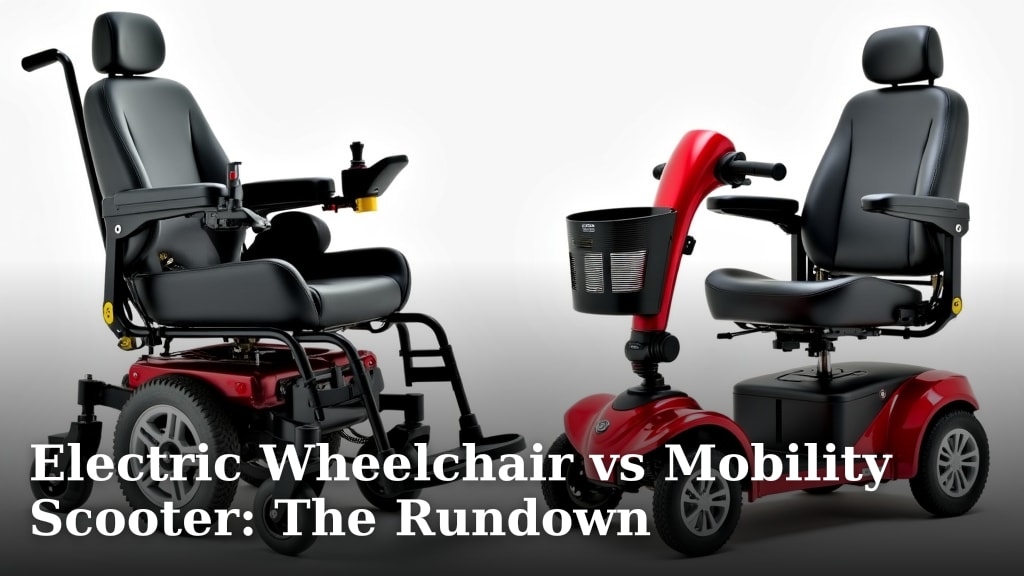
If you're comparing powered seating options, start with how to choose an electric wheelchair. For a comparison with another powered mobility option, see electric wheelchair vs mobility scooter.
What should you check before using an electric wheelchair?
Check that the chair's fit, controls, and intended use match your needs. A mobility professional can help review seat support, access to controls, transfers, and the environments where you'll travel.
If you are choosing for a child, see electric wheelchairs for children.
For joystick-controlled chairs, a replacement joystick knob and gaiter may be relevant if your controller uses a compatible PG Drives VSI, VR2, GC, or Remote Plus joystick. BIAQI's set includes one silicone rubber joystick knob and one gaiter.
This part doesn't turn a wheelchair into a walker or change how the chair is meant to be used. Confirm your controller model before choosing a replacement.
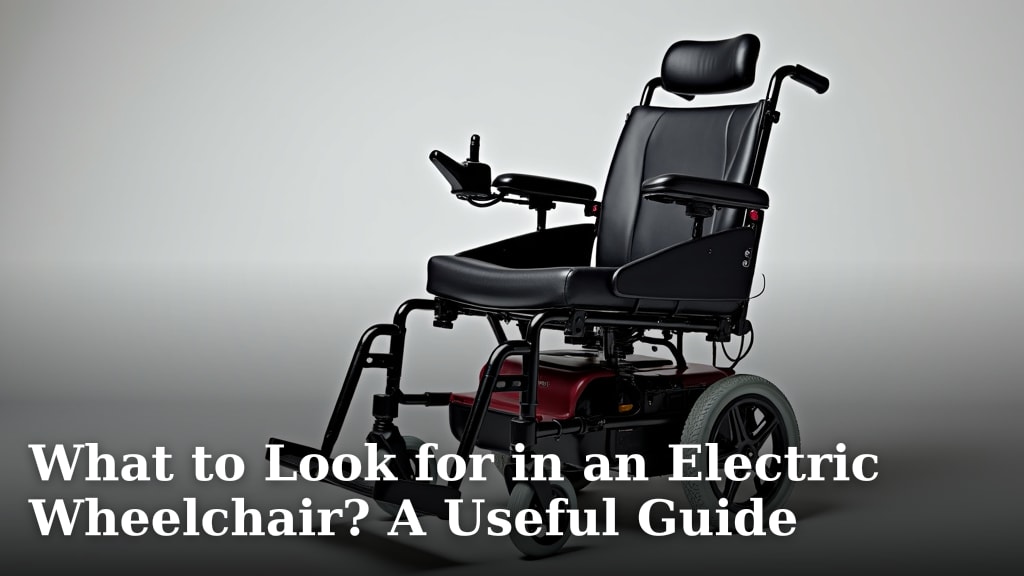
Our guide to what to look for in an electric wheelchair covers fit and features to consider. You can also read about the electric wheelchair motor and 4-wheel electric wheelchairs.
Do recliner remotes or chair parts make a wheelchair work as a walker?
No. Recliner hand controls and wheelchair joystick parts don't add walking support or convert a powered chair into a walker.
They serve specific functions with compatible seating or wheelchair components.
The Fromann hand control is described for power sofas and lift chairs, with a 5-pin connection and buttons that operate two motors. Check compatibility with your chair before considering it as a replacement control.
The Hommoat remote is also designed for compatible power lift chairs and power recliners with a 5-pin plug. Its 2 buttons are lighted, and its coiled cable stretches from 59 to 67 inches.
Neither remote is presented as an electric wheelchair control. Confirm the connection and device type before selecting any replacement part.
What if you need support while transferring?
A walker isn't a transfer lift, and an electric wheelchair doesn't automatically make transfers safe. Transfers require a plan suited to your strength, balance, and the height and position of the surfaces involved.
A caregiver may need training and suitable equipment for transfers. Our guide to patient lifts and Hoyer lifts explains how those terms relate, but a lift should be selected with professional guidance.
Don't pull on a joystick, armrest, or walker to lift yourself unless the device instructions and your care team say that method is safe. Ask for help if you feel unsteady or can't complete a transfer reliably.
Which option makes sense for your daily routine?
For choosing an electric wheelchair and walker, use a walker when you can safely stand and walk with hand support, and use a powered chair when seated travel better fits your needs. If you already have a manual chair, compare electric wheelchair conversion kits as another powered option.
Some people may benefit from both, with guidance on safe transfers and use.
If you need a powered chair, compare models based on fit, controls, and where you'll use it. Our guide to Best Jazzy Electric Wheelchairs covers one family of powered chairs.
Don't expect a wheelchair to act as a walking aid, or a walker to replace powered seated mobility. Pick the device for the activity you need to do, and ask a clinician or mobility specialist when walking or transfers feel unsafe.
Frequently asked questions
Can you use an electric wheelchair like a walker?
No. An electric wheelchair supports you while seated and moves with a motor, while a walker is held for balance during standing and walking.
A powered chair may help you get around when walking is difficult, but it doesn't provide the hand support or walking practice of a walker.
Is there a wheelchair that turns into a walker?
Some mobility devices may combine different functions, but don't assume a standard electric wheelchair converts into a walker. Check the exact design, instructions, and safe-use limits with the manufacturer or a mobility professional before relying on any combination device.
Can you use a walker and an electric wheelchair together?
Some people use both for different parts of a day, such as a walker for short supported steps and a wheelchair for longer distances. The right setup depends on your balance, strength, transfers, and surroundings, so ask a clinician or mobility specialist to assess how to switch safely.
What is the difference between an electric wheelchair and a rollator?
An electric wheelchair is a powered seated mobility device controlled with a joystick or other control. A rollator is a wheeled walking aid with handles and usually a seat, but you move it by walking.
Neither device automatically replaces the other.